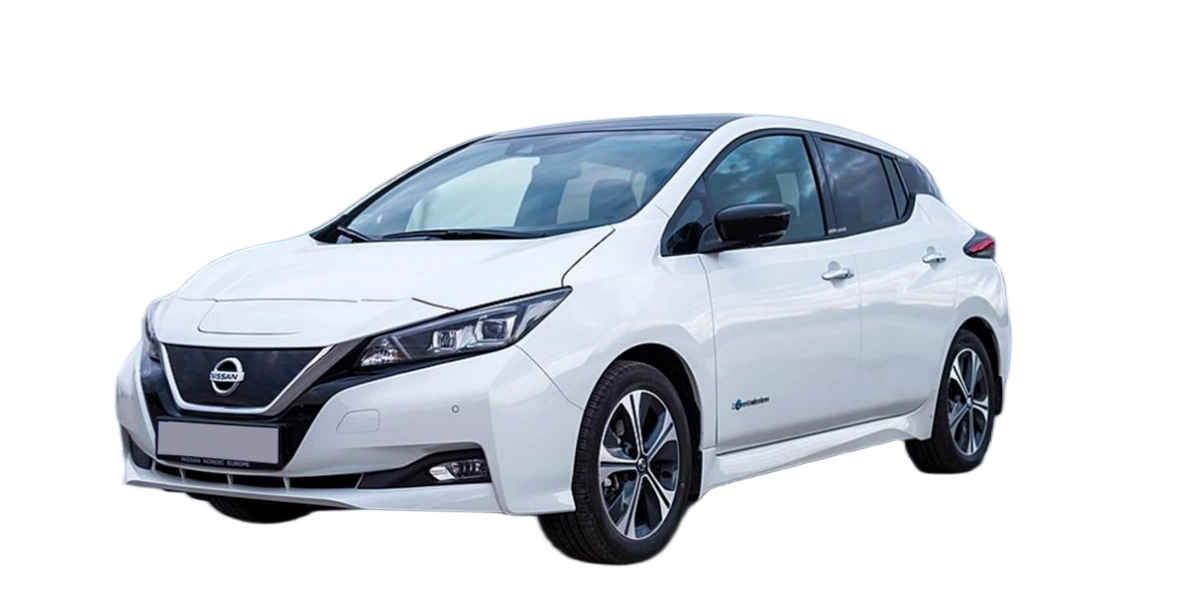
🛠️ The Ultimate DIY Guide: Building & Installing a New 30kWh Nissan Leaf Battery
If you own an early-generation Nissan Leaf (specifically the 2011-2012 models), you know the struggle is real. The original 24kWh battery pack simply doesn’t offer the range needed for modern commutes. While a brand-new 62kWh pack from the dealership can cost upwards of $16,000, there is a smarter, more affordable path: The DIY 30kWh Battery Upgrade.
As an expert in Nissan EV battery solutions, I have seen this specific modification become a favorite among the Leaf community. It strikes the perfect balance between cost, range, and complexity. This guide will walk you through exactly how to source the right components and install a brand-new 30kWh battery using high-quality, compatible modules.
🤔 Why Upgrade to a 30kWh Pack?
The stock 24kWh battery in the first-gen Leaf degrades quickly, often leaving owners with a usable capacity of just 18-20kWh after a few years. This translates to a frustratingly short range of about 60-70 miles.
By upgrading to a 30kWh pack, you are essentially installing a modern, high-density battery into a vintage chassis. This isn’t just a repair; it is a performance enhancement.
The Performance Difference
| Metric | Original 24kWh | Upgraded 30kWh | Result |
|---|---|---|---|
| Usable Capacity | ~20 kWh | ~27 kWh | 35% More Power |
| Real-World Range | ~60 Miles | ~90 Miles | Daily Commute Friendly |
| Cell Technology | Aging Lizard (AESC) | New CATL NMC | Zero Degradation |
🧩 Step 1: Sourcing the Right Components
Before you crack open the service manual, you need the right hardware. Do not attempt to cobble together random modules from scrapyards. For a 30kWh conversion, you need precision-engineered parts.
The Core Components You Need
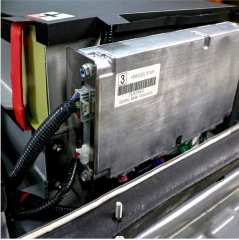
- Battery Modules: You will need a specific configuration of modules to hit the 30kWh target. This usually involves a mix of high-density modules that fit within the original Leaf housing without major modifications.
- Battery Management System (BMS): The stock BMS will not recognize new modules. You need a CANbus-compatible BMS that mimics the original factory signals.
- Wiring Harness: A custom harness ensures plug-and-play connectivity, eliminating the need for complex soldering or splicing.
Expert Tip: At CNS BATTERY, we specialize in these specific conversions. We offer pre-configured 30kWh solutions using brand-new CATL cells. These are not recycled or refurbished cells; they are the same high-grade cells used in modern EVs, ensuring your 10-year-old Leaf performs like new.
🔧 Step 2: The Installation Process (Plug & Play)
The beauty of the 30kWh upgrade is that it utilizes the existing Nissan Leaf battery tray. You do not need to modify the chassis.
Phase 1: The Removal
- Safety First: Disconnect the 12V battery and wait 10 minutes for the capacitors to discharge.
- Drain the Coolant: The Leaf battery uses a liquid cooling system. You must drain the coolant from the pack before removing the high-voltage connectors.
- Lift the Old Pack: Using a transmission jack, carefully remove the old 24kWh unit. This can be heavy, so ensure your jack is rated for at least 600 lbs.
Phase 2: The Installation
- Fit the New Modules: Place the new 30kWh modules into the tray. Because we use OEM-standard dimensions, they slide in perfectly.
- Connect the BMS: This is the most critical step. Connect the new BMS harness to the vehicle’s main harness. Our kits include a “programming dongle” that allows the car to recognize the new battery capacity instantly.
- Reconnect & Refill: Reconnect the high-voltage cables and refill the cooling system with fresh coolant (typically Nissan Super Long Life Coolant).
⚡ The “Instant Recognition” Technology
One of the biggest hurdles in DIY battery swaps is the software lockout. Nissan vehicles expect specific resistance values from the battery temperature sensors and specific voltage readings.
Our solution uses adaptive BMS technology. When you plug in the new battery, the BMS sends the exact resistance signals the car expects to see. There is no need for expensive tuners or visiting a dealership. The car sees a “brand new” factory battery.
💰 The Cost vs. Value Breakdown
Let’s talk about the economics. Why do this?
- Dealership Route: Buying a new 62kWh pack from a Nissan dealer often costs $12,000 – $16,000. This is often more than the car is worth.
- Scrapyard Route: Buying a used pack is risky. You are buying someone else’s degradation and potential swelling issues.
- DIY 30kWh Route: Building or buying a pre-built 30kWh pack with new cells costs roughly $4,000 – $6,000.
The Verdict: For less than half the price of a new pack, you get a car with 50% more range than stock, zero battery anxiety, and a 10-year lifespan ahead of you.
🛡️ Warranty & Peace of Mind
I cannot stress this enough: Do not buy cells without a warranty. Lithium-ion batteries are dangerous if manufactured poorly.
When you source your 30kWh core from a reputable manufacturer like CNS BATTERY, you get:
- 2-Year / 80,000 km Warranty: This covers defects and capacity loss.
- Lifetime Technical Support: If you get stuck on step 3 of the installation, you need someone to call. Our team offers video call support to guide you through the wiring.
📝 Conclusion: Revive Your Classic EV
Upgrading your Nissan Leaf to a 30kWh battery is no longer a fringe hobbyist project; it is a mainstream, cost-effective way to extend the life of a reliable vehicle. By using brand-new cells and a smart BMS, you bypass the limitations of the original 2010-era battery technology.
If you are ready to stop worrying about range and start enjoying your commute again, it is time to consider the upgrade.
Ready to get your custom quote? We can help you source the exact modules and BMS kit needed for your specific Leaf model year.
Get Your Free Custom Quote Now
❓ Frequently Asked Questions (FAQ)
Q1: Will the car’s dashboard show the correct range after the 30kWh upgrade?
Yes. The adaptive BMS we provide is programmed to report the State of Charge (SOC) in a way that is compatible with the Nissan Leaf’s Instrument Cluster. The GIDS (Green Leaf Indicator) system will function normally, and the estimated range display will be accurate.
Q2: Is the installation dangerous for a DIYer?
While high-voltage work always carries risk, the 30kWh upgrade is considered “moderate” difficulty. The key risks are short-circuiting the main cables or damaging the battery tray. If you are uncomfortable, we recommend using our network of certified mechanics. However, thousands of owners have successfully done this swap in their driveway using basic hand tools.
Q3: What kind of cells are used in the 30kWh pack?
We exclusively use brand-new CATL NMC (Nickel Manganese Cobalt) pouch cells. These are not salvaged or recycled cells. CATL is the world’s largest battery manufacturer, and their cells offer superior thermal stability and energy density compared to the old AESC cells found in early Leafs.
Q4: How long does the installation take?
For a professional mechanic, the swap takes approximately 3-4 hours. For a DIY owner with basic mechanical skills, it usually takes a full day (6-8 hours), including draining and refilling the coolant system and double-checking all connections.
Q5: Does this void any remaining factory warranties?
Since the 2011-2012 Nissan Leafs are well out of the original factory warranty period, this is generally not a concern. However, installing an aftermarket battery pack technically means the vehicle is no longer “stock.” Our packs come with their own 2-year warranty, which covers the battery system independently of the car.