
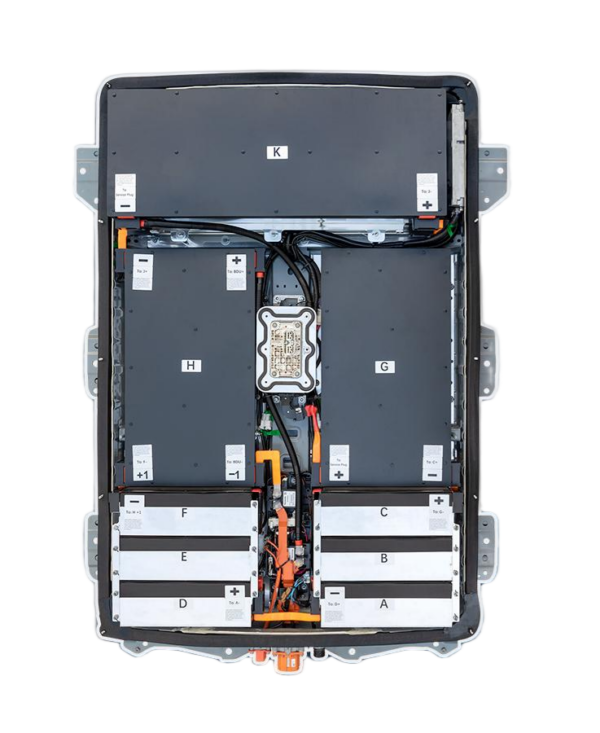
Nissan Leaf Battery Upgrade for Off-Grid Living
Living off the grid requires a unique blend of resilience and resourcefulness. Whether you are powering a remote cabin, an RV conversion, or simply seeking energy independence in your daily life, the Nissan Leaf offers a surprisingly powerful solution. However, standard EV batteries often lack the capacity needed for extended autonomy. If you are looking to upgrade your Nissan Leaf for serious off-grid living, this guide will walk you through the technical considerations and why a high-capacity replacement is essential.
Why the Nissan Leaf is the Ultimate Off-Grid Vehicle
The Nissan Leaf has become a cult favorite among off-grid enthusiasts, and for good reason. Unlike many modern EVs that rely on complex software to restrict access, the Leaf features a simple CHAdeMO port and a Battery Management System (BMS) that is relatively easy to interface with.
For those practicing “solar harvesting” or using a vehicle-to-grid (V2G) setup, the Leaf allows you to draw power directly from the traction battery. However, the stock battery packs (ranging from 24kWh to 40kWh in older models) deplete quickly when running household appliances or heaters. To truly thrive off the grid, you need to double or triple your energy storage.
The Technical Challenge of Off-Grid Power
When you are living in your vehicle or using it as a mobile power station, your energy demands shift dramatically:
- Appliances: Running a mini-fridge, a coffee maker, or a microwave requires sustained high current.
- Heating/Cooling: Climate control is not a luxury; it is a necessity for survival in extreme temperatures.
- Device Charging: Laptops, cameras, and communication devices need constant charging.
A standard degraded Leaf battery might only have 20-30 kWh of usable capacity left. For off-grid use, you need a fresh, high-capacity core. This is where upgrading to a 62kWh or even a custom high-voltage module becomes the backbone of your survival kit.
Choosing the Right Battery Upgrade for Your Setup
Not all battery upgrades are created equal, especially when your life depends on the power supply. Here is a breakdown of the options available for Nissan Leaf owners focused on off-grid resilience.
1. The Standard Upgrade: 40kWh to 62kWh
The most popular conversion path is moving from the older 24kWh or 40kWh packs to the 62kWh variant. This upgrade effectively doubles your range and off-grid runtime.
- Capacity: 62 kWh (Newer CATL cells)
- Voltage: Higher voltage platform (Compatible with Leaf ZE1/AZE0)
- Benefit: Provides enough juice to run a small cabin’s worth of electronics for days.
2. The Heavy-Duty Solution: Custom Modules
For those converting their Leaf into a “Powerwall on wheels,” standard packs might not be enough. Custom high-voltage modules allow you to bypass the standard chassis limitations.
- Flexibility: You can design a pack that fits specific space constraints.
- Cell Quality: Using brand new, Grade-A cells (such as those from CATL) ensures the battery won’t degrade after a few deep discharge cycles, which is common with refurbished units.
Key Features of a Reliable Off-Grid Battery
When selecting a battery for off-grid living, reliability is non-negotiable. You cannot afford a battery failure in a remote location. Here are the features you must look for in a replacement pack.
Robust Battery Management System (BMS)
Living off the grid means subjecting your battery to deep discharges. A standard BMS might shut down to protect the cells, leaving you in the dark. A premium replacement battery features a hardened BMS designed to handle:
- Deep cycling (frequent 0%-100% usage).
- Extreme temperature fluctuations.
- Vibration resistance for rough terrain access.
OEM-Level Physical Protection
Off-grid living often involves driving on unpaved roads or rough terrain. The battery casing must be as tough as the original factory design.
- Impact Resistance: The housing must protect against road debris and minor impacts.
- Thermal Management: Passive or active cooling to prevent thermal runaway when the battery is under constant load.
Compatibility with Your Vehicle Model
It is crucial to match the battery to your specific Leaf generation to avoid compatibility issues.
| Leaf Model | Compatible Upgrades | Best Use Case |
|---|---|---|
| Leaf ZE0 (2011-2017) | 40kWh, 62kWh (Retrofit) | Classic off-grid camper; requires adapter kits. |
| Leaf ZE1/AZE0 (2018+) | 40kWh, 62kWh, 80kWh | Modern setup; plug-and-play with factory BMS. |
| e-NV200 | 40kWh, 50kWh | Van life conversion; efficient city-to-wilderness travel. |
Why Cheap Refurbished Batteries Fail Off-Grid
Many off-grid seekers are tempted by cheap “refurbished” or “used” batteries found on online marketplaces. While the price tag is attractive, these are often a ticking time bomb for survivalists.
- Degraded Cells: Used batteries have already lost 20-40% of their capacity. When you need 10 kWh to survive a cold night, a degraded battery might only have 6 kWh left.
- Swelling and Failure: Old cells are prone to swelling under high load, which can break the internal connections.
- No Warranty: If a battery fails in the wilderness, there is no help desk. You need a 2-year / 80,000 km warranty for peace of mind.
Investing in a new, high-quality replacement using brand new CATL cells is the only way to guarantee that your power source will last through the winter or a long road trip.
Installation and Safety for the DIY Off-Gridder
Installing a new battery is a significant task, but for the off-grid community, it is often a rite of passage. Here are some pro tips for the installation process:
- Safety First: Always disconnect the 12V auxiliary battery before starting. Wear insulated gloves when handling the high-voltage terminals.
- Programming: Modern Leaf batteries require BMS programming. Ensure your supplier provides the necessary software support or remote guidance to sync the new battery with your dashboard.
- Physical Fit: If you are adding extra insulation for cold climates, ensure the battery pack fits securely without obstructing the undercarriage.
The installation typically takes 1-2 hours for a professional. If you are doing it yourself, follow the step-by-step video guides provided by the manufacturer to avoid damaging the sensitive electronics.
Powering Your Future
Upgrading your Nissan Leaf battery is not just about adding range; it is about securing your energy future. By replacing an old, degraded pack with a high-capacity, new-core solution, you transform your vehicle into a reliable fortress against the elements.
Whether you are a digital nomad, a survivalist, or simply someone who values energy independence, having a robust, high-voltage battery is the key to freedom.
Don’t let a weak battery limit your adventures. Secure your energy independence today.
Frequently Asked Questions
1. Can I install a larger battery in my older Nissan Leaf (ZE0)?
Yes, it is possible to upgrade older Leafs (ZE0) with newer 40kWh or 62kWh packs. However, this usually requires a retrofit kit and potentially some BMS recalibration to ensure the dashboard reads the correct state of charge. It is highly recommended to consult with a technical expert before purchasing to verify compatibility with your specific chassis.
2. How do I charge the battery when living off-grid?
You can charge using standard Level 1 (120V) or Level 2 (240V) chargers when connected to shore power. For true off-grid charging, you will need a solar generator or a portable solar setup that can plug into the Leaf’s CHAdeMO port for rapid charging, or the standard J1772 port for slower trickle charging.
3. Is it safe to discharge the battery to 0% when using it for camping?
While the Nissan Leaf allows deep discharging (down to 0%), it is not recommended for the long-term health of the battery. Most experts suggest limiting discharges to 10-15% to maximize the lifespan of the cells. Treating the battery with care ensures it will power your home for years to come.
4. What is the warranty on these off-grid upgrade batteries?
Premium replacement batteries designed for reliability come with a substantial warranty. Look for suppliers offering at least a 2-year / 80,000 km warranty that covers manufacturing defects and performance degradation. This ensures that if the battery fails while you are in a remote location, you have support.
