Here is the SEO-optimized article crafted for the Nissan Leaf Plus audience, designed to rank well and convert readers into customers.
Nissan Leaf Plus New Battery Cost Update: Affordable 2026 Solutions
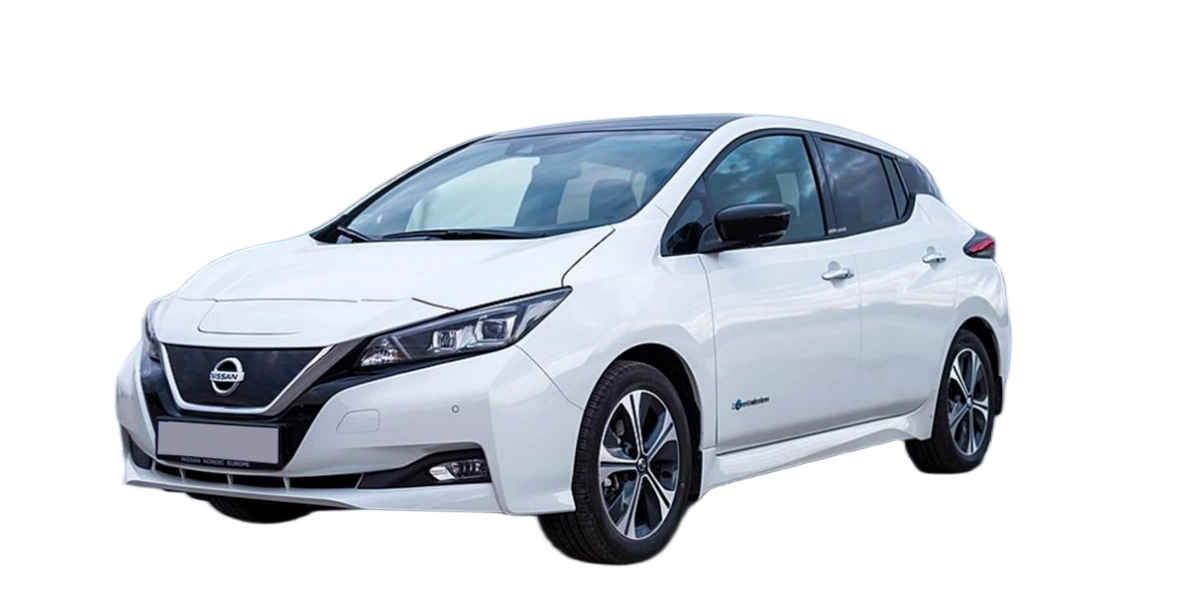
The “Leaf Plus” moniker usually refers to the Nissan Leaf models equipped with the larger 62 kWh battery pack (specifically the ZE1 chassis for 2018-2022 models). If you are the owner of a Leaf Plus, you likely enjoy the extended range compared to the standard 40 kWh models. However, as these vehicles age, the reality of battery degradation or potential failure sets in. The most common question we receive at CNS BATTERY is: “How much does it cost to replace a Nissan Leaf Plus battery in 2026?”
The short answer is that prices have dropped significantly compared to the early days of EVs. While a brand-new OEM (Original Equipment Manufacturer) replacement from a dealership can still cost upwards of $12,000 to $16,000, there are now high-quality, cost-effective alternatives available. In this 2026 update, we will break down the realistic costs, the hidden factors affecting your wallet, and why the market has shifted toward reliable aftermarket solutions like those offered by CNS.
Why the Nissan Leaf Plus (62 kWh) Battery is Unique
Before diving into the price tags, it is crucial to understand the hardware you are dealing with. The Leaf Plus 62 kWh battery pack is physically larger and heavier than the 40 kWh version. It utilizes NCM (Nickel Manganese Cobalt) chemistry, which is known for its high energy density and longevity when managed correctly.
Unlike the older Leaf models that used AESC (Automotive Energy Supply Corporation) cells, many modern replacements and the core technology in our solutions utilize brand-new CATL (Contemporary Amperex Technology Co. Limited) cells. CATL is the world’s largest battery manufacturer and supplies cells to Tesla, BMW, and Volvo. Using these cells ensures that you are not just buying “recycled” old junkyard batteries, but a truly new powertrain component.
The True Cost of a New Leaf Plus Battery in 2026
The cost of a new battery is not just a sticker price; it involves logistics, installation, and warranty coverage. Let’s compare the current market landscape.
1. The OEM (Dealership) Route: Premium Price, Standard Warranty
Going to a Nissan dealership for a “genuine” replacement is the most expensive option. You are paying for the brand name, the logistics of a massive global supply chain, and the labor overheads of a physical dealership.
- Estimated Cost: $12,000 – $18,000 USD.
- Warranty: Typically 8 years / 100,000 miles, but often prorated after a certain period.
- Lead Time: Can take months due to supply chain constraints for older EV models.
2. The Refurbished/Recycled Route: The High-Risk Gamble
Many third-party vendors sell “remanufactured” or “recycled” Leaf batteries. These are usually old packs pulled from salvage yards, with bad modules replaced.
- Estimated Cost: $3,000 – $6,000 USD.
- The Risk: You are buying someone else’s used wear-and-tear. The remaining lifespan is unpredictable, and the quality of the “rebuild” depends entirely on the technician’s skill. Swelling, sudden death, and incompatibility issues are common.
3. The Direct-Source New Battery Route: The 2026 Sweet Spot
This is where CNS BATTERY operates. We manufacture new 62 kWh packs using brand-new CATL cells and ship them directly to you or your mechanic, cutting out the middleman markup.
- Estimated Cost: Approximately $7,500 – $8,500 USD.
- Value Proposition: You pay about 50% less than the OEM price but receive a battery built with new, premium-grade components rather than used shells.
To put this in perspective, here is a direct comparison of what you get at these price points:
| Feature | OEM (Dealership) | Refurbished (Salvage) | CNS BATTERY (New Build) |
|---|---|---|---|
| Core Cells | Factory Original (Old Stock) | Used/Pulled from Junk | Brand New CATL Cells |
| Estimated Price | $16,000 | $4,500 | $8,200 |
| Warranty | Standard (Prorated) | Often None | 2 Years / 80,000 km |
| Range Expectation | Factory Spec | 50-70% of Original | 100%+ of Original |
| Lead Time | 3-6 Months | Variable | 4-8 Weeks |
Hidden Costs: Why “Cheap” Batteries Often Cost More
As a battery expert, I have seen countless customers try to save money upfront only to pay double in the long run. When evaluating the cost of a new Leaf Plus battery, consider these hidden factors:
- Installation Fees: Installing a 62 kWh pack is heavy work (it weighs over 600 lbs). While the pack itself is plug-and-play for the terminals, the physical labor requires a lift and potentially two people. If you are not mechanically inclined, budget $800 – $1,500 for a professional mechanic.
- Shipping Logistics: Lithium batteries are classified as dangerous goods (UN 3480/3481). Cheap shipping options often cut corners, leading to damaged goods. CNS utilizes DDP (Delivered Duty Paid) services via FedEx/DHL to ensure the battery arrives safely without surprise customs fees.
- BMS Programming: The Leaf Plus battery requires specific BMS (Battery Management System) programming to handshake with your car. If you buy a generic “box of cells,” you will need to hire a specialist to program the BMS, which can cost hundreds of dollars. Our packs come pre-programmed and ready to install.
Why Choose a New 62 kWh Pack Over a Used One?
You might be wondering, “Why spend $8,000 when I can get a used one for $4,000?” The answer lies in the technology and peace of mind.
1. Zero Defects vs. Zero Knowledge
When you buy a used pack, you have no idea about the previous owner’s charging habits. Fast charging abuse, deep discharges, and thermal stress are invisible killers. With a CNS New 62 kWh pack, you start with a clean slate. Every cell is tested for 100% health.
2. Superior Thermal Management
The Leaf Plus (especially the ZE1 chassis) has specific cooling requirements. Our packs are engineered with the same thermal expansion tolerances as the original, preventing the dreaded “battery swelling” that plagues older Leaf models. We use advanced insulating materials to ensure the cells operate within the optimal temperature window.
3. Future-Proofing Your EV
The Nissan Leaf Plus has a cult following in the EV community. By installing a new 62 kWh pack, you are essentially buying a brand-new car for half the price. Owners report that the new packs often exceed the original range specifications because new cells have slightly higher capacity than 5-year-old OEM cells.
Making the Decision: Is 2026 the Right Time to Upgrade?
If your Leaf Plus is showing signs of significant degradation (dropping below 8 bars, or a range under 100 miles), 2026 is actually a fantastic time to consider a replacement. The technology has matured, and the supply chain for high-quality aftermarket cells has stabilized.
For Leaf Plus owners, the 62 kWh upgrade is not just about fixing a car; it is about restoring performance. Many of our customers in the US and Europe have found that replacing their battery with a CNS pack costs less than buying a used Honda Civic, and it provides a superior driving experience with instant torque and silent operation.
The Bottom Line on Cost:
Do not let the fear of cost force you into buying a used battery that might fail in a year. Investing in a new 62 kWh solution offers the best long-term value. You are paying for new chemistry, a robust warranty, and the confidence that your car will run like new for another decade.
If you are ready to get your Nissan Leaf Plus back on the road with a full 226-mile EPA range (or more), the next step is simple.
Frequently Asked Questions (FAQ)
Q1: Is a 62 kWh battery compatible with my older Nissan Leaf (ZE0)?
A: Technically, a 62 kWh physical pack can fit, but it requires significant modifications to the charging port and software. It is generally recommended to stick with the 40 kWh upgrade for ZE0 models unless you are doing a full engineering retrofit. For ZE1 (Leaf Plus) models, the 62 kWh is the standard direct-fit replacement.
Q2: How long does the installation take for a 62 kWh Leaf Plus battery?
A: For a professional technician, the installation typically takes 1 to 2 hours. This includes disconnecting the old pack, lifting out the heavy unit, lowering in the new CNS battery, reconnecting the terminals, and running a diagnostic test. DIY enthusiasts with the right tools (lift, torque wrench) can usually complete it in a weekend.
Q3: What is the warranty on the 62 kWh replacement battery?
A: CNS BATTERY offers a comprehensive 2-year / 80,000 km warranty on our 62 kWh packs. This covers manufacturing defects and ensures the battery maintains at least 70% capacity over the warranty period. This warranty is significantly more robust than what most “recycled battery” sellers offer.
Q4: How much range can I expect after installing the new 62 kWh battery?
A: You can expect to restore your car to “Like New” condition. Most Leaf Plus (ZE1) models achieve a full charge range of 226 miles (EPA) or approximately 360-400 km in real-world mixed driving. This is a massive upgrade from a degraded pack that might only offer 100 miles.
Q5: Do I need to reprogram the car’s computer (BMS) after installation?
A: Yes, the BMS needs to be programmed to recognize the new battery. However, with CNS BATTERY, this process is streamlined. We provide detailed video tutorials and remote support. In most cases, a mechanic can use a standard OBD2 scanner or our provided programming kit to complete the handshake between the car and the new battery within 30 minutes.
Ready to get a personalized quote for your Nissan Leaf Plus? Contact our technical experts now to confirm your VIN compatibility and get a free, no-obligation price estimate.