Nissan Leaf e+ New Battery Cost Breakdown 2026
Owning a Nissan Leaf e+ is a joy—until the battery needs replacing. In 2026, many Leaf e+ (specifically the ZE1 models) are reaching a point where the original 62kWh pack starts showing its age, leading to range anxiety and costly dealership quotes.
If you’re staring down a quote of $10,000+ for an OEM replacement, you’re not alone. The good news is that there is a smarter, more affordable path. This guide breaks down the real 2026 costs of a Nissan Leaf e+ battery replacement, compares your options, and shows you how to save thousands without sacrificing quality.
Why the Nissan Leaf e+ (ZE1) Battery Costs So Much
The Nissan Leaf e+ (model year 2019-2023) uses a 62kWh lithium-ion battery pack. Unlike the standard 40kWh Leaf, the e+ version requires specific high-density cells to achieve its ~226-mile range.
Dealerships often quote astronomical prices for several reasons:
- OEM Markup: Nissan (and other manufacturers) price their genuine parts at a premium.
- Recycling Fees: Strict regulations govern the disposal of old lithium-ion batteries.
- Labor Complexity: While the pack itself is a “plug-and-play” unit, the safety protocols and BMS (Battery Management System) programming require expertise.
However, the primary reason for the high cost is simply that you are paying for the brand name, not necessarily superior technology.
The 2026 Market Reality: New vs. Refurbished
To understand your cost breakdown, you need to know what you are actually buying. The market currently splits into two distinct categories: Brand New and Refurbished/Used.
We have analyzed the market data and created a comparison to help you see where your money goes.
| Cost/Benefit Factor | Refurbished/Used Battery | CNS BATTERY (Brand New) |
|---|---|---|
| Core Component | Old cells pulled from salvage yards. Performance is unpredictable. | Brand New CATL Cells (World’s largest battery manufacturer). |
| 2026 Price Range | $3,000 – $5,000 (plus high labor risk) | $6,500 – $8,500 (Full OEM-spec pack) |
| Warranty | Often “As-Is” or 3 months. No protection against sudden death. | 2 Years / 80,000 km (Whichever comes first). |
| Longevity | High risk of swelling, cell degradation, or BMS failure within 6-12 months. | Stable chemistry designed for 8-10 years of daily use. |
| Hidden Costs | Risk of mechanic call-backs, tow trucks, and second replacements. | Peace of mind. One installation, one lifetime. |
Insight: While a refurbished battery might seem like a bargain, the risk of failure is high. In 2026, the sweet spot for Leaf e+ owners is a newly manufactured pack using premium cells at a fraction of the dealership price.
Detailed Cost Breakdown: What You’re Paying For
When you look at a $7,800 quote for a new 62kWh pack (like the ones we engineer at CNS), here is exactly where your investment goes:
1. The Cells (The Heart of the Cost)
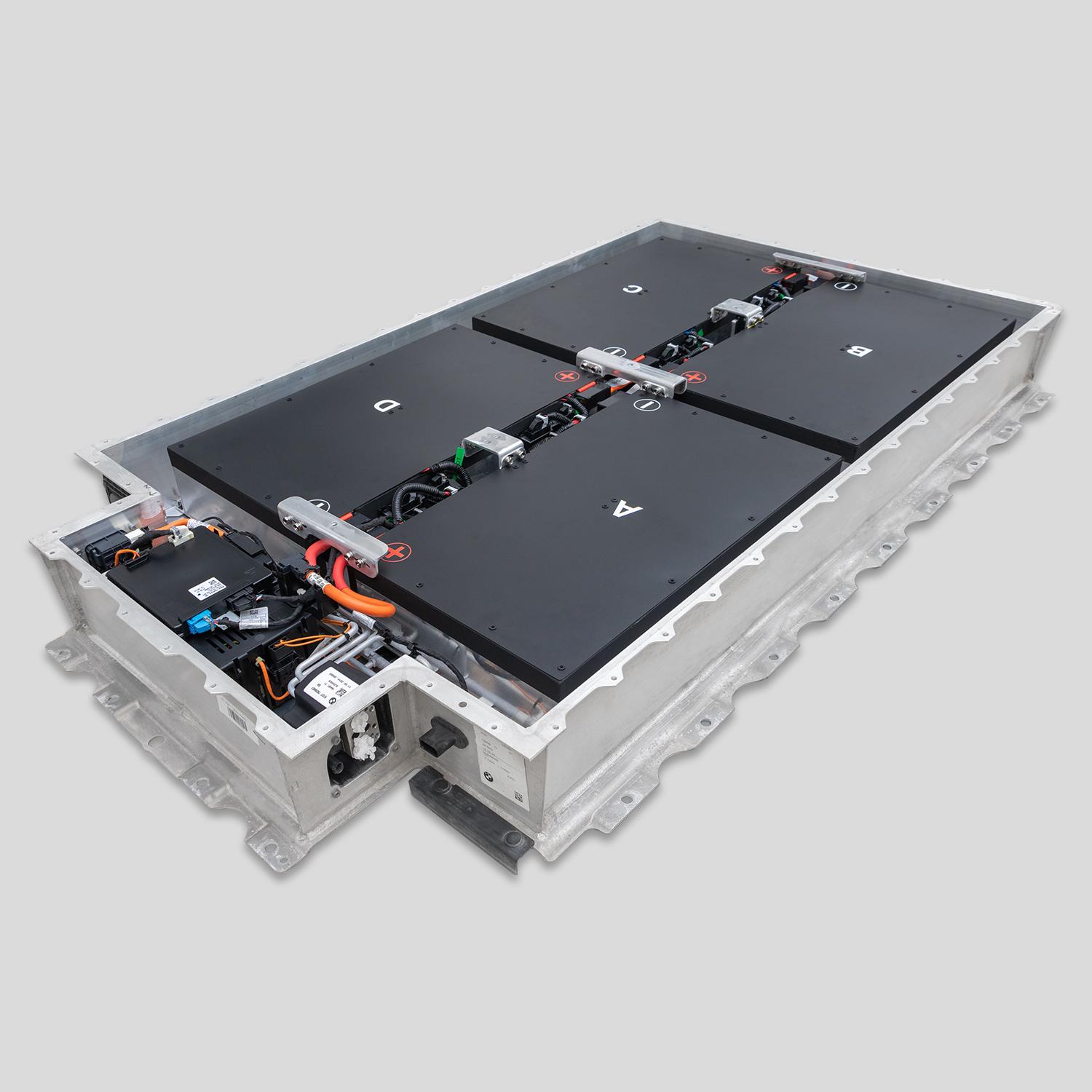
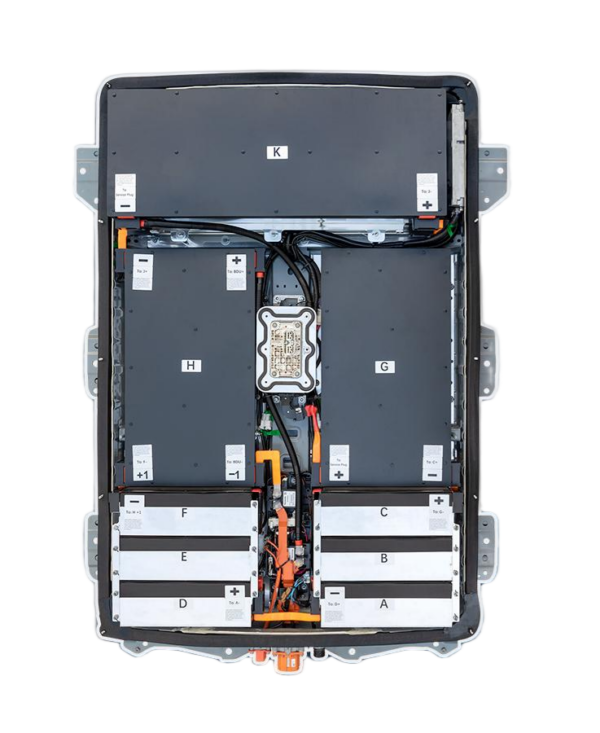
The battery pack contains 288 individual prismatic cells. Using brand-new CATL cells (the same tier-1 supplier used by major automakers) ensures:
- No “Battery Memory”: You start with 100% health.
- Thermal Stability: New cells handle heat better, preventing the “sudden death” common in recycled packs.
- Consistency: Every cell is matched at the factory for perfect voltage balance.
2. The Battery Management System (BMS)
This is the “brain.” A generic BMS costs a few hundred dollars, but an OEM-compatible BMS is programmed specifically for the Nissan Leaf e+ CAN bus system. This ensures:
- Seamless communication with your car’s dashboard.
- Accurate State of Charge (SOC) readings.
- Active cell balancing to maximize lifespan.
3. The Mechanical Structure
The Nissan Leaf e+ pack uses a specific aluminum extrusion and plastic housing design. Re-manufacturing this casing to OEM tolerances ensures:
- Perfect fitment in the chassis (no modifications required).
- IP67 Waterproof rating to protect against road debris and water.
4. Logistics & Compliance
Shipping lithium-ion batteries internationally is complex (UN38.3 regulations). The cost includes:
- DDP (Delivered Duty Paid) Shipping: We handle customs clearance.
- Fumigation-Free Wood Crating: Heavy-duty shipping crates to protect the battery during ocean freight (which can take 4-8 weeks).
The “Real” Cost Comparison: Saving 50% in 2026
Let’s put real numbers on the screen. If you own a 2020 Nissan Leaf e+ and need a replacement today:
- Dealership (OEM) Route:
- Price: Approximately $15,000 – $18,000 (Includes core charge, labor, and parts).
- Outcome: You pay double the current resale value of the car.
- Refurbished “Junkyard” Route:
- Price: Approximately $4,500 (Parts only).
- Outcome: You buy a used battery with 50% health. Risk of failure is high, potentially stranding you and costing more in towing and labor.
- CNS BATTERY (New 62kWh Pack):
- Price: Approximately $7,800 – $8,200 (Installed or DIY).
- Outcome: You get a brand-new, warrantied battery that performs exactly like the original, restoring your car’s full range and value.
The Verdict: By choosing a high-quality aftermarket new pack, you save over 50% compared to the dealer, while avoiding the gamble of a used battery.
Why Choose a 2026 Upgrade?
Beyond just replacing the battery, 2026 presents an opportunity for upgrades. Some owners are opting to swap their degraded 40kWh Leaf into a 62kWh e+ specification.
If you have a standard Leaf (ZE0/AZE0) and want the e+ range, the cost breakdown changes slightly:
- Hardware Swap: You need the 62kWh pack.
- Software Unlock: The car’s BCM (Body Control Module) often needs to be flashed to recognize the larger capacity.
- Total Project Cost: Roughly $9,000 – $10,000.
This “upgrade path” is significantly cheaper than buying a new electric car and can be a viable investment if your current Leaf is in good mechanical condition.
Frequently Asked Questions (FAQ)
Q1: Can I install the Nissan Leaf e+ battery myself to save money?
A: Yes, many of our customers are DIY enthusiasts. The Nissan Leaf battery is designed as a “drop-out/drop-in” unit. We provide HD installation videos and remote video guidance. If you are mechanically inclined and have a lift, you can save on labor costs (which typically run $800-$1,200 at a shop). However, BMS programming must be done correctly to avoid damaging the new pack.
Q2: How long does the shipping take from China to my country?
A: Due to the heavy weight and hazardous nature (UN38.3) of lithium batteries, we primarily ship via Sea Freight.
- Transit Time: Typically 4 to 8 weeks.
- Expedited Options: Air freight is available but extremely expensive (often 3-4x the cost of the battery itself). We recommend planning ahead.
Q3: Is the 2-year warranty valid internationally?
A: Yes. Our warranty covers defects in materials and workmanship. If a cell fails or the BMS malfunctions within 2 years (or 80,000 km), we will arrange a replacement or repair. Please note, the warranty does not cover physical damage caused by accidents or improper installation (e.g., crushing the pack).
Q4: Will this new battery work with my car’s heating/cooling system?
A: Absolutely. Our packs are engineered to match the OEM dimensions and thermal interface. The battery will connect directly to your Leaf’s existing thermal management lines, ensuring the cells stay within the optimal temperature range for longevity.
Ready to Revive Your Leaf?
Don’t let a dead battery kill your EV dream. Whether you drive a Leaf e+ or want to upgrade to one, getting a precise quote is the first step.
Get Your Free, No-Obligation Quote Today.
We specialize in Nissan Leaf batteries (40kWh, 62kWh, and modules). Our team can verify compatibility with your specific VIN and provide a transparent 2026 price breakdown.