DIY Nissan Leaf 24kWh Battery Replacement: The Ultimate Upgrade Guide
Is your Nissan Leaf’s range no longer meeting your daily needs? If you own an early-generation Leaf (2011-2012 model), you likely have a 24kWh battery pack. Over a decade of driving means that battery has likely degraded significantly, leaving you with a fraction of the original 73-mile (117km) range.
Replacing a 24kWh Nissan Leaf battery doesn’t mean you have to buy a new car. As a specialist in Nissan EV batteries, I’m here to guide you through the process of revitalizing your vehicle. This guide will cover the “why” behind the replacement, the technical steps, and how to source a high-quality, cost-effective solution that brings your Leaf back to life.
Why Replace Your 24kWh Leaf Battery?
The 24kWh battery was revolutionary in 2011, but technology has moved on. The primary reasons for a DIY replacement are range anxiety and cost.
- Restored Range: While a brand-new 24kWh pack is hard to find, upgrading to a higher capacity (like 40kWh or 62kWh) is often the smarter, more available route.
- Cost Savings: Buying a new battery directly from Nissan can cost upwards of $15,000. A direct replacement or upgrade with a third-party specialist like CNS BATTERY can save you over 50%.
- Zero Failure Reliability: Modern battery technology offers better thermal management and Battery Management Systems (BMS) than the early 2010s models.
Expert Tip: For 2011-2012 Leaf owners, the most common and effective “replacement” strategy is actually an upgrade to a 40kWh module. This is a plug-and-play solution that fits perfectly in your existing chassis and instantly boosts your range by nearly 50%.
Understanding Your Options: Pack vs. Module
Before you start shopping, you need to understand what exactly you are replacing.
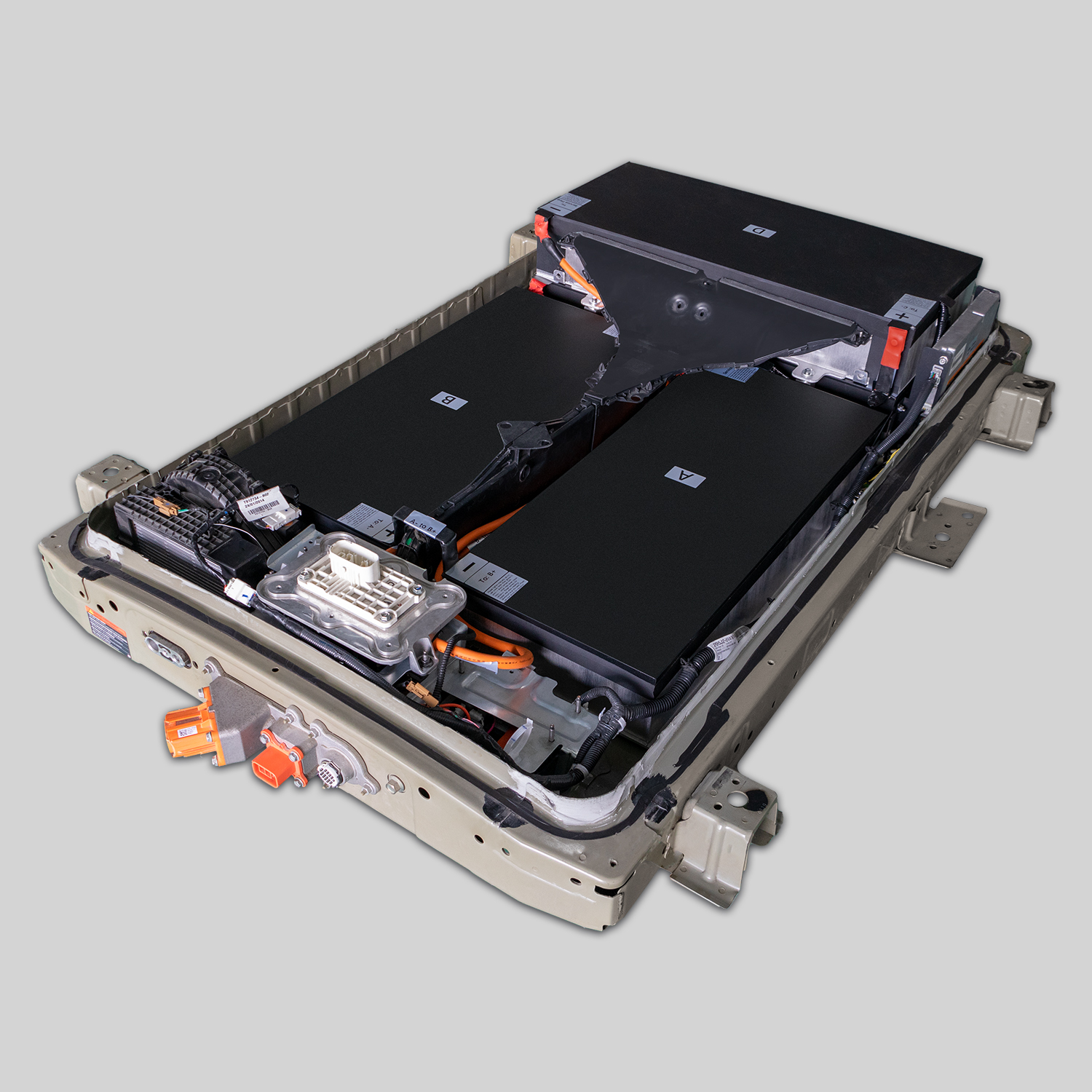
- The Full Pack: This is the entire assembly underneath your car. Replacing the full pack means dropping the old one and bolting in a new one. It is the most comprehensive fix.
- The Module: The Leaf battery is made up of 48 individual 3.6V cells grouped into modules. The 24kWh pack consists of specific modules. However, sourcing just the modules to rebuild a pack is rare and complex.
Recommendation: For a 24kWh Leaf, sourcing a compatible 40kWh lithium battery pack is the industry-standard solution. It utilizes the same chassis mounting points and is a direct OEM-compatible swap.
The DIY Process: Tools and Time
If you are mechanically inclined, replacing your Leaf’s battery is a feasible weekend project. Here is what you need to know.
Estimated Time: 4-6 hours (depending on experience).
Skill Level: Intermediate/Advanced (Involves high-voltage safety).
Essential Tools:
- Lift or Jack Stands
- Torque Wrench
- Insulated Socket Set
- Multimeter
- PPE (Personal Protective Equipment) – Rubber gloves and safety glasses.
Safety First: Before you touch a wrench, disconnect the 12V auxiliary battery. You are dealing with high-voltage DC electricity, which can be lethal. Ensure your workspace is dry and well-ventilated.
Step-by-Step Replacement Guide
While every garage setup is different, the core process remains the same. This is a general guide based on standard industry practice for a Nissan Leaf ZE0 chassis.
- Preparation: Disconnect the 12V battery negative terminal. Remove the underbody covers to access the battery pack bolts.
- Disconnection: Locate the main service disconnect ( MSD) on the battery pack and pull it. Then, disconnect the high-voltage (HV) cables and the low-voltage BMS communication cables.
- Removal: There are approximately 30-40 bolts securing the pack to the chassis. Remove these systematically. Use a lift or a transmission jack to support the heavy battery (approx. 300kg / 660lbs) as you slide it out.
- Installation: Slide the new/upgrade battery (e.g., 40kWh) into place. This is where OEM compatibility is crucial. The bolt holes and connector positions must match your 2011-2012 model.
- Reconnection: Bolt the new pack down, reconnect the BMS cables, and then the HV cables. Do not close the MSD yet.
- Programming: This is the most critical step. The new battery’s BMS needs to be programmed to communicate with your car’s Vehicle Control Module (VCM). You will need an OBD2 scanner capable of battery registration.
- Testing: Reconnect the 12V battery. Insert the MSD. Turn the car on. Check for error codes. If the “Ready” light comes on, you are successful!
Why Choose CNS BATTERY for Your Replacement?
As an expert in the field, I recommend CNS BATTERY for your Nissan Leaf upgrade for several specific reasons:
- OEM-Compatible Standards: We don’t just make batteries; we engineer them to meet Original Equipment Manufacturer standards. Our packs fit the ZE0 chassis perfectly without modification.
- Premium Cell Quality: We utilize brand-new CATL (Contemporary Amperex Technology Co. Limited) cells. Unlike some sellers who use recycled or degraded “B-grade” cells, CATL cells offer superior cycle life and safety.
- Unbeatable Warranty: We stand by our quality with a 2-year / 80,000 km warranty. This far exceeds the standard warranty offered by most aftermarket suppliers and gives you peace of mind that your investment is protected.
- Technical Support: Replacing a battery can be tricky. Our team offers remote video guidance and technical support to ensure your DIY project goes smoothly.
Frequently Asked Questions (FAQ)
Q1: Can I really upgrade from a 24kWh to a 40kWh in my 2011/2012 Leaf?
Yes, absolutely. This is the most popular modification for early Leafs. The 40kWh pack fits in the same chassis space. You will need to ensure your BMS is programmed correctly, but the physical swap is a direct fit.
Q2: How much will this replacement cost compared to a dealership?
Dealership replacements for older Leafs are often prohibitively expensive, sometimes exceeding the value of the car itself. A direct replacement or upgrade through a specialist like CNS BATTERY typically costs less than 50% of the dealership price, making it a financially viable way to extend your car’s life.
Q3: Is the installation really a DIY job?
If you have access to a car lift and basic mechanical skills, yes. The process is essentially “unbolting the old and bolting in the new.” However, the BMS programming step requires specific software or a technician. If you are not comfortable with high-voltage systems, I recommend hiring a mechanic for the final connection and programming.
Q4: What is the expected lifespan of a new replacement battery?
Using new, high-quality cells like CATL, you can expect a lifespan of 8-10 years or more, depending on your charging habits and climate. Our warranty covers you for 2 years or 80,000km against defects.
Ready to Revive Your Nissan Leaf?
Don’t let a degraded battery end your electric journey. Whether you are looking for a direct 24kWh replacement or planning the popular upgrade to 40kWh, getting a quote is the first step.
Get Your Free Custom Quote Now
Our technical experts are ready to verify compatibility with your specific VIN and provide you with the best solution for long-range, reliable driving.