Top DIY Tools for New Nissan Leaf 40kWh Install
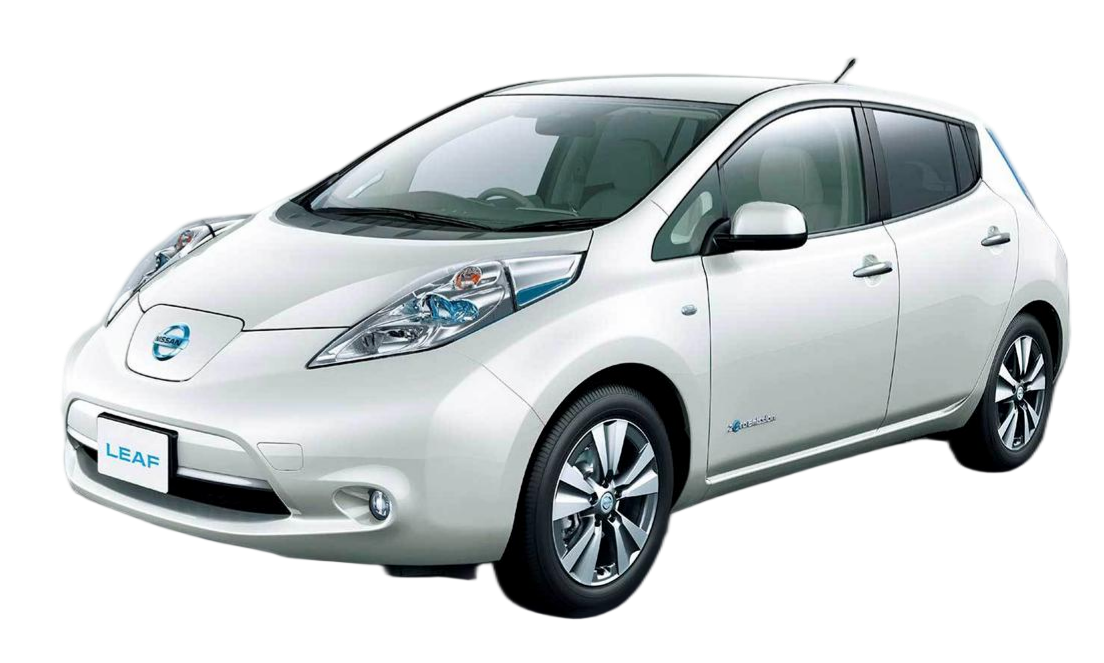
If you’re looking to replace your aging Nissan Leaf battery with a brand-new 40kWh pack, you are likely motivated by restoring your car’s range and reliability. While professional installation is always an option, many Leaf owners—especially those with the ZE0, AZE0, or ZE1 models—choose the DIY route to save on labor costs.
At CNS BATTERY, we specialize in OEM-compatible Nissan and BMW EV batteries, and we understand that a successful DIY project hinges on having the right tools and information. This guide will walk you through the essential toolkit needed for a smooth 40kWh battery swap, ensuring safety and efficiency.
🛠️ Essential Toolkit for Nissan Leaf Battery Replacement
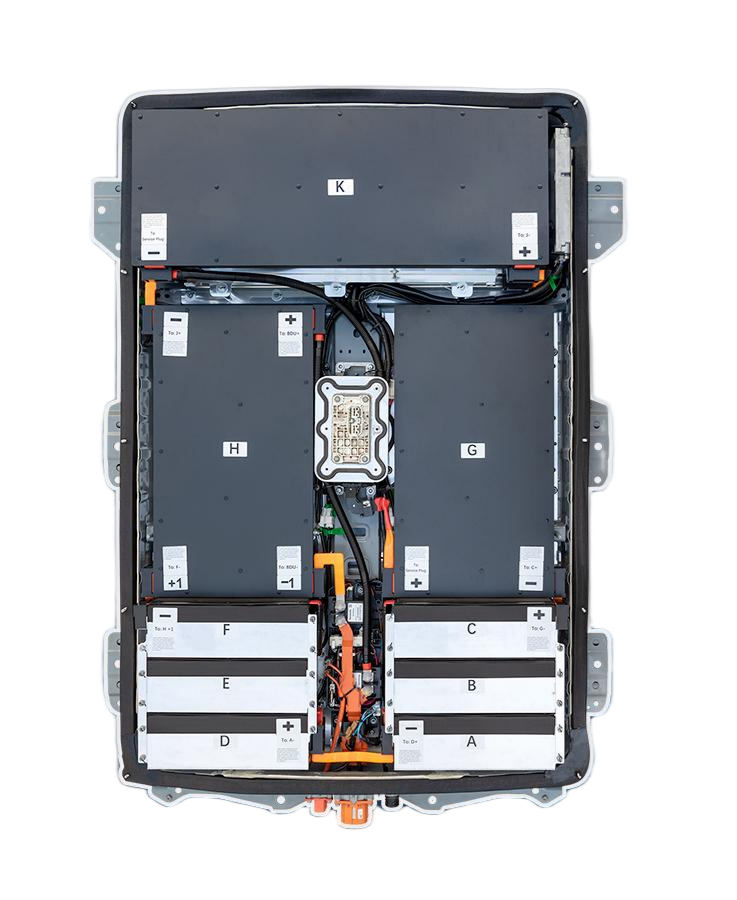
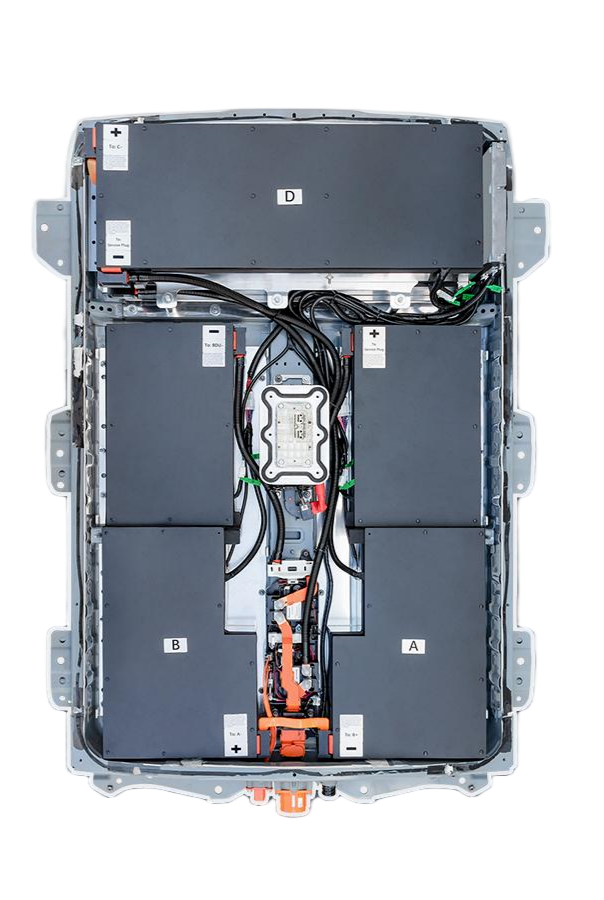
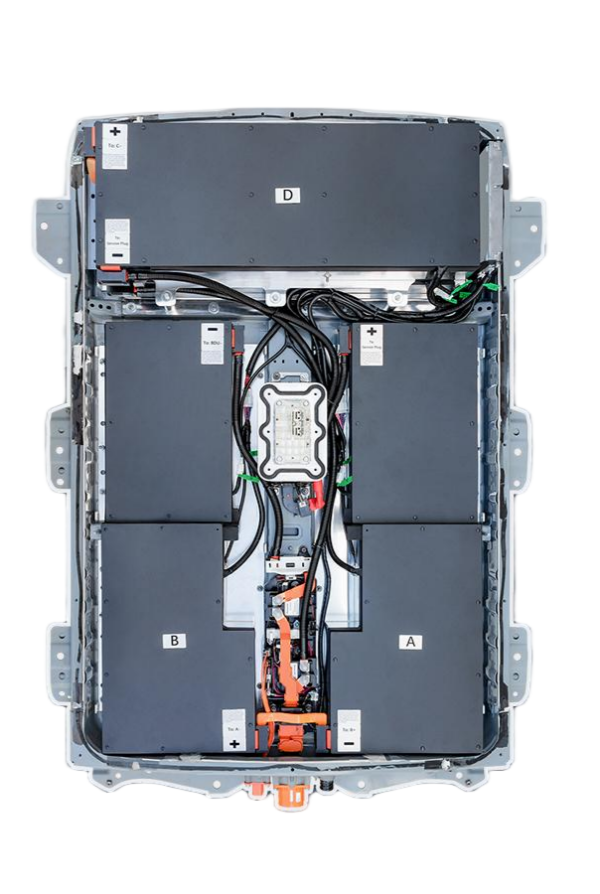
Replacing a 300kg+ (660lbs+) lithium-ion battery pack is a significant mechanical task. Safety is paramount. Below is the definitive list of tools you will need, based on our technical expertise and feedback from thousands of successful installations.
1. Safety First: Personal Protective Equipment (PPE)
Before you touch a wrench, ensure you are protected.
- Insulated Safety Gloves: High-voltage rubber gloves (Class 00, 500V rated) are mandatory to prevent electrical shock.
- Safety Glasses: Protect your eyes from debris and potential chemical splashes.
- Protective Clothing: Wear non-conductive clothing and avoid loose jewelry that could cause a short circuit.
2. Lifting Equipment: The Heavy Lifters
The Nissan Leaf battery is heavy. You cannot do this by hand.
- Engine Crane or Transmission Jack: You will need a heavy-duty hydraulic jack or a workshop crane rated for at least 1000kg (2200lbs) to safely lift the battery out and in.
- Long Lifting Straps: Use wide nylon straps (at least 50mm wide) to secure the battery pack during lifting. Never lift the battery by its electrical terminals or wiring harness.
3. Socket & Wrench Set
You will be removing numerous bolts securing the battery to the chassis.
- 17mm and 19mm Sockets/Wrenches: These are the most common sizes for the chassis bolts and underbody shield clips.
- Breaker Bar or Torque Wrench: Some bolts can be extremely tight due to road grime and torque. A breaker bar helps break them loose, while a torque wrench ensures you tighten new bolts to the correct specification (usually around 100-120 Nm).
- Impact Wrench (Optional but Recommended): An air or electric impact gun can save you hours of manual labor when removing stubborn bolts.
4. Electrical & Diagnostic Tools
To ensure the new 40kWh CNS BATTERY integrates perfectly.
- Multimeter: To check voltage continuity and ensure the 12V system is safe before starting.
- OBD2 Scanner: While the CNS BATTERY is plug-and-play, an OBD2 scanner is crucial for resetting error codes, checking the State of Health (SOH), and ensuring the Battery Management System (BMS) communicates correctly with the vehicle after installation.
- Dielectric Grease: To apply on the high-voltage connectors to prevent corrosion.
📦 Why Choose a CNS 40kWh Battery for Your DIY Project?
When you are investing your time and tools into a DIY job, the last thing you want is a defective or incompatible part. CNS BATTERY is the industry leader in aftermarket EV powertrains for Nissan and BMW.
Here is why our 40kWh battery packs are the perfect match for your DIY upgrade:
- Plug-and-Play Compatibility: Our packs are engineered to OEM standards. The connectors, dimensions, and communication protocols match your Leaf ZE0, AZE0, or ZE1 perfectly. There is no hacking, splicing, or modification required.
- Brand-New CATL Cells: Unlike refurbished or recycled batteries that might fail in weeks, CNS uses brand-new, top-tier cells from CATL. This ensures your DIY effort results in a battery that lasts for years, not months.
- Cost Efficiency: By choosing a CNS battery, you save over 50% compared to the cost of an OEM replacement from a dealership. This allows you to recoup your investment quickly through saved fuel costs.
Performance Comparison: Refurbished vs. CNS New
| Feature | Refurbished/Old Battery | CNS New 40kWh Battery |
|---|---|---|
| Core Components | Aged, degraded cells with unknown history | Brand-new CATL lithium cells |
| Battery Life | Unpredictable; risk of swelling or failure | Stable & durable; 2-year warranty |
| Price | High risk of “buying trouble” | 50% cheaper than OEM; high ROI |
📖 Step-by-Step DIY Installation Guide
Once you have your toolkit ready and your new CNS 40kWh Battery delivered in its fumigation-free wooden crate, follow these high-level steps:
1. Preparation
- Disconnect Power: Park on a flat surface, engage the parking brake, and disconnect the 12V negative terminal. Wait at least 10 minutes for the capacitors to discharge.
- Remove Underbody Shields: Use your 17mm sockets to remove the plastic undertray shields to access the battery bolts.
2. Removal of Old Battery
- Unplug Harnesses: Carefully disconnect the high-voltage (HV) connectors and the signal cables. Note the routing.
- Lift Out: Position your engine crane, attach the straps securely to the battery lifting points, and lift the old pack out slowly.
3. Installing the CNS 40kWh Pack
- Positioning: Lower the new CNS battery into the chassis cradle. Ensure it sits flat and the mounting holes align.
- Reconnect: Plug in the HV connectors and signal cables. Apply dielectric grease as mentioned earlier.
- Torque Bolts: Secure the battery to the chassis using the original bolts (or new ones if recommended) and torque them to factory specifications.
4. Post-Installation & Testing
- Reconnect 12V: Reconnect the negative terminal.
- System Check: Turn the car on. You should see 12 bars of charge. Use your OBD2 scanner to verify the BMS is communicating and that there are no fault codes.
- First Charge: Plug the car into a Level 2 charger and perform a full charge cycle to calibrate the new battery.
Expert Tip: If you encounter any BMS programming issues during this step, CNS offers remote video guidance from our technical experts. We won’t leave you stranded mid-project.
📝 Final Thoughts
Swapping your Nissan Leaf’s battery with a new 40kWh pack is a rewarding project that can breathe new life into your vehicle. By gathering the right tools—specifically a heavy-duty jack, insulated gloves, and the right sockets—and pairing them with a high-quality, OEM-standard CNS Battery, you are setting yourself up for success.
Don’t let the fear of complexity stop you. With our comprehensive support and plug-and-play design, you can complete this transformation in just a few hours. Ready to get started?
Get Your Free Custom Quote Today and Restore Your Range.
Contact Our Technical Experts Now
❓ Frequently Asked Questions (FAQ)
Q1: Is it safe for a non-professional to install a Nissan Leaf battery?
Yes, if you follow proper safety protocols. The mechanical process (removing bolts and lifting) is similar to changing a transmission. The key risks are electrical, so always disconnect the 12V battery first and wear insulated gloves. The CNS battery is designed for plug-and-play, minimizing complex electrical work. If you are unsure about the BMS programming, our team offers remote video support.
Q2: How long does the installation take?
For a DIYer with the correct tools, the installation typically takes 1 to 2 hours. This includes removing the old battery (which can take longer if bolts are rusted) and installing the new CNS pack. Professional technicians can often complete it in under an hour.
Q3: What if my car model is not listed?
CNS BATTERY specializes in Nissan and BMW models, including Leaf ZE0, AZE0, ZE1, and e-NV200. If you have a different model (such as the Nissan Ariya or a specific BMW series), we offer customization services. Simply contact our technical experts with your VIN number, and we will confirm compatibility or build a solution for you.
Q4: What warranty comes with the DIY battery kit?
Every CNS 40kWh battery comes with a robust 2-year / 80,000 km warranty (whichever comes first). This covers defects in materials and workmanship, as well as performance degradation (ensuring the battery maintains at least 70% capacity). This warranty is significantly longer than what most competitors offer for DIY aftermarket batteries.