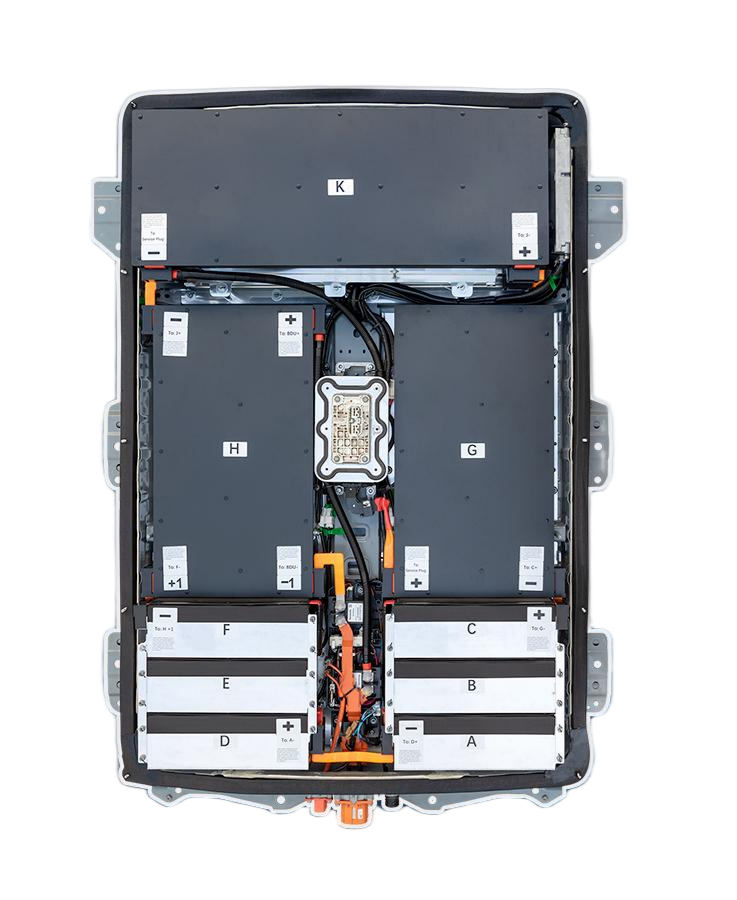
Here is the SEO-optimized article tailored for repair shops and automotive professionals.
The Ultimate Guide to Safe, Recycled Nissan e-NV200 Batteries for Repair Shops
The Challenge of EV Repair in 2026
As an automotive technician or repair shop owner in 2026, you understand the unique pressure of the EV market. Customers are bringing in aging Nissan e-NV200s, vital for their daily logistics, only to find their range has plummeted. The dilemma? Sourcing a battery that is both safe and economically viable. While the market is flooded with options, many shops struggle to find a balance between cost and reliability. This guide is designed to help repair professionals navigate the landscape of recycled and refurbished Nissan e-NV200 batteries, ensuring you provide a safe, long-lasting solution to your clients.
Why “Safe” is the Top Priority for e-NV200 Repairs
When a customer brings in their e-NV200, safety isn’t just a feature; it is the foundation of your reputation. Unlike standard ICE repairs, a faulty EV battery can lead to thermal runaway, BMS failures, or even vehicle fires.
For repair shops, the keyword here is “Recertified” rather than just “Recycled.”
- The Risk of Used Parts: Simply installing a salvaged battery pack without rigorous testing is a gamble. Old cells often suffer from internal short circuits or severe degradation.
- The Solution: A safe repair requires a battery pack built with new cells or rigorously tested Grade A recycled modules. Look for suppliers who utilize cells from Tier-1 manufacturers (like CATL) to guarantee the chemistry meets OEM safety standards.
The Economics: Why Recycled Materials Save Your Shop Money
Repair shops operate on margins. The high cost of OEM Nissan replacement batteries often forces customers to abandon repairs or seek cheaper, riskier alternatives.
By utilizing Nissan e-NV200 batteries made from recycled materials or offering a “core exchange” program, you unlock significant financial benefits:
- Lower Inventory Costs: You aren’t paying the premium brand tax of the original manufacturer.
- Higher Profit Margins: You can offer the customer a 50%+ discount compared to OEM prices while maintaining a healthy shop profit.
- Faster Turnaround: Pre-built, compatible packs mean less labor time wrestling with individual cell welding, allowing you to service more vehicles per week.
How to Vet a “Safe” Battery Supplier (The 3-Point Checklist)
Not all recycled or aftermarket batteries are created equal. As an expert in the field, here is what you should scrutinize before recommending a battery to your client:
1. Cell Quality and Origin
Ask the supplier: “Are these new cells, or are they pulled from crashed vehicles?”
- Safe Choice: Brand new Lithium Iron Phosphate (LFP) or NMC cells from reputable factories.
- Risky Choice: “Repaired” packs using mismatched cells from various salvage yards.
2. Warranty and Support
A safe battery comes with a safety net.
- Look for a minimum 2-year / 80,000km warranty. This demonstrates the supplier’s confidence in the product’s durability and protects your shop from liability if an issue arises post-installation.
3. Plug-and-Play Compatibility
Time is money. A safe repair shouldn’t require hacking the vehicle’s software.
- Ensure the battery has OEM-standard connectors and a programmed BMS that communicates seamlessly with the Nissan Leaf/e-NV200 dashboard. This prevents “No Communication” errors that frustrate both you and the customer.
Case Study: Upgrading a 2022 e-NV200 for a Logistics Client
Let’s look at a real-world scenario faced by repair shops.
The Problem:
A local delivery service brings in a 2022 Nissan e-NV200. The original 40kWh battery has degraded to 150km of range, making it useless for daily routes. The customer refuses the $12,000+ OEM replacement quote.
The Solution:
As the shop owner, you source a 50kWh upgrade battery made with high-quality recycled/recertified materials.
- Installation: Plug-and-play, taking less than 2 hours.
- Result: The vehicle’s range jumps to 348km. The customer is back on the road for a fraction of the cost, and you secured a loyal client.
The Future of Repair: Sustainability and Profitability
The automotive industry is shifting towards a circular economy. By specializing in safe, recycled EV battery replacements, your shop positions itself as both eco-conscious and cost-effective.
Key Takeaways for Shop Owners:
- Safety First: Never compromise on cell quality. New or Grade A recycled cells are mandatory.
- Transparency: Explain to customers that “recycled materials” in this context means a remanufactured pack with superior engineering, not a junkyard find.
- Partnership: Partner with a manufacturer that offers technical support. If a BMS programming issue arises during installation, you need a supplier who answers the phone, not just an email address.
Frequently Asked Questions (FAQ)
1. Are recycled Nissan e-NV200 batteries safe for commercial use?
Yes, when sourced correctly. A “recycled” or “refurbished” battery built with new or rigorously tested cells (such as those from CATL) is significantly safer than using a random salvaged pack. These professionally rebuilt packs undergo strict quality control, including thermal testing and BMS calibration, making them ideal for commercial fleets.
2. How much can a repair shop save by using aftermarket/recycled batteries?
Shops typically save 50% to 70% on the cost of the battery pack compared to purchasing from a Nissan dealership. This allows you to offer competitive pricing to customers while protecting your profit margin.
3. What is the typical lifespan of a recycled e-NV200 battery pack?
A high-quality aftermarket or remanufactured pack using new cells should last 8-10 years or 200,000+ km under normal commercial use. Always check the warranty offered by the supplier; a 2-year unlimited-mileage or long-kilometer warranty is a good indicator of expected lifespan.
4. Do these batteries require special tools to install?
No. Reputable suppliers design their Nissan e-NV200 batteries to be plug-and-play. They match the OEM dimensions, connectors, and communication protocols. You only need standard mechanical tools (wrenches, screwdrivers) for the physical removal and installation of the chassis bolts.
5. How do I handle the BMS (Battery Management System) programming?
Many modern replacement batteries come pre-programmed. However, if reprogramming is needed, top-tier suppliers provide technical support. This often includes remote video guidance or step-by-step instructions to ensure the BMS integrates perfectly with the vehicle, avoiding dashboard errors.
Ready to offer your clients a safer, more affordable repair solution?
Get Your Free Custom Quote and Technical Specs Here