The Ultimate Guide to the Best Safe Nissan Leaf Battery for EV Owners
As a Nissan Leaf owner, you know the feeling: the dashboard range keeps shrinking, and the anxiety of finding a charger grows. When it’s time for a battery replacement, the decision is critical. You need a solution that prioritizes safety, delivers long-range performance, and offers value without compromising on quality.
The market is flooded with options, from expensive Original Equipment Manufacturer (OEM) replacements to risky, low-cost refurbished units. However, there is a growing segment of EV owners choosing a smarter path: high-performance aftermarket solutions that utilize brand-new, premium-grade cells.
This guide is designed to help you navigate this complex decision. We will explore why simply replacing your old battery with another used unit might be a short-sighted gamble, and why upgrading to a new lithium-ion pack could be the key to reviving your Leaf for another decade of reliable driving.
Why Safety is the Non-Negotiable Priority
When discussing EV batteries, “safe” is not just a marketing term; it is the foundation of your driving experience. A compromised battery can lead to thermal runaway, fire hazards, or sudden power loss.
Many budget replacement options on the market are refurbished or recycled batteries. These are typically constructed from used cells salvaged from other vehicles. While they might seem cheap initially, they carry significant risks:
- Unpredictable Aging: Used cells have unknown stress histories. Their internal resistance is higher, leading to excessive heat generation.
- Swelling and Degradation: Old cells are prone to physical swelling, which can damage the battery casing and internal wiring.
- Lack of Modern BMS: Many lack the sophisticated Battery Management Systems (BMS) required to monitor individual cell health, leaving you vulnerable to overcharging.
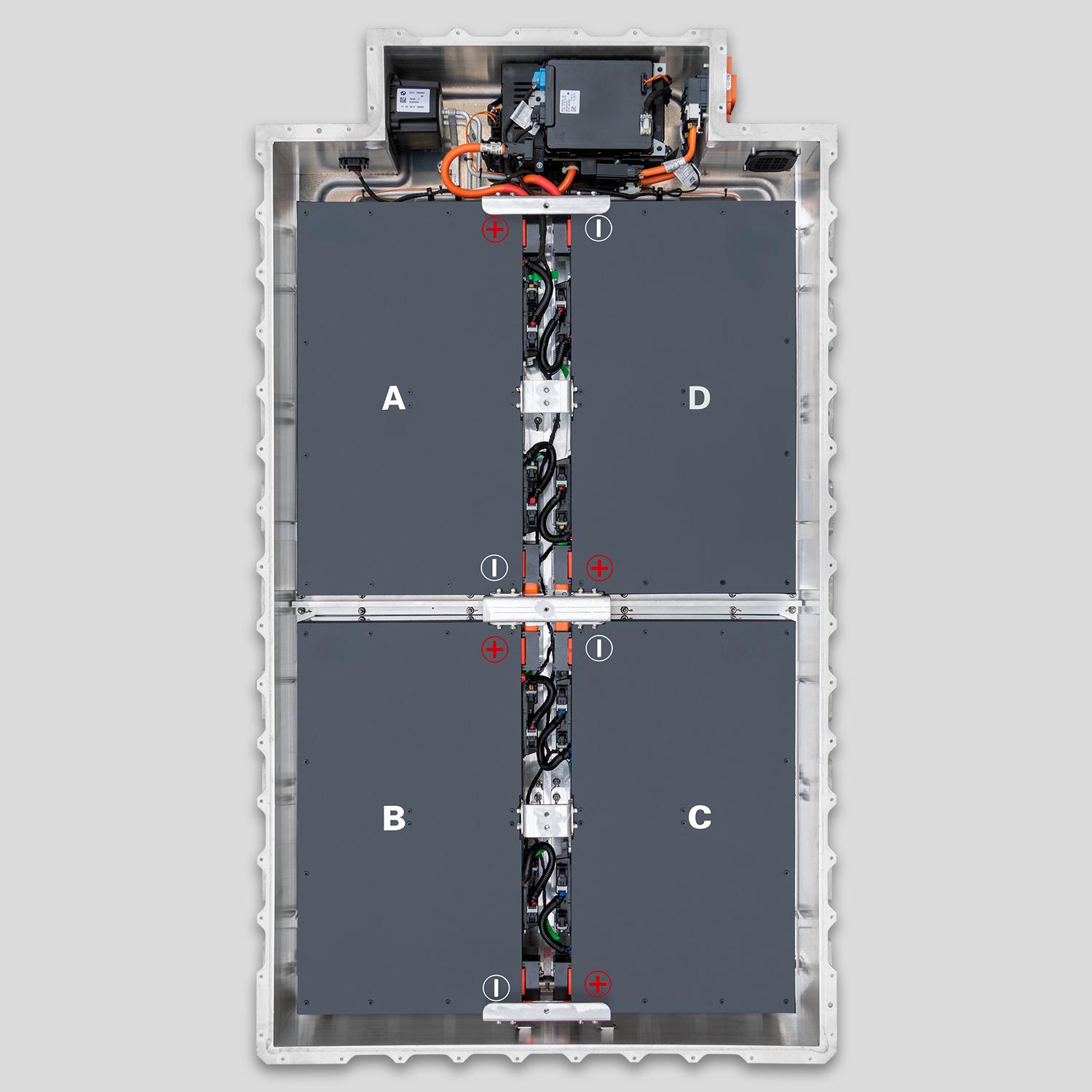
The best safe Nissan Leaf battery utilizes brand-new, A-grade cells from top-tier manufacturers like CATL. New cells have stable chemical structures, lower internal resistance, and are paired with advanced BMS technology to ensure every cell operates within a safe voltage and temperature window.
The Cost of “Cheap”: Refurbished vs. New Performance
To understand the true value, we must compare the two primary options available to EV owners. The table below illustrates why a higher initial investment in a new pack pays off in safety and longevity.
| Feature | Refurbished/Used Batteries | Premium New Lithium Batteries (e.g., CNS) |
|---|---|---|
| Cell Source | Salvaged, mixed batches, unknown history | Brand new, A-grade cells (e.g., CATL) |
| Safety Risk | High (Swelling, leakage, fire risk) | Low (Stable chemistry, robust casing) |
| Warranty | Often none, or very short (3-6 months) | Long-term (e.g., 2 Years / 80,000 km) |
| Performance | Degrades rapidly; range drops quickly | Stable capacity; consistent long-range |
| Price | Low upfront, but high risk of re-replacement | Approx. 50% of OEM cost; 2x reliability |
The Verdict: While a refurbished battery might save you a few hundred dollars today, the risk of a catastrophic failure or needing another replacement in 6-12 months makes it a false economy. Investing in a new pack ensures you are not gambling with your safety.
The Power of Upgrading: From 40kWh to 62kWh+
One of the most exciting aspects of replacing your Nissan Leaf battery is the opportunity to upgrade. If you drive a ZE0, AZE0, or ZE1 model, you are not limited to the original specifications of your vehicle.
Many owners are choosing to install a 62kWh or even a 68kWh lithium battery pack. This is not just a repair; it is a transformation.
- Doubling the Fun: Upgrading from a 24kWh or 30kWh pack to a 62kWh unit can nearly double your driving range.
- Modern Technology: New packs utilize the latest lithium-ion technology, which charges faster and holds a charge better in cold weather than the older packs found in early Leaf models.
- Plug-and-Play Compatibility: The best solutions are designed as direct OEM replacements. This means no modifications to your car’s wiring or software are required. It is a direct swap that fits perfectly into the chassis.
Real-World Results: What Owners Are Saying
Don’t just take our word for it. EV owners worldwide are rediscovering the joy of driving after switching to a new, high-capacity battery.
- Mark T. (California, USA): “The original battery in my car lasted 8 years, but the range had dropped to only 120km… After comparing options, I chose a 62kWh battery… Now, the full charge range is 430km… The 2-year/80,000km warranty is reassuring.”
- David L. (London, UK): “Previously, I tried to save money by replacing my battery with a refurbished one, but it swelled up after only six months… He strongly recommended CNS BATTERY. After listening to my friend’s advice and replacing my battery with a 62kWh CNS battery, I realized the difference that brand-new CATL battery cells make!”
These testimonials highlight the emotional relief and practical benefits of choosing a safe, new solution. It is about eliminating range anxiety and restoring confidence in your vehicle.
How to Choose Your Perfect Battery
Selecting the right battery involves more than just picking the cheapest or most expensive option. Here is a simple three-step process to ensure you get the best fit for your Nissan Leaf:
- Identify Your Chassis: Determine if you have a ZE0, AZE0, or ZE1 chassis. This dictates the physical size and mounting points of the battery you need.
- Define Your Range Needs: Are you a city commuter, or do you need to take long road trips? For daily drivers, a 40kWh or 50kWh pack might suffice. For those needing “set it and forget it” range, a 62kWh or 68kWh pack is the superior choice.
- Verify the Warranty: A long warranty is the strongest indicator of a manufacturer’s confidence in their product. Look for providers offering at least a 2-year warranty with mileage coverage.
Frequently Asked Questions (FAQ)
Q1: Is it safe to install a higher capacity battery (like 62kWh) in an older Nissan Leaf model? Yes, it is safe, provided the battery is manufactured to OEM standards. The 62kWh packs designed for the Leaf are direct replacements that maintain the correct voltage and communication protocols with the car’s motor and BMS. The upgrade simply adds more physical cells within the same chassis footprint, allowing for longer driving without stressing the vehicle’s components.
Q2: How much does a safe Nissan Leaf battery replacement cost? The cost varies depending on capacity and whether you choose OEM or aftermarket. An OEM replacement can cost upwards of $12,000 to $16,000. A high-quality aftermarket solution using brand-new cells, such as those discussed here, typically costs about 50% less than OEM (e.g., around $7,000 – $8,500), offering a significantly better value proposition.
Q3: What is the installation process like? The installation process for a compatible Nissan Leaf battery is designed to be straightforward. It is generally a plug-and-play process that takes a professional technician approximately 1-2 hours. The process involves disconnecting the old pack, removing it from the chassis, installing the new pack, reconnecting the terminals, and running a diagnostic check to ensure the BMS communicates correctly with the vehicle.
Q4: What should I look for in a warranty for an aftermarket battery? You should look for a warranty that covers both time and mileage, as well as specific defects. A strong warranty, such as the 2-year / 80,000 km coverage offered by premium providers, indicates the manufacturer’s confidence in the durability of their A-grade cells. Ensure the warranty covers manufacturing defects and offers prorated coverage for performance degradation (e.g., guaranteeing the battery retains at least 70% capacity).
Ready to eliminate your range anxiety and drive with confidence again? Stop compromising with risky refurbished batteries.
Get Your Free Custom Quote Now
Our technical experts are ready to help you select the perfect high-capacity, safe lithium battery for your Nissan Leaf.