Here is the SEO-optimized article tailored for Nissan Leaf and e-NV200 owners seeking a reliable, easy-to-install battery solution.
Is It Worth an Easy Install Leaf LFP Battery for DIY Enthusiasts?
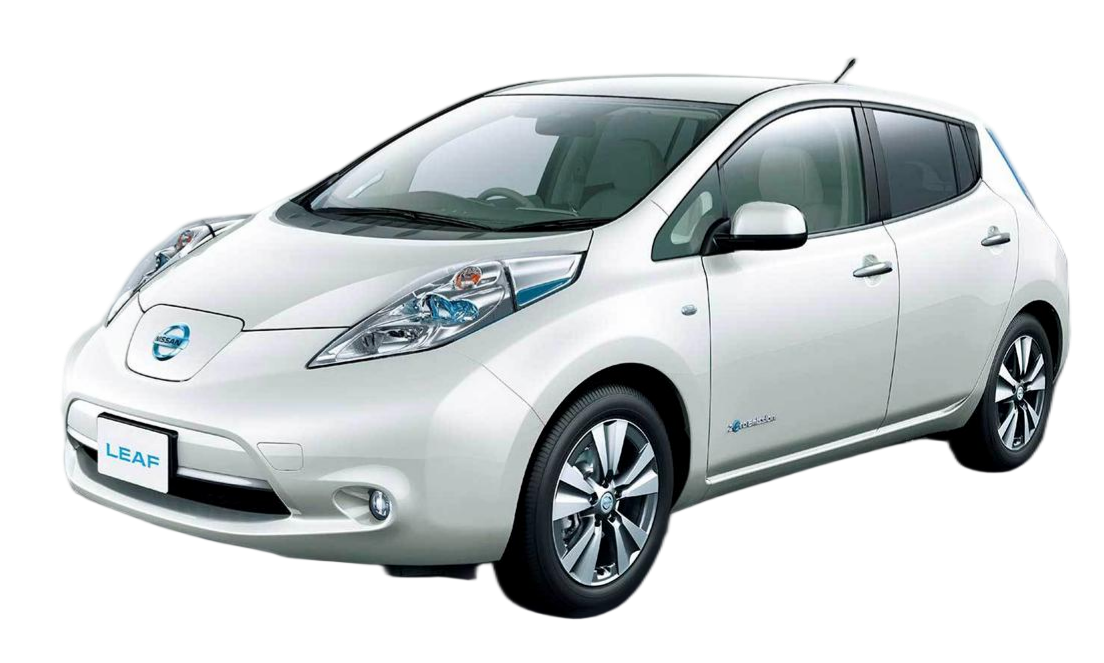
The Nissan Leaf battery replacement dilemma is real. If you own a Leaf ZE0, ZE1, or e-NV200, you know the pain of degraded range and the sticker shock of dealership prices. You might be asking yourself: Is it worth buying a new battery, and can I actually install it myself without voiding warranties or needing a degree in electrical engineering?
The short answer is yes—but only if you choose the right supplier. At CNS Battery, we specialize in bridging the gap between professional-grade performance and the DIY spirit. Our Lithium Iron Phosphate (LFP) batteries are engineered not just for longevity, but for plug-and-play simplicity.
Here is why thousands of Leaf owners globally are choosing a CNS Battery upgrade over expensive OEM replacements or risky refurbished packs.
Why LFP (Lithium Iron Phosphate) is the Smart Choice for Leaf DIY
Before we dive into installation, let’s address the “why.” Why switch to an LFP chemistry?
- Safety First: LFP chemistry is inherently more stable than the original Lithium Manganese Oxide (LMO) or NMC packs. It is far less prone to thermal runaway, making it the safest choice for a home garage installation.
- The “Forever” Battery: LFP batteries typically offer a cycle life of over 3,000 cycles. This means your DIY project today could be the last battery your Leaf ever needs.
- Zero Memory Effect: Unlike older battery types, LFP doesn’t require deep discharges. You can charge it whenever you want, which is perfect for daily drivers.
For a DIY enthusiast, this translates to peace of mind. You aren’t just buying a battery; you are buying a decade of reliable transportation.
The “Easy Install” Promise: Is It Really Plug-and-Play?
Many companies claim “easy installation,” but the reality often involves complex BMS programming, custom welding, or mismatched connectors. At CNS, we engineer our Nissan Leaf and e-NV200 batteries to meet Original Equipment Manufacturer (OEM) standards.
What does this mean for your DIY project?
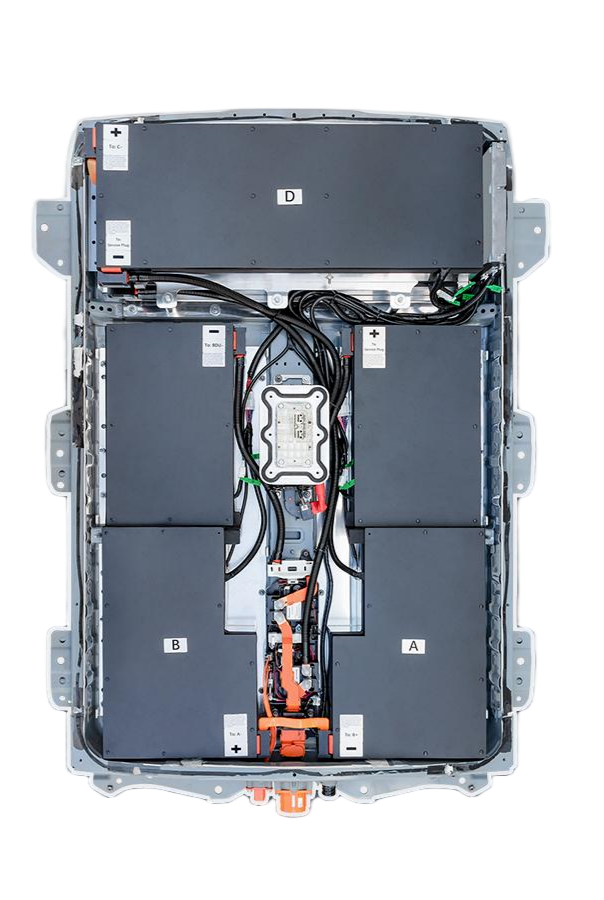
- Perfect Physical Fit: Our packs are designed to fit the OEM chassis dimensions of the Leaf ZE0, ZE1, and e-NV200 exactly. No modifications to your car’s frame are required.
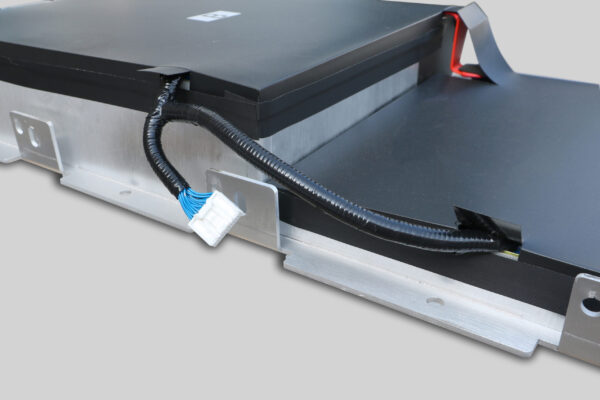
- OEM-Style Connectors: We use the same high-voltage (HV) and signal connectors as the factory. This means you are literally unplugging the old battery and plugging in the new one.
- Pre-Programmed BMS: Our Battery Management Systems come pre-flashed. While a professional scan tool is recommended for the final handshake with the car’s ECU, the physical installation is purely mechanical.
Real-World DIY Experience:
Tom H., a Leaf owner from Texas, documented his experience: “I used to struggle to change a light bulb… But the steps in the video were very detailed. It took me about 2 hours, and the connectors were color-coded. Even if you aren’t technical, you can do it with a friend who knows a little about cars.”
The Cost vs. Value Equation
Let’s talk numbers. Replacing a Leaf battery at a Nissan dealership can cost upwards of $16,000 USD. Refurbished packs are cheaper but come with the risk of hidden degradation.
CNS Battery Solution:
We offer brand-new, high-quality cells (including CATL cells) at roughly 50% of the OEM price.
| Feature | OEM Nissan Replacement | Refurbished/Used Pack | CNS New LFP Battery |
|---|---|---|---|
| Price | ~$16,000 | ~$5,000 – $8,000 | ~$7,000 – $8,500 |
| Warranty | Standard Factory | Usually None | 2 Years / 80,000 km |
| DIY Friendly | No (Dealer Only) | Maybe (Risky) | Yes (Plug & Play) |
| Cell Quality | New (Original) | Old (Degraded) | New (CATL/Top Tier) |
By choosing a CNS LFP upgrade, you are saving thousands of dollars while gaining a battery that often outperforms the original in terms of cycle life and safety.
Step-by-Step: Your DIY Installation Guide
If you are convinced and ready to start your project, here is a high-level overview of what the installation involves. Remember, safety is paramount when dealing with high-voltage systems.
Tools You Will Need:
- Standard Socket Set (Mechanic’s tools)
- Insulated Gloves (Safety First!)
- Torque Wrench
- Nissan Consult Scanner (or equivalent for BMS programming)
The Process:
- Disconnect Power: Always start by disconnecting the 12V auxiliary battery to kill all power.
- Remove Undertray: Access the battery by removing the plastic undertray.
- Unbolt HV & Signal Cables: Disconnect the high-voltage orange connectors and the signal harness.
- Remove Mounting Bolts: There are specific bolts securing the battery to the chassis.
- Lift Out Old Pack: Carefully lower the old battery.
- Install New CNS Pack: Reverse the process. Bolt in the new pack, reconnect the cables, and reattach the undertray.
- BMS Programming: This is the only step that might require a professional or a capable DIYer with a scan tool. You need to initialize the BMS to communicate with the Leaf’s ECU.
Expert Tip: If you encounter any issues during the BMS programming phase, CNS offers remote video guidance. Our technical team can walk you through the software setup in real-time via Zoom.
Trust and Support: Why CNS Stands Out
We understand that buying a battery online is a significant investment. That is why we back our “Easy Install” promise with robust support:
- VIN Compatibility Check: Before you buy, send us your VIN. We will confirm 100% compatibility with your specific Leaf model year.
- Lifetime Technical Support: Even after the warranty, our engineers are available to answer your maintenance questions.
- Global Shipping: We handle the logistics, including DDP (Delivered Duty Paid) services for most countries, so you aren’t stuck paying surprise customs fees.
Is it worth it? If you value reliability, safety, and saving thousands of dollars, the answer is a resounding yes. A CNS LFP battery turns your aging Leaf into a modern EV with a “new” powertrain.
Frequently Asked Questions (FAQ)
Q1: Can I really install this Nissan Leaf battery myself?
A: Absolutely. If you are mechanically inclined and have a standard socket set, the physical installation (unbolting the old and bolting in the new) is straightforward and takes about 1-2 hours. The only caveat is the BMS programming, which usually requires a diagnostic scan tool. If you don’t have one, we recommend hiring a local mechanic just for the 20-minute programming step, saving you thousands in labor fees.
Q2: What is the warranty on a DIY-installed battery?
A: Our warranty is 2 years or 80,000 km, whichever comes first. As long as the installation follows our safety guidelines (no physical damage, proper torque on bolts), the warranty remains valid regardless of whether a professional or a DIYer performed the install.
Q3: Will this battery fit my specific Leaf model (ZE0, ZE1, or e-NV200)?
A: We manufacture specific packs for Leaf ZE0, Leaf ZE1, and the Nissan e-NV200. However, there are minor variations between model years. Always use our VIN check service before purchasing to ensure the connectors and mounting points match your vehicle perfectly.
Q4: How much range can I expect after the upgrade?
A: Because LFP chemistry has a slightly different voltage curve, the displayed range might be slightly lower than the original on paper, but the actual driving distance is superior due to the 100% State of Health (SOH). For example, upgrading from a degraded 24kWh pack to a new 40kWh or 62kWh CNS pack will restore your range to near-new levels (approx. 150-200 miles depending on the model).
Ready to revive your Nissan Leaf with a brand-new, easy-install LFP battery? Don’t let range anxiety hold you back.