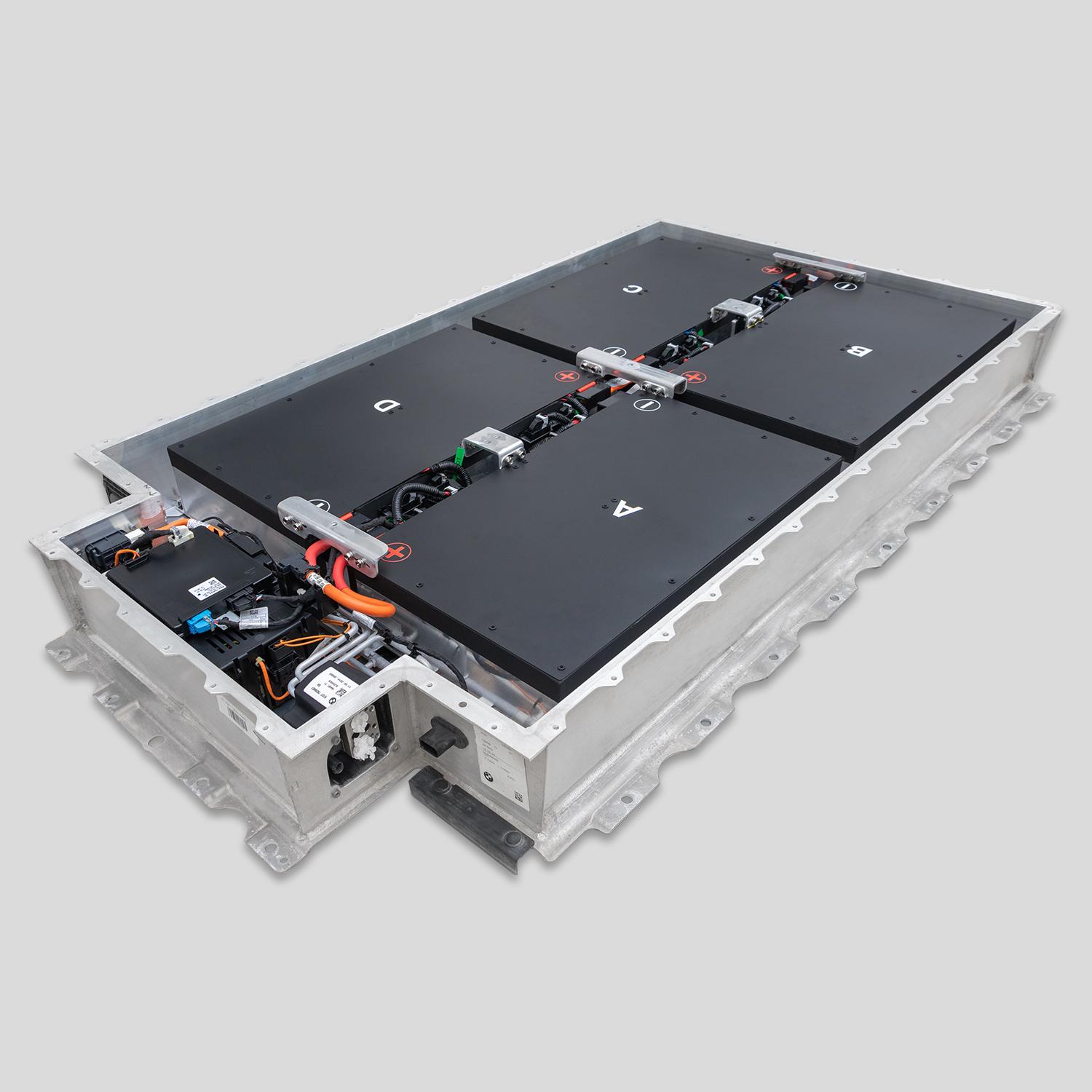
62kWh vs. 40kWh: Choosing the Right Battery for Your Delivery Van
If you are a business owner relying on an electric delivery van like the Nissan e-NV200, your battery isn’t just a power source—it is the engine of your livelihood. Downtime for charging or, worse, a breakdown due to insufficient range, directly impacts your bottom line.
While the 40kWh battery might seem like a budget-friendly option initially, the reality for a heavy-duty delivery schedule often tells a different story. This guide will break down the hard numbers and real-world operational costs to help you determine if upgrading to a 62kWh lithium battery pack is the strategic move your fleet needs.
The Daily Grind: 40kWh vs. 62kWh in Real-World Use
Let us cut through the marketing jargon. The difference between these two batteries is not just 22 kilowatt-hours; it is the difference between surviving the day and thriving.
1. Range Anxiety vs. Range Confidence
For a delivery driver, “range” translates directly to “deliveries completed.”
- The 40kWh Reality: In an ideal laboratory setting, a 40kWh pack might claim 170 miles. However, in the real world—with stop-and-go traffic, winter heating, or summer AC blasting—the usable range for your e-NV200 often drops to 100-120 miles. If your daily route exceeds this, you face a logistical nightmare: mid-day charging stops that eat into your working hours.
- The 62kWh Advantage: By upgrading to a 62kWh lithium battery pack, you are looking at a real-world range of 180-200 miles. This extra capacity covers not just your planned routes but also those unexpected detours, traffic jams, or the need to pick up an urgent last-minute order without panicking about the battery level.
2. The Hidden Cost of “Cheap” Charging
Electricity is cheaper than gas, but time is money. Consider this scenario:
- A 40kWh van might need to stop at a fast charger twice a day. Each stop takes 45 minutes (including drive time to the charger and waiting).
- That is 1.5 hours of lost productivity per day.
- Over a year, that is hundreds of hours—and thousands of dollars in lost revenue—that far outweigh the initial price difference of a larger battery.
Why the 62kWh is the “Sweet Spot” for Commercial Use
As an expert in EV powertrains, I have seen countless businesses make the mistake of prioritizing the lowest upfront cost. Here is why the 62kWh upgrade is the professional choice for a Nissan e-NV200:
1. Future-Proofing Your Fleet
Technology moves fast. If you plan to keep your van for more than 2-3 years, the 40kWh pack will degrade. Lithium batteries lose capacity over time. Starting with a 62kWh pack means that even after 5 years of depreciation, you will still have a usable range equivalent to a brand-new 40kWh van. Starting with 40kWh means you will be struggling with 80-90 miles of range in just a few years.
2. Battery Health and Longevity
A larger battery pack operates under less stress. Think of it like a marathon runner:
- A 40kWh battery is constantly running a sprint, frequently hitting 0% or 100% charge. This deep cycling wears out the cells faster.
- A 62kWh battery allows you to operate in the “sweet spot” of 20%-80% charge, which is scientifically proven to extend the lifespan of lithium-ion cells.
3. Payload and Performance
While both packs are similar in weight, the 62kWh version often utilizes newer cell chemistry (such as higher-density NMC). This translates to better thermal management, meaning your van performs consistently even when fully loaded with packages on a hot summer day.
Making the Switch: Upgrading Your Nissan e-NV200
If you are currently running a 40kWh model and are tired of the range limitations, upgrading to a 62kWh lithium battery pack is a viable solution. However, this is not a simple “plug-and-play” scenario for all vehicles; it requires OEM-compatible engineering.
At CNS, we specialize in providing Original Equipment Manufacturer (OEM) compatible solutions. This means:
- Precise Fitment: The battery dimensions match the chassis of your Nissan e-NV200 perfectly.
- BMS Compatibility: The Battery Management System communicates seamlessly with your van’s dashboard, avoiding error codes.
- Safety First: We use brand-new, top-tier cells (such as CATL) to ensure thermal stability, which is critical when your van is idling with the AC on while making deliveries.
The CNS BATTERY Advantage for Business Owners
Choosing the right supplier for your 62kWh lithium battery pack is as important as choosing the right capacity. As a leader in the aftermarket EV battery industry, CNS offers specific advantages tailored for commercial users:
1. Unbeatable Warranty for Peace of Mind
We back our engineering with a 2-year / 80,000 km warranty. This is significantly longer than the industry standard for aftermarket batteries. We believe in “zero-failure reliability” so you can focus on your deliveries, not on your battery.
2. Cost Efficiency
Replacing a battery with an OEM (Original Manufacturer) part can cost upwards of $15,000 to $20,000. At CNS, we offer the same factory-grade quality and safety standards at 50% less cost. This allows you to reinvest your savings into growing your business.
3. Global Support
Whether you are based in North America, Europe, or Asia, we handle the logistics. We understand that as a delivery service, you cannot afford to be down for weeks. Our DDP (Delivered Duty Paid) service and technical support hotline ensure you get back on the road fast.
Frequently Asked Questions (FAQ)
Q1: Can I physically install a 62kWh battery in my 40kWh Nissan e-NV200?
A: Yes, it is physically possible, but it requires specific engineering. The chassis of the e-NV200 is designed to accommodate larger packs. However, you cannot simply drop in a random 62kWh pack; it must be an OEM-compatible solution that matches the voltage, dimensions, and communication protocols of your vehicle. At CNS, we design our packs specifically for this seamless integration.
Q2: How much longer does a 62kWh battery last compared to a 40kWh in winter?
A: Cold weather typically reduces EV range by 20-30%. A 40kWh battery might see its range plummet to a dangerous 80 miles in winter, making it unusable for full shifts. A 62kWh battery, starting with more capacity, will still provide approximately 120-140 miles in the same conditions, ensuring you can complete your daily routes even in freezing temperatures.
Q3: Is the installation process complicated?
A: If you are using a non-compatible aftermarket battery, yes, it can be very complicated and risky. However, with a CNS OEM-compatible 62kWh pack, the installation is designed to be straightforward. We provide detailed installation guides and video tutorials. For the e-NV200, it typically involves disconnecting the old unit and bolting in the new one, but we strongly recommend having it done by a certified technician to ensure the BMS is programmed correctly and to maintain your warranty.
Q4: What is the lifespan of a new 62kWh lithium battery pack?
A: With proper care and using high-quality cells (like the CATL cells we use), a 62kWh lithium battery pack can last 8-10 years or more. Our batteries are built to withstand deep cycles and maintain over 70% of their capacity even after 2000+ charge cycles, far outlasting a degraded 40kWh unit.
Ready to Eliminate Range Anxiety?
Don’t let a weak battery limit your business potential. Upgrading to a 62kWh lithium battery pack is the smart investment for any serious delivery operation using a Nissan e-NV200.
Contact our technical experts today for a free, no-obligation quote. Let us help you calculate exactly how much you can save on operational downtime and extend the life of your vehicle.