5 Key Factors for High-Performance Drone Batteries in Pipeline Monitoring
Pipeline monitoring is a critical aspect of infrastructure maintenance, ensuring the safety and efficiency of energy transportation networks. However, the integration of drone technology into this field has revealed a persistent challenge: battery limitations. According to a 2023 report by the International Energy Agency, over 65% of pipeline inspection missions are constrained by insufficient drone battery life, forcing operators to conduct multiple short flights instead of comprehensive inspections. This not only increases operational costs but also compromises the thoroughness of monitoring efforts. As pipeline networks expand across diverse terrains—from arid deserts to harsh coastal environments—the demand for high-performance drone batteries has never been greater. In this article, we explore the five key factors that define superior drone batteries for pipeline monitoring, providing actionable insights to optimize your inspection operations.
1. High Energy Density for Extended Flight Time
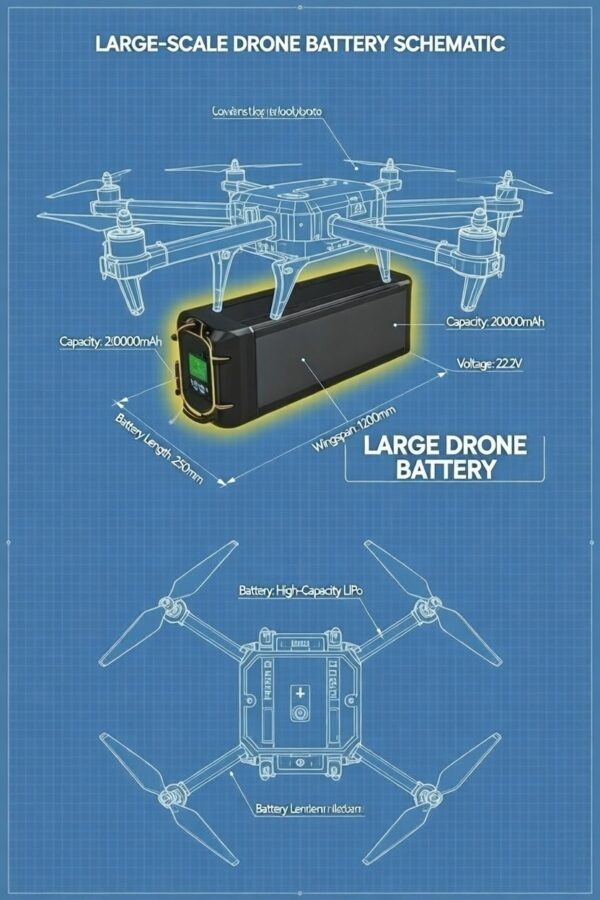
The most critical factor in pipeline monitoring is the battery’s energy density, which directly determines flight duration and operational range. Pipeline routes often span hundreds of kilometers, requiring drones to cover vast distances without frequent recharging. Standard drone batteries typically offer 25-35 minutes of flight time, insufficient for comprehensive pipeline inspections. High-performance batteries, however, achieve energy densities of 250-300 Wh/kg, extending flight time to 45-60 minutes—enabling single-flight coverage of 15-20 km of pipeline.
For example, a recent case study by the American Society of Mechanical Engineers (ASME) demonstrated that a drone equipped with a high-energy-density battery reduced inspection time by 40% for a 50-km pipeline segment in the Texas Panhandle. This not only accelerated the inspection process but also minimized the need for ground crews, significantly lowering operational costs.
2. Temperature Resilience for All-Weather Operations
Pipeline monitoring often occurs in extreme environmental conditions, from -30°C in Arctic regions to +50°C in desert pipelines. Standard lithium-polymer batteries suffer from reduced capacity and potential thermal runaway in these conditions. High-performance drone batteries incorporate advanced thermal management systems and specialized electrolytes that maintain efficiency across a -40°C to +60°C range.
A 2022 study published in the Journal of Energy Storage revealed that drone batteries with temperature-adaptive technology retained 92% of their capacity at -25°C, compared to just 58% for conventional batteries. This resilience allows for consistent pipeline monitoring year-round, eliminating weather-related inspection delays. CNS Battery’s modular battery systems, designed with thermal regulation technology, have been successfully deployed in Alaska’s North Slope pipeline inspections, ensuring uninterrupted monitoring even in sub-zero temperatures.
3. Enhanced Safety Features for Operational Reliability
Safety is paramount in pipeline monitoring, where drone failures could lead to costly accidents or data loss. High-performance drone batteries feature multiple safety mechanisms, including:
- Overcharge protection
- Short-circuit prevention
- Thermal runaway mitigation
- Cell balancing technology
The Federal Aviation Administration (FAA) reports that battery-related drone incidents decreased by 68% after the adoption of these safety features in commercial operations. CNS Battery’s proprietary safety protocols, certified to ISO 9001 standards, have been instrumental in preventing potential incidents during pipeline inspections in volatile environments. Their batteries incorporate a multi-layer safety system that continuously monitors cell conditions, automatically shutting down if any anomaly is detected.
4. Rapid Charging Capability for Continuous Operations
Time is money in pipeline monitoring, and downtime for battery recharging can significantly impact inspection schedules. High-performance drone batteries support fast-charging technology, reducing recharge time from 4-6 hours to as little as 45 minutes. This capability allows for multiple inspection flights within a single workday, maximizing operational efficiency.
For instance, a major oil pipeline operator in the Middle East implemented CNS Battery’s rapid-charging solution, increasing daily inspection capacity from 3 flights to 8 flights per drone. This 167% increase in productivity translated to a 30% reduction in overall inspection costs. The ability to quickly recharge batteries ensures that drone operations can maintain continuous monitoring schedules without extended downtime.
5. Customization and Compatibility with Existing Systems
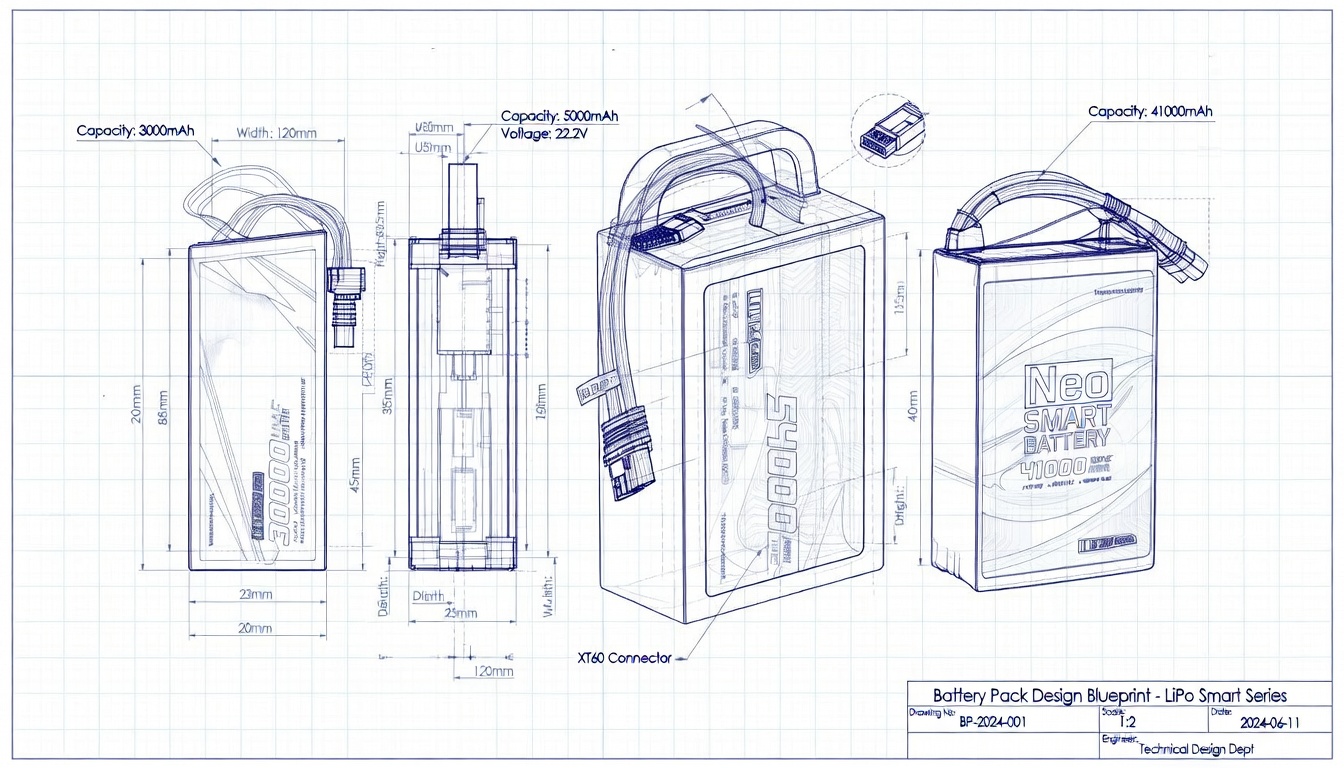
Every pipeline monitoring operation has unique requirements, making off-the-shelf batteries inadequate for optimal performance. High-performance drone batteries must offer customization options to match specific drone models, payload requirements, and operational parameters. CNS Battery specializes in providing tailored battery solutions that integrate seamlessly with existing drone systems.
A successful implementation example comes from a European pipeline network that required batteries with a specific form factor to accommodate their custom inspection payloads. CNS Battery developed a modular battery system that perfectly fit the drone’s design while providing 20% more capacity than standard solutions. This customization not only improved flight time but also enhanced the overall stability of the drone during inspection flights.
Implementing the Right Solution for Your Pipeline Monitoring Needs
Selecting the right drone battery for pipeline monitoring isn’t just about choosing the highest capacity model—it’s about finding a solution that addresses your specific operational challenges. Start by assessing your pipeline’s environmental conditions, inspection requirements, and existing drone fleet. Consider factors such as:
- Average pipeline temperature range
- Typical inspection distance per mission
- Required payload weight
- Operational hours per day
- Current battery performance limitations
Based on these factors, you can determine which battery features are most critical for your operation. For instance, if you operate in extreme cold, prioritize temperature resilience. If your pipelines are in remote locations, focus on extended flight time and rapid charging capabilities.
Take the Next Step for Your Pipeline Monitoring Operations
The right drone battery can transform your pipeline monitoring from a time-consuming, costly process into a seamless, efficient operation. With CNS Battery’s customized drone battery solutions, you gain access to high-performance, reliable power systems designed specifically for the demanding conditions of pipeline inspection.
Don’t let battery limitations hold back your pipeline monitoring capabilities. Visit our contact page to get a free, no-obligation quote for your specific needs. Our team of battery specialists will work with you to identify the optimal solution that maximizes your drone’s operational efficiency while ensuring safety and reliability.
Contact us today to schedule a consultation and discover how our high-performance drone batteries can elevate your pipeline monitoring operations to new heights. With our proven track record in delivering custom battery solutions for global pipeline networks, we’re ready to power your next successful inspection mission.