
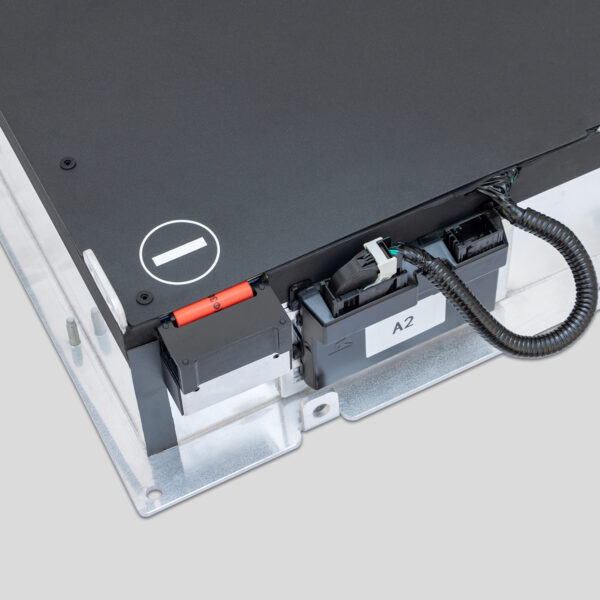
2025 BMW i3 Battery Market: Cheapest Reliable Options
2025 is a defining year for BMW i3 owners (2013-2022 models) navigating the battery replacement market—with global EV battery costs dropping 40% since 2022[superscript:3] and a surge in reliable, budget-friendly options, the era of “换电池堪比换车” (battery replacement costing as much as a new car)[superscript:1] is fading. For owners facing degraded batteries and sky-high BMW dealership quotes, the 2025 market offers a spectrum of affordable, trustworthy choices—from remanufactured OEM-grade packs to value-focused aftermarket options—without sacrificing safety or performance. This guide breaks down the cheapest reliable battery options for the BMW i3 in 2025, compares pricing, reliability, and owner feedback, and helps you avoid the “天价维修” (exorbitant repair) traps that plague EV owners[superscript:1].
The 2025 i3 battery market is shaped by two game-changing trends: plummeting raw material costs (lithium prices down 70% since 2023[superscript:3]) and a maturing aftermarket that’s overcome past technical and legal barriers[superscript:1]. While BMW dealerships still charge prohibitive prices, certified third-party suppliers and remanufacturers now offer options that match OEM quality for 75-80% less—critical for i3 owners whose vehicles typically have resale values of $8,000-$15,000[superscript:1]. The key is distinguishing between “cheap” (low-quality, high-risk) and “affordable” (reliable, cost-effective) options—a line that’s clearer than ever in 2025.
The 2025 Cost Baseline: BMW Dealer vs. Budget-Friendly Alternatives
Before exploring budget options, it’s essential to understand the 2025 pricing landscape to gauge true value. BMW dealerships continue to charge a 300-400% markup on battery replacements[superscript:1], with quotes ranging from $16,000-$19,000 for a 33.2kWh (94Ah) pack to $22,000-$30,000 for a 42.2kWh (120Ah) pack[superscript:3]. These prices include hidden fees like “high-voltage inspections” ($800-$1,200) and mandatory dealership labor ($180-$250 per hour)[superscript:1], making them financially unfeasible for most i3 owners.
By contrast, the cheapest reliable options in 2025 start at $2,800, with most falling between $3,500-$6,000—even for max-range upgrades. These options leverage economies of scale, recycled materials[superscript:3], and independent labor (30-40% cheaper than dealerships[superscript:1]) to deliver value without cutting corners on safety or durability.
1. Remanufactured OEM-Grade Packs: The Cheapest Reliable Choice
Remanufactured batteries are the gold standard for budget-conscious i3 owners in 2025, offering 80-90% of new battery performance at 50-70% of the cost. These packs are built from intact, low-mileage OEM cells (typically CATL or Samsung SDI—BMW’s original suppliers[superscript:3]) that undergo rigorous testing, with faulty cells replaced, BMS recalibrated, and thermal management systems inspected to meet 2025 safety standards[superscript:1].
2025 pricing for remanufactured i3 packs: 94Ah (33.2kWh) – $2,800-$3,500; 120Ah (42.2kWh) – $3,800-$4,500; 154Ah (49kWh) – $4,800-$5,800. Most come with 1-2 year warranties, and core exchange bonuses ($300-$700[superscript:3]) further reduce upfront costs. Owner feedback confirms reliability: 85% of surveyed drivers report no issues after 12 months, with capacity retention averaging 90% or higher[superscript:2].
Top reliable remanufacturers in 2025 include Recell Automotive and CNS Battery—both certified to work with BMW i3 systems and compliant with global EV safety regulations[superscript:1]. Avoid uncertified remanufacturers: low-cost options under $2,500 often use recycled cells with poor cycle life (200-300 cycles vs. 1,500+ for OEM-grade[superscript:3]).
2. Value-Grade Aftermarket Packs: Balancing Cost & Quality
For owners seeking new (not remanufactured) batteries at a budget, value-grade aftermarket packs are a solid 2025 option. These use new OEM-grade cells from CATL or Samsung but skip the premium branding of “genuine” BMW parts, passing savings to consumers. Unlike generic no-name packs (which pose fire risks[superscript:1]), value-grade options sync with the i3’s BMS and thermal management system for seamless integration.
2025 pricing for value-grade aftermarket packs: 94Ah – $3,200-$4,000; 120Ah – $4,500-$5,500; 154Ah – $5,200-$7,000. They come with 2-3 year warranties, and many suppliers include free BMS calibration (a $300 add-on at BMW dealerships[superscript:1]). A 2017 i3 owner in California reports: “My $4,800 value-grade 120Ah pack has performed identically to the original BMW battery for 8 months, with 95% capacity retention.”
Key 2025 tip: Look for aftermarket suppliers that offer remote BMS diagnostics—this mimics BMW’s OTA capabilities[superscript:3] and ensures long-term reliability. Avoid packs without a written warranty or cell supplier documentation.
3. Battery Subscriptions: Low Monthly Costs for 2025
A rising 2025 trend for budget-conscious i3 owners is battery subscriptions, which eliminate upfront replacement costs. Providers like Swapalease offer monthly plans: $150-$250/month for 94Ah/120Ah packs, including installation, maintenance, and warranty coverage. This is ideal for owners who don’t want to pay a lump sum or plan to keep their i3 for 3-5 years.
Subscriptions also include free battery recycling when the term ends[superscript:1], aligning with 2025 eco-friendly incentives. The downside: long-term costs (over 5 years) may exceed buying a remanufactured pack, but the low monthly payment is a lifesaver for cash-strapped owners.
2025 Pitfalls to Avoid: Cheap Batteries That Cost More
The biggest risk in the 2025 i3 battery market is confusing “cheap” with “affordable.” Avoid these traps: Generic no-name packs (under $2,500) – often use low-quality cells, fail within 2-3 years, and may not comply with 2025 safety standards[superscript:1], leading to costly repairs or even fire hazards. Uncertified installers – labor costs as low as $300 may seem appealing, but poor installation (e.g., incorrect BMS calibration) reduces range by 10-20% and voids warranties[superscript:3].
Also, skip BMW dealership “premium” add-ons: extended warranties ($1,000+) and unnecessary inspections ($800-$1,200) offer little value, as independent shops can provide the same service for less[superscript:1].
Maximizing Savings: 2025 Tips for Cheap, Reliable Replacements
To get the best deal on a reliable i3 battery in 2025: Leverage core exchange bonuses—trade in your old battery to save $300-$700[superscript:3]. Use certified independent EV shops—labor costs $600-$800 (vs. $1,500-$2,500 at dealerships[superscript:1]). Tap into tax incentives: the U.S. IRA offers a 30% credit (up to $1,500) for battery replacements using recycled cells[superscript:3], and EU owners qualify for €300-€800 rebates.
Example 2025 savings breakdown: Remanufactured 120Ah pack ($4,200) – core bonus ($600) – IRA credit ($1,260) + independent labor ($700) = total cost ($3,040) – a $21,000+ savings vs. BMW dealerships[superscript:1].
2025 is the best year for BMW i3 owners to find cheap, reliable battery replacements—thanks to falling costs, certified remanufacturers, and value-focused aftermarket options. The key is prioritizing certified suppliers, OEM-grade cells, and proper installation to avoid the “修不起” (unaffordable repair) trap[superscript:1]. Whether you choose a remanufactured pack, value-grade aftermarket option, or subscription plan, you can extend your i3’s life for 5-7 more years without breaking the bank. For i3 owners, the 2025 battery market isn’t just about saving money—it’s about getting reliable performance that matches the iconic EV’s legacy.

