2024 Drone Battery Trends: Technical Compatibility for Security and Surveillance Firms
The security and surveillance industry is experiencing a dramatic transformation, with drone technology at the forefront of this evolution. As we navigate through 2024, understanding drone battery trends and technical compatibility has become critical for security firms looking to maximize operational efficiency and maintain competitive advantage.
The Critical Role of Battery Technology in Surveillance Operations
Security and surveillance firms depend on drones for perimeter monitoring, emergency response, and large-area surveillance. The backbone of these operations lies in battery performance. According to industry data, battery-related issues account for nearly 35% of drone operational downtime in security applications.
Key Performance Metrics for 2024
- Energy Density: Modern lithium polymer batteries now achieve 250-280 Wh/kg, enabling extended flight times
- Charge Cycles: Premium drone batteries support 500+ charge cycles while maintaining 80% capacity
- Temperature Tolerance: Operating ranges have expanded to -20°C to 60°C for all-weather deployment
- Fast Charging: New technologies enable 80% charge in under 30 minutes
Technical Compatibility Considerations for Security Firms
Voltage and Connector Standards
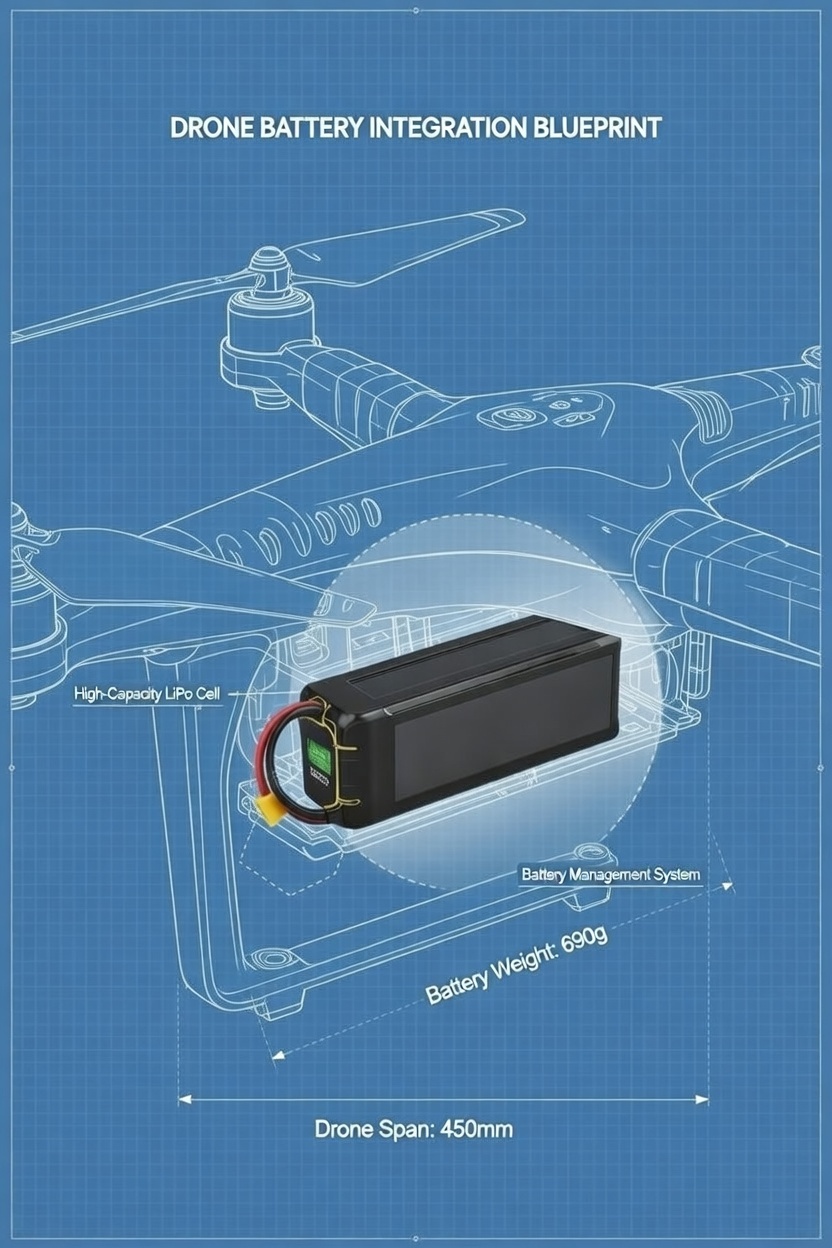
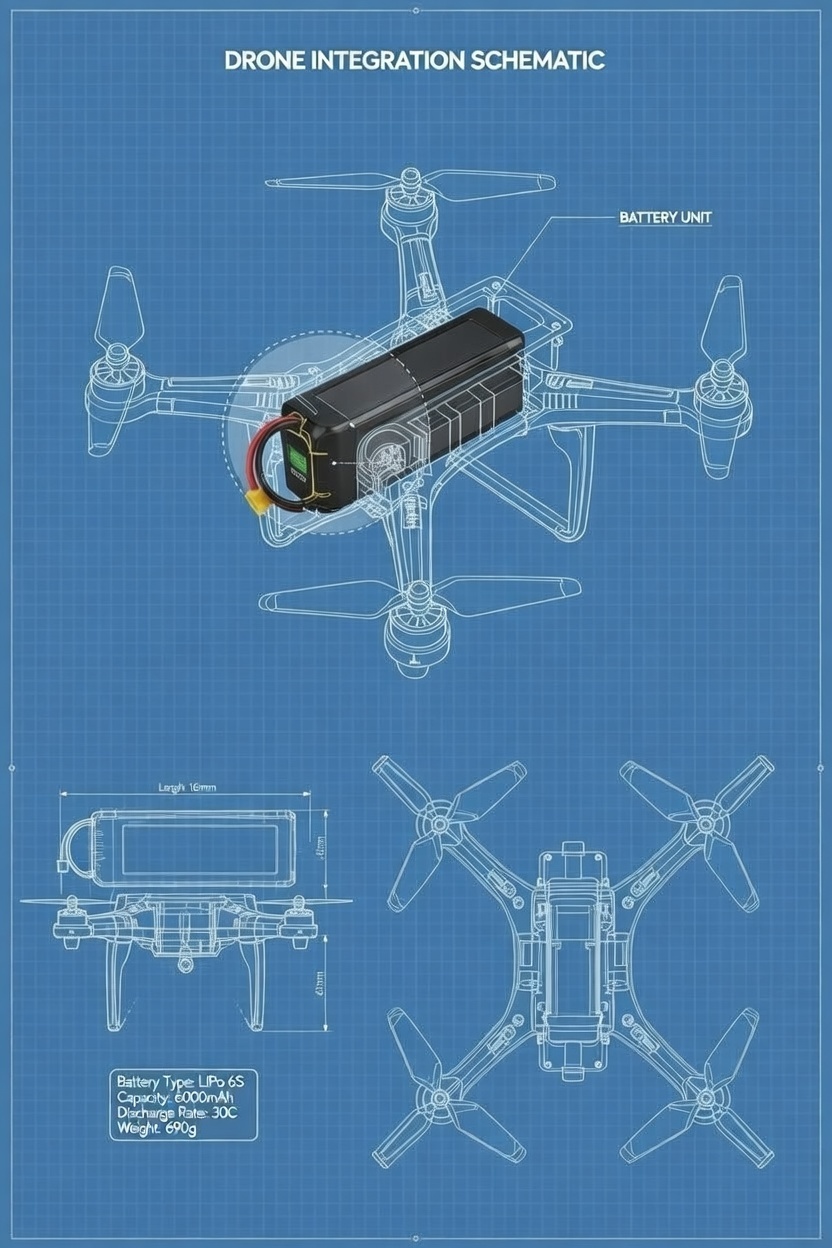
Security firms operating multiple drone platforms must navigate various voltage requirements. The industry standard has shifted toward 6S (22.2V) and 12S (44.4V) configurations for professional surveillance drones. Ensuring battery compatibility across your fleet reduces operational complexity and maintenance costs.
Communication Protocols
Smart battery management systems now incorporate advanced communication protocols:
- CAN Bus: Enables real-time battery health monitoring
- UART: Facilitates data exchange between battery and flight controller
- I2C: Supports peripheral device integration for specialized surveillance equipment
Weight-to-Power Ratio Optimization
For surveillance operations requiring extended loiter time, the weight-to-power ratio becomes crucial. 2024 trends show a 15% improvement in this metric compared to previous generations, directly translating to longer mission durations without compromising payload capacity.
Emerging Battery Technologies Reshaping Security Operations
Solid-State Battery Development
Solid-state batteries represent the next frontier in drone power solutions. While still in early adoption phases, they offer:
- Enhanced safety with reduced fire risk
- Higher energy density potential
- Extended operational lifespan
- Better performance in extreme temperatures
Hybrid Power Systems
Combining traditional lithium batteries with fuel cell technology extends flight times significantly. Security firms conducting long-duration surveillance missions benefit from hybrid systems that can double operational time without increasing battery weight proportionally.
Swappable Battery Ecosystems
Rapid battery swapping capabilities have become essential for continuous surveillance operations. Firms implementing swappable battery systems report 40% increased operational uptime during critical monitoring periods.
Best Practices for Battery Management in Security Applications
Storage and Maintenance Protocols
Proper battery maintenance extends lifespan and ensures reliability during critical operations:
- Store batteries at 40-60% charge for long-term storage
- Maintain storage temperatures between 15-25°C
- Perform monthly capacity checks during inactive periods
- Rotate battery usage to prevent uneven wear
Charging Infrastructure Requirements
Security firms must invest in appropriate charging infrastructure:
- Dedicated charging stations with fire suppression systems
- Balanced charging capabilities for multi-cell packs
- Temperature monitoring during charging cycles
- Separate charging areas away from operational zones
Performance Monitoring and Data Analytics
Implementing battery health monitoring systems enables predictive maintenance. Track metrics including:
- Internal resistance changes over time
- Voltage sag under load conditions
- Temperature profiles during operation
- Charge acceptance rates
Regulatory Compliance and Safety Standards
Aviation Authority Requirements
Security firms must comply with evolving aviation regulations regarding battery transportation and operation. The FAA and EASA have updated guidelines for commercial drone battery usage, requiring documentation of battery specifications and safety certifications.
Industry Certifications
Look for batteries with relevant certifications:
- UN38.3: Transportation safety certification
- CE Marking: European compliance standards
- UL Certification: Safety testing verification
- IP Ratings: Environmental protection levels
Cost-Benefit Analysis for Battery Investment
Total Cost of Ownership
When evaluating battery solutions, consider the complete lifecycle costs:
| Factor | Budget Option | Premium Option |
|---|---|---|
| Initial Cost | $200-400 | $600-1000 |
| Cycle Life | 300 cycles | 800+ cycles |
| Warranty | 6 months | 24 months |
| Performance Degradation | 20% after 200 cycles | 10% after 500 cycles |
ROI Considerations
Premium battery investments typically show positive ROI within 12-18 months through reduced replacement frequency, decreased downtime, and improved mission success rates.
Future Outlook: 2025 and Beyond
Industry analysts predict continued innovation in drone battery technology. Security firms should prepare for:
- Integration with AI-powered battery management systems
- Wireless charging capabilities for autonomous drone stations
- Enhanced recycling programs for sustainable operations
- Standardization efforts across manufacturer platforms
Frequently Asked Questions
Q: How often should security firms replace drone batteries?
A: Professional surveillance drones typically require battery replacement after 500-800 charge cycles or when capacity drops below 80% of original specifications. Regular testing helps determine optimal replacement timing.
Q: What battery capacity is recommended for extended surveillance missions?
A: For missions exceeding 30 minutes, consider batteries with 10,000mAh or higher capacity. Always factor in payload weight and environmental conditions when calculating expected flight time.
Q: Can different battery brands be used interchangeably?
A: While physically compatible batteries may exist, we recommend using manufacturer-specified batteries to ensure optimal performance and maintain warranty coverage. Third-party options should meet identical specifications.
Q: How does temperature affect battery performance in outdoor surveillance?
A: Extreme temperatures significantly impact battery performance. Cold conditions reduce available capacity by up to 30%, while excessive heat accelerates degradation. Invest in temperature-appropriate battery solutions for your operational environment.
Q: What safety protocols should be implemented for battery storage?
A: Establish dedicated storage areas with fire suppression systems, maintain proper ventilation, avoid stacking batteries, and implement regular inspection schedules. Train all personnel on emergency procedures.
Taking Action: Optimize Your Surveillance Operations Today
The landscape of drone battery technology continues evolving rapidly. Security and surveillance firms that stay ahead of these trends gain significant operational advantages. Understanding technical compatibility ensures your investment delivers maximum value while maintaining safety and reliability standards.
Don’t let battery limitations constrain your operational capabilities. Partner with experienced providers who understand the unique demands of security applications.
Ready to enhance your drone fleet’s performance?
Explore our industrial drone battery specifications to find solutions matching your operational requirements.
Learn battery maintenance best practices to maximize your investment and ensure reliable performance.
For personalized consultation on battery compatibility and fleet optimization, contact our team today.
Visit our homepage to discover comprehensive solutions designed for security and surveillance professionals.
This guide reflects current industry standards and trends as of 2024. Technology continues evolving, and security firms should maintain ongoing education to stay current with best practices and emerging solutions.