Here is the SEO-optimized article based on the provided guidelines and reference materials.
Your Guide to BMW i3 Battery Performances
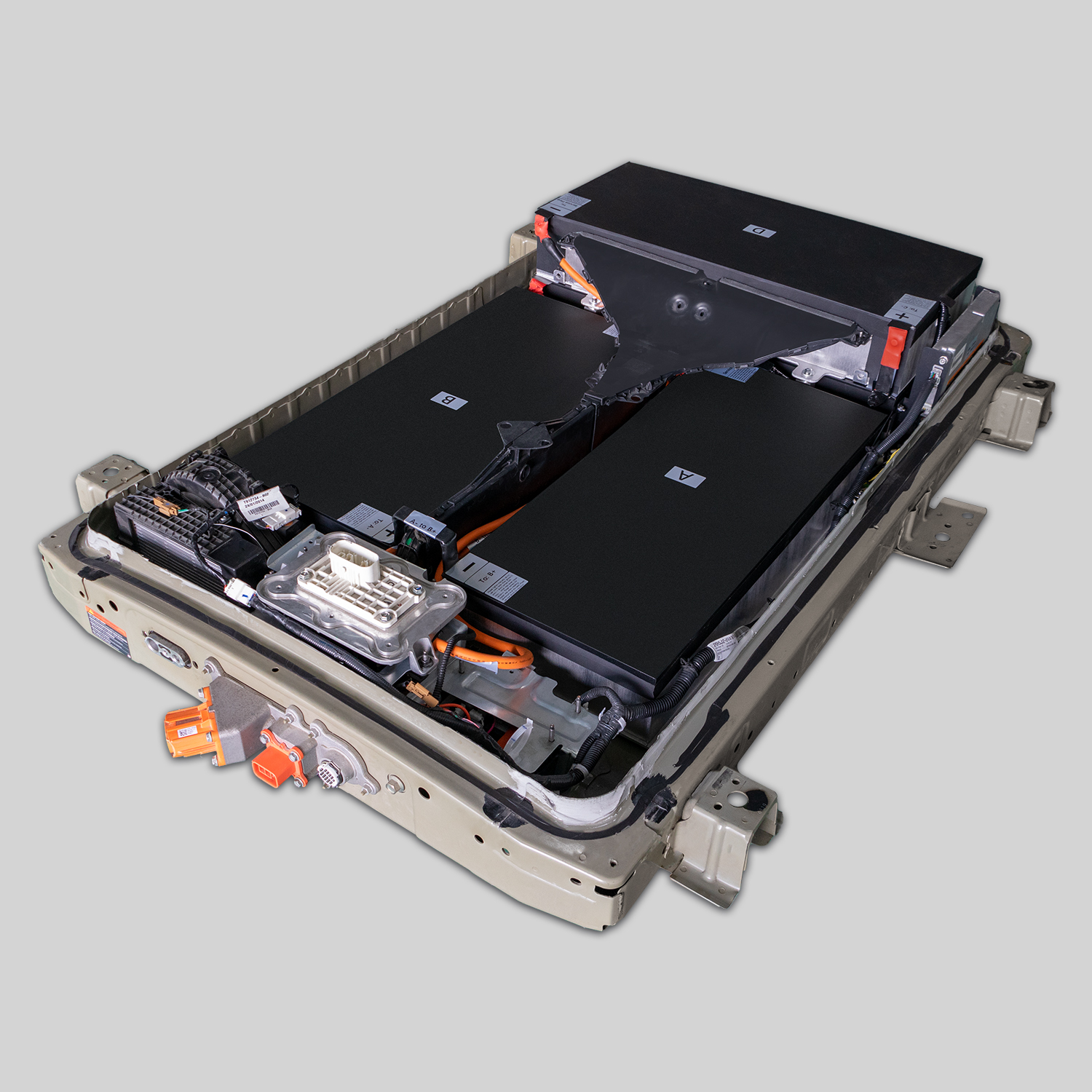
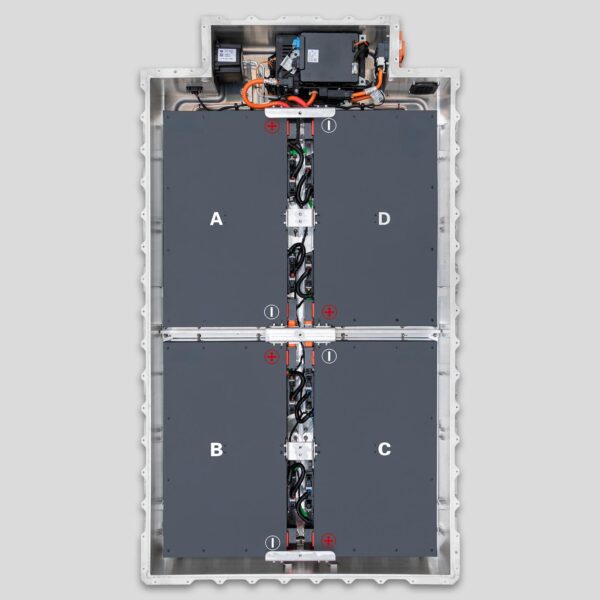
The BMW i3, a pioneer in the premium electric vehicle segment, is known for its innovative design and driving dynamics. However, like all electric vehicles, the battery pack is the heart of the machine. If you are noticing a drop in range, warning lights on the dashboard, or simply want to understand your options for a replacement, you are not alone. As the vehicle ages, battery degradation becomes a reality for many owners. This guide provides a deep dive into the performance metrics, replacement options, and the specific advantages of upgrading with modern aftermarket solutions.
Understanding the BMW i3 Battery Variants
The performance of your BMW i3 is directly tied to the specific generation of the battery pack installed in your vehicle. Over the years, BMW has utilized different chemistries and capacities, leading to distinct performance characteristics.
- The 60 Ah / 22 kWh Standard Range: Found in early models (2014-2016), this pack offered a modest range. Owners often report significant degradation over time, making this the most common candidate for replacement.
- The 94 Ah / 33 kWh Upgrade: Introduced as a mid-cycle refresh, this pack offered a notable improvement in energy density. While more robust than the original, these cells are also susceptible to wear after years of use.
- The 120 Ah / 42 kWh (or 45 kWh) High Capacity: The pinnacle of the i3’s standard battery lineup, offering the best range and longevity. However, finding a cost-effective replacement for this specific chemistry can be challenging.
Understanding which variant your vehicle requires is the first step in maintaining its performance legacy.
Performance Metrics: What to Expect
When evaluating a new battery, whether OEM or aftermarket, performance is defined by three core metrics: range, charging speed, and thermal management.
1. Real-World Driving Range
The advertised range is often based on ideal laboratory conditions. In real-world scenarios, factors like weather, driving style, and auxiliary systems (heating/AC) play a massive role.
- Cold Weather Performance: Lithium-ion batteries are less efficient in low temperatures. A high-quality replacement should maintain at least 70% of its rated capacity in freezing conditions.
- Highway vs. City: The i3 excels in city driving. On highways, aerodynamic drag and constant high-speed discharge reduce range. A new, high-capacity pack can significantly restore the “fun to drive” factor on the open road.
2. Charging Speed and Efficiency
Modern battery technology has advanced significantly since the i3’s initial launch. Newer replacement solutions often utilize cells with lower internal resistance. This translates to:
- Faster DC Charging: Reduced charging times at public stations.
- Higher Efficiency: More miles added per kilowatt-hour consumed.
3. Thermal Management
The original BMW i3 battery relies on a specific thermal management system to keep the cells within an optimal temperature window. Any replacement battery must be compatible with this system to ensure safety and prevent thermal runaway.
The Replacement Dilemma: OEM vs. Aftermarket
When the time comes to replace the battery, owners face a tough decision. The official BMW replacement is often prohibitively expensive, sometimes costing as much as the vehicle itself. This has led many drivers to explore the aftermarket.
The Cost Barrier
Original equipment manufacturer (OEM) batteries carry a significant brand premium. For a vehicle that is no longer in production, spending upwards of $15,000 USD on a new pack is often not financially viable.
The Aftermarket Solution
This is where specialized manufacturers step in. Companies like CNS BATTERY focus on providing OEM-compatible solutions that meet the rigorous standards required by a BMW. These solutions utilize brand-new, high-grade cells (such as those from CATL) to ensure the performance matches or exceeds the original specifications, but at a fraction of the cost.
Why Choose a CNS BATTERY Replacement?
At CNS BATTERY, we understand the emotional and financial investment in a BMW i3. Our replacement solutions are engineered specifically for the i3’s unique powertrain requirements.
1. Superior Cell Technology
We do not use recycled or refurbished cells. Every CNS BATTERY pack is assembled using brand-new, high-quality lithium-ion cells sourced from top-tier manufacturers like CATL. This ensures maximum energy density, longevity, and safety.
2. Precision Engineering for BMW
Our packs are designed to be plug-and-play. They are engineered to communicate seamlessly with the BMW i3’s Battery Management System (BMS) and thermal management system. There is no need for modifications to the vehicle’s wiring or chassis.
3. Unbeatable Value and Warranty
We believe in making EV ownership sustainable. Our solutions are priced at approximately 50% less than the original manufacturer’s price. Furthermore, we back our confidence in quality with a comprehensive warranty—typically 2 years or 80,000 km—which covers manufacturing defects and performance degradation, ensuring you are protected on every drive.
Extending the Life of Your New Battery
Once you have installed a new battery, maintaining its health is crucial for long-term performance.
- Avoid Deep Discharges: Try not to let the battery drop below 10-15% regularly. Lithium-ion batteries prefer shallow discharge cycles.
- Temperature Management: If possible, park in a garage during extreme winters or summers. Extreme temperatures are the enemy of battery longevity.
- Storage: If the vehicle is not being used for an extended period, store the battery at around 50% charge. This prevents the cells from entering a deep sleep mode or degrading rapidly.
Conclusion
The BMW i3 is a car that defied convention, and it deserves a battery solution that defies the high costs of obsolescence. By understanding the performance characteristics of the different battery variants and choosing a high-quality, compatible replacement, you can breathe new life into your electric driving experience. With the right care and a reliable power source, your i3 can continue to deliver the premium performance BMW is known for.
Frequently Asked Questions (FAQ)
1. How do I know if my BMW i3 battery needs replacing?
Signs include a significant drop in range (e.g., losing more than 30% of the original capacity), the battery warning light staying on, or the vehicle entering “limp mode” where it restricts power to protect the cells. A diagnostic scan at a repair shop can confirm the health of the cells.
2. Is it safe to use an aftermarket battery in my BMW i3?
Yes, provided you choose a reputable manufacturer. CNS BATTERY solutions are rigorously tested to meet OEM safety standards. They utilize new cells with built-in Battery Management Systems (BMS) that communicate correctly with the vehicle to prevent overcharging or overheating.
3. How long does a replacement BMW i3 battery last?
A high-quality replacement battery using new cells can last anywhere from 8 to 10 years, or 150,000 to 200,000 miles, depending on driving habits and climate conditions. Proper maintenance, such as avoiding extreme temperatures and deep discharges, significantly extends lifespan.
4. Can I install the battery myself?
While it is technically possible, we strongly recommend having the battery installed by a certified technician. The process involves handling high-voltage components and requires specific tools and safety gear (like insulated gloves). However, our packs are designed for straightforward installation, and we provide detailed video guides and technical support to assist professionals.
5. What is the price difference between an OEM and a CNS BATTERY replacement?
The price difference is substantial. An OEM replacement can cost upwards of $15,000 USD. In contrast, a CNS BATTERY replacement offers the same performance and safety standards for roughly 50% less, making it a financially viable option for most owners.
6. Do you offer international shipping?
Yes, we support international sales to over 50 countries. We handle customs compliance and offer DDP (Delivered Duty Paid) services for most regions. However, due to the classification of lithium batteries as dangerous goods, specific shipping regulations apply. Please contact our team for a customized shipping solution to your country.
Ready to restore your BMW i3 to its former glory? Get a Free Custom Quote Today and speak with our technical experts about the best battery solution for your vehicle.