Your Guide to BMW i3 Battery Diagnostics
As a dedicated owner of the BMW i3, you understand the unique joy of driving an electric vehicle that blends urban agility with premium engineering. However, like any sophisticated machine, the i3 requires specific care, especially when it comes to its high-voltage battery pack. At CNS BATTERY, we have spent over a decade specializing in OEM-compatible powertrain solutions for premium EVs. We know that when your dashboard lights up with a warning or the range drops unexpectedly, it can be stressful. This guide is designed to empower you with the knowledge to perform basic diagnostics, understand the health of your battery, and make informed decisions about repairs or replacements.
Understanding the Anatomy of Your BMW i3 Battery
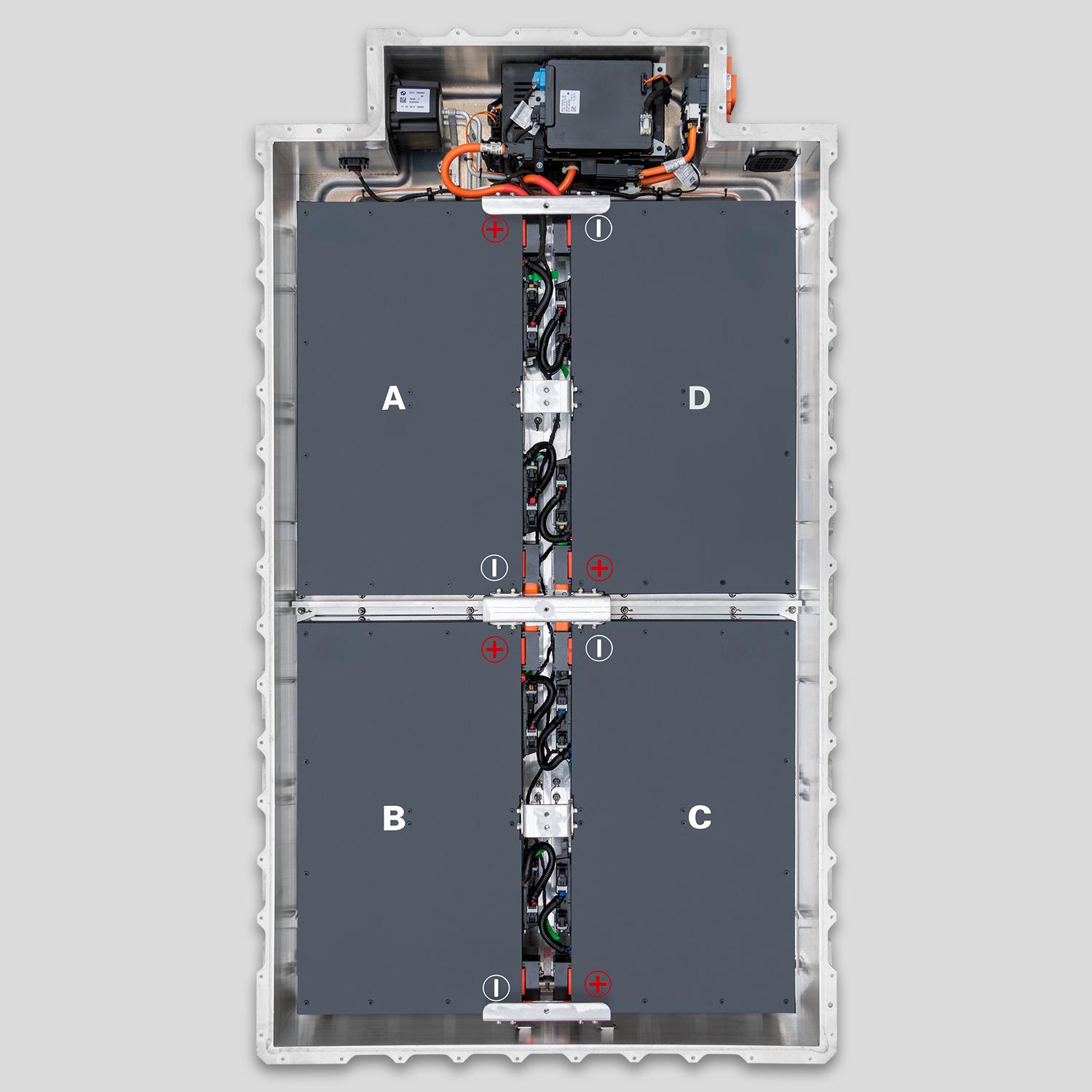
Before diving into diagnostics, it is crucial to understand what you are dealing with. The BMW i3 utilizes a high-voltage lithium-ion battery pack, typically located under the passenger compartment. This pack is not just a collection of cells; it is a complex system consisting of:
- Battery Cells: The core energy source, usually in a high-energy-density chemistry.
- Battery Management System (BMS): The “brain” of the battery that monitors voltage, temperature, and state of charge to ensure safety and longevity.
- Thermal Management System: Ensures the battery operates within an optimal temperature range, critical for performance and lifespan.
When diagnosing issues, we often find that the problem isn’t always the cells themselves. Sometimes, it is a sensor failure, a BMS glitch, or a cooling system blockage. Understanding this helps us target the diagnosis effectively.
Common Symptoms and Diagnostic Steps
When your BMW i3 signals a problem, the first step is to identify the specific symptom. Here are the most common issues and how to approach them:
1. The “Check Control” Light and Reduced Power
If your dashboard displays a “Check Control” message or a yellow battery warning light, and you notice reduced power, this usually indicates a fault code has been triggered.
- Action: Do not ignore this. Use a professional OBD2 scanner capable of reading high-voltage EV systems to pull the fault code. Common codes relate to cell voltage imbalance or temperature sensor faults.
- Expert Insight: At CNS, when we see these codes, we first check the BMS logs. Often, a simple reset or recalibration can resolve the issue if the physical hardware is sound.
2. Sudden Drop in Range (SOH)
If your i3 used to go 100 miles but now struggles to reach 60, your battery is likely suffering from capacity fade.
- Action: Check the “Battery Health” or “State of Health (SOH)” percentage in your vehicle’s menu (if available) or via a diagnostic tool.
- Rule of Thumb: Most lithium-ion batteries degrade naturally. However, if your SOH drops below 70%, the battery is generally considered to be at the end of its viable life and may need replacement.
3. Battery Not Charging
If the charging gun connects but the car does not draw power, the issue could be with the charging port, the onboard charger, or a high-voltage interlock loop (HVIL) fault within the battery.
- Action: Check the charging cable on another vehicle (if possible) to rule out a cable fault. Inspect the charging port for debris or damage.
Advanced Diagnostics: Beyond the Dashboard
For those who want to dig deeper than the dashboard warnings, advanced diagnostics require specific tools and software.
Using ISTA and INPA Software
Professional mechanics and technicians use BMW’s proprietary software, ISTA (Integrated Service Technical Application) or INPA, to communicate directly with the vehicle’s modules. These tools allow us to view real-time data from the BMS, including:
- Individual cell voltages
- Overall pack voltage
- Internal resistance readings
- Temperature sensor readings across the pack
Identifying Cell Imbalance
One of the most common issues in aging BMW i3 batteries is cell imbalance. Over time, individual cells discharge at different rates. If one cell drops significantly lower in voltage than the others during driving, the BMS will cut power to protect the pack.
- Diagnostic Tip: If ISTA shows a large discrepancy in cell voltages (e.g., one cell at 3.0V while others are at 3.8V), the pack likely needs servicing.
When to Repair vs. When to Replace
After performing diagnostics, you will face a decision: repair or replace?
Repair Options
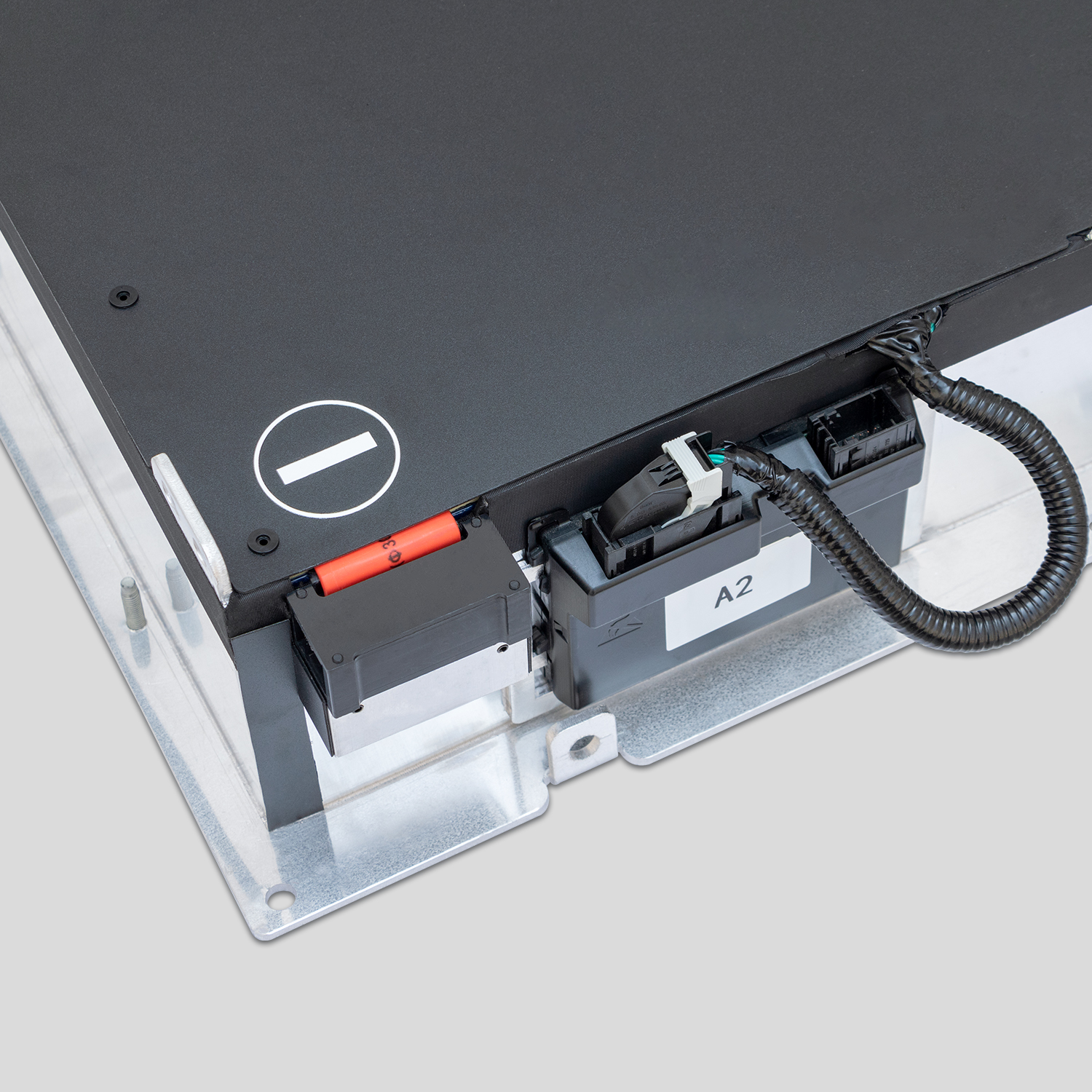
If diagnostics reveal that only a section of the battery modules is faulty, or if specific cells are swollen or dead, a repair might be viable. This involves opening the battery pack (a dangerous task requiring proper safety gear and training) and replacing defective modules.
The Case for Replacement
However, if diagnostics show widespread degradation, low SOH, or a blown main fuse (a common failure point in the i3), a complete replacement is often the safest and most cost-effective solution.
CNS BATTERY Solution
At CNS, we recommend a full replacement when the repair costs approach 50% of the price of a new pack or when safety is in question. Our BMW i3 battery replacements are engineered to OEM standards, utilizing brand-new CATL cells. Unlike refurbished packs that hide internal faults, our new packs offer a 2-year/80,000 km warranty, ensuring you are not diagnosing the same problem again next year.
Safety First: Professional Assistance
Battery diagnostics involve working with high-voltage systems that can be lethal. If you are not a certified EV technician, we strongly advise against opening the battery casing or attempting complex rewiring. Instead, contact a professional service center or consider a direct replacement solution.
If you are experiencing battery issues with your BMW i3 and need a reliable, high-performance solution, contact our technical experts. We offer free compatibility assessments and personalized recommendations to get you back on the road safely.
Contact Our Technical Experts Now
Frequently Asked Questions (FAQ)
Q1: Can I diagnose a BMW i3 battery problem myself?
A: Yes, to a limited extent. You can check the dashboard warning lights and look for menu options that display battery health or range statistics. However, for deep diagnostics like checking individual cell voltages or BMS errors, you will need specialized software (ISTA/INPA) and hardware, which is best left to professionals.
Q2: What is the most common cause of BMW i3 battery failure?
A: The most frequent hardware failure is a blown internal main fuse. Common software/performance issues include cell imbalance and BMS communication errors, often caused by extreme temperature exposure or deep discharging.
Q3: How long should a BMW i3 battery last?
A: With proper care, a BMW i3 battery typically lasts 8-10 years or 100,000 to 150,000 miles. However, factors like frequent DC fast charging and extreme climates can accelerate degradation.
Q4: Is it safe to buy an aftermarket battery for my BMW i3?
A: It is safe if you choose a reputable manufacturer like CNS BATTERY. We specialize in OEM-compatible solutions using brand-new, high-quality cells (CATL), rigorous testing, and comprehensive warranties, ensuring the same level of safety and performance as the original.