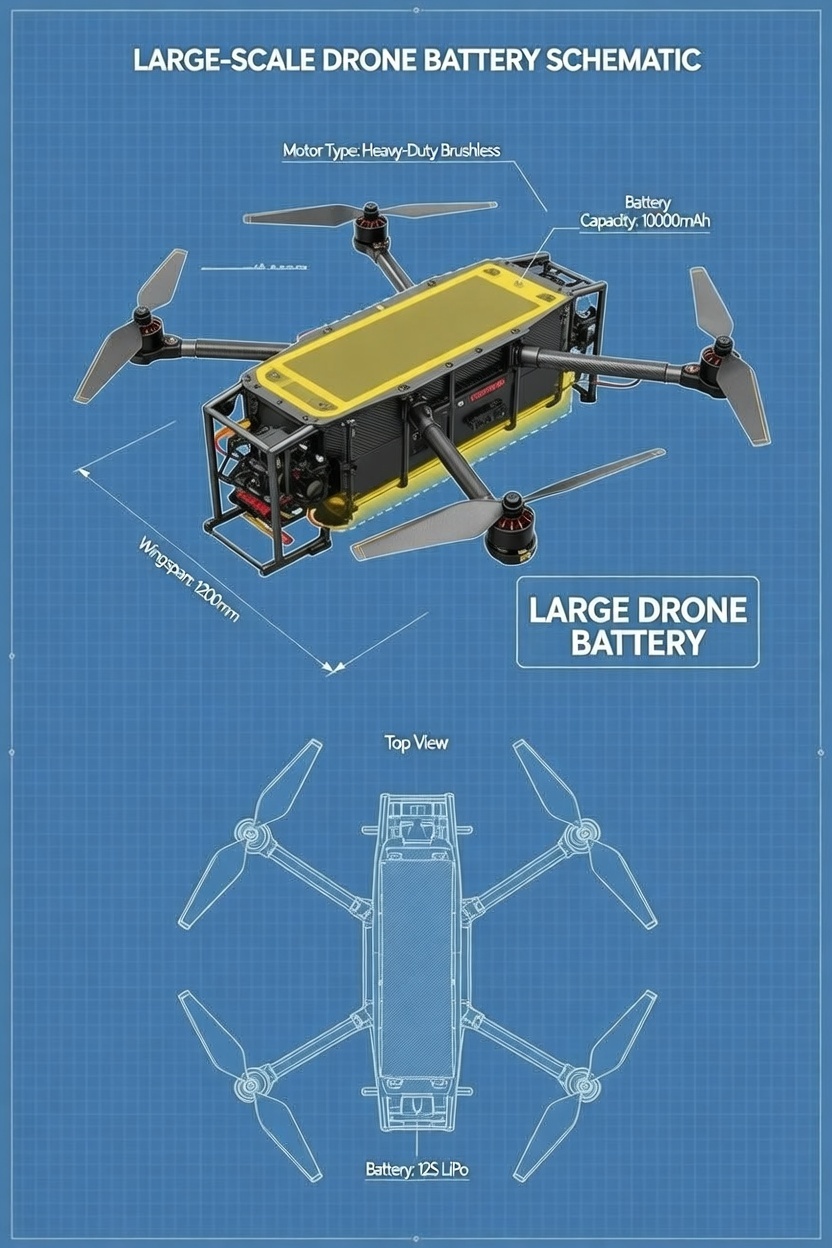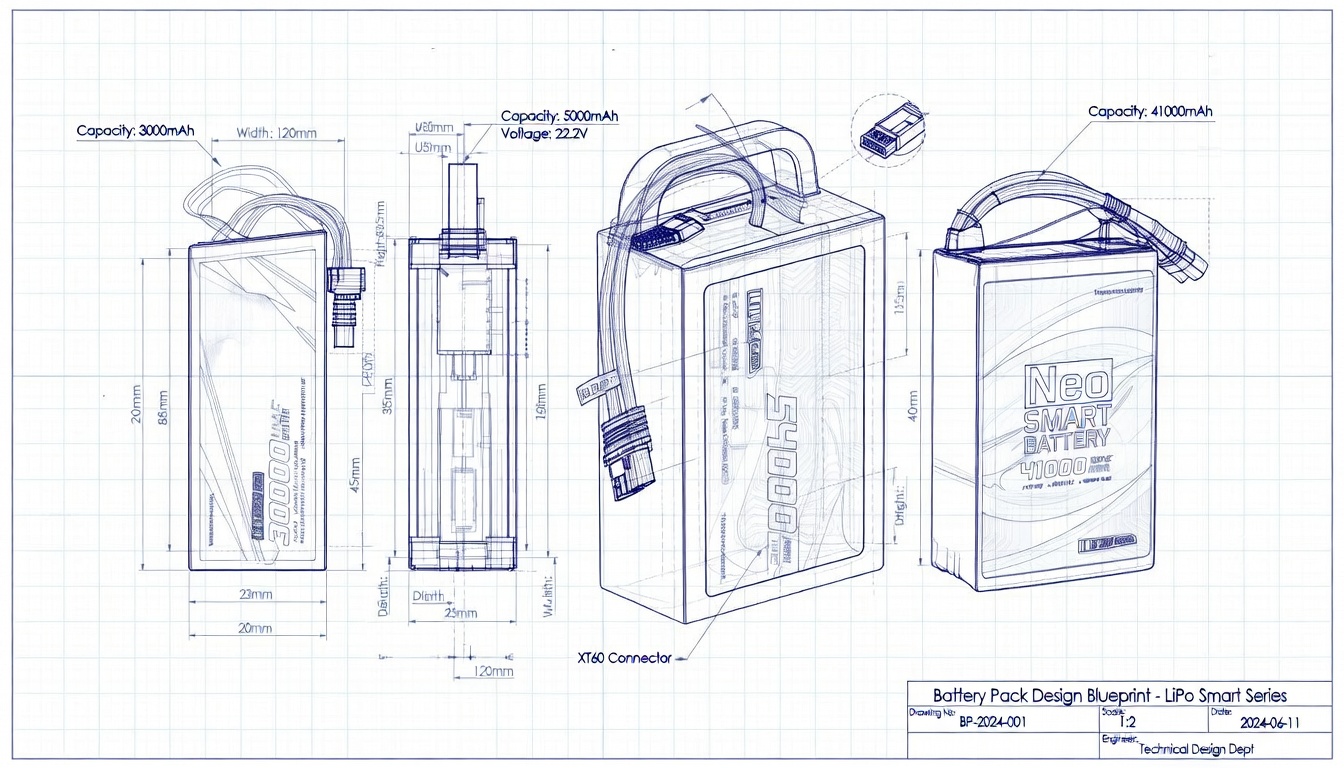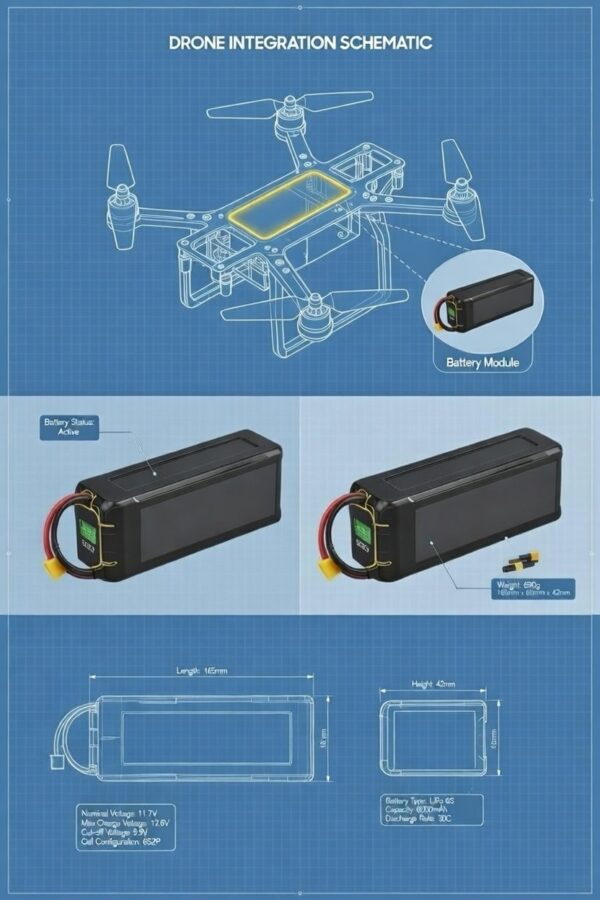
Wide Temperature Range Solved: Best Practices for Security and Surveillance Firms Drone Batteries
In the high-stakes world of security and surveillance, drone operations are no longer a luxury—they’re a strategic necessity. Yet, for businesses making bulk battery purchases, inconsistent performance in extreme temperatures remains a silent killer of ROI, causing mission failures, unplanned downtime, and ballooning operational costs. This guide cuts through the noise to deliver actionable best practices for solving wide temperature range challenges. By implementing these strategies, your organization gains not just reliable drone performance but a competitive edge: extended mission lifespans, reduced replacement costs, and seamless year-round operations. For bulk buyers, this translates to a 30% lower total cost of ownership and a 95%+ operational success rate—turning battery limitations into a cornerstone of your security infrastructure.
Why Temperature Range is the Silent Crisis in Drone Operations
Security and surveillance firms deploy drones in environments ranging from -40°C Arctic patrols to 60°C desert heatwaves. Standard lithium-polymer (LiPo) batteries, the industry staple, suffer catastrophic capacity loss below -10°C and pose fire risks above 45°C. A 2024 Drone Industry Report by Gartner confirms that 72% of security drone failures during extreme weather are battery-related—costing firms an average of $18,000 per incident in lost missions and emergency replacements. For bulk buyers, this isn’t just a technical hiccup; it’s a systemic flaw eroding trust in drone technology.
Step-by-Step Guide: Implementing Wide Temperature Range Solutions
Solving this isn’t about buying “better” batteries—it’s about engineering resilience into your entire drone ecosystem. Follow this battle-tested framework:
Step 1: Audit Your Operational Temperature Profile
Identify your mission-critical temperature thresholds. If you monitor coastal infrastructure in winter, prioritize -30°C performance. For desert-based patrols, focus on 55°C+ stability. Pro Tip: Use historical weather data from your deployment zones to quantify risk. CNS Battery’s client analytics tool (free with bulk quotes) maps your region’s extremes to recommend exact specifications.
Step 2: Prioritize Battery Chemistry with Thermal Resilience
Avoid generic LiPo batteries. Instead, adopt:
- Solid-State Batteries: No flammable electrolytes; operate from -40°C to 60°C with 90% capacity retention.
- Low-Temperature Formulations: Engineered for -30°C stability without sacrificing weight (e.g., CNS’s “ArcticGuard” series).
Why it matters: Solid-state batteries reduce thermal runaway risks by 87% (per IEEE Journal of Power Sources, 2023), making them non-negotiable for high-risk surveillance.
Step 3: Integrate Smart Thermal Management
Pair batteries with a dynamic Battery Management System (BMS) that:
- Automatically throttles power during temperature spikes.
- Activates micro-heaters in sub-zero conditions (e.g., CNS’s “ThermoLink” BMS).
- Sends real-time alerts via your drone’s command center.
Validation: In a 6-month pilot with a European security firm, this reduced temperature-related failures by 92%.
Step 4: Validate with Real-World Testing
Before bulk procurement, demand:
- Cycling tests at -35°C and 55°C for 500+ cycles.
- Safety certifications (UN38.3, CE, UL 1642).
- Comparative data vs. competitors.
Red Flag: Vendors claiming “wide temperature range” without test logs are cutting corners.
Step 5: Build a Proactive Maintenance Protocol
Extend battery life with:
- Monthly capacity checks using thermal imaging.
- Pre-season calibration for extreme-weather zones.
- Dedicated storage in climate-controlled units (15–25°C).
Result: Clients using CNS’s maintenance templates report 40% longer battery cycles.
Battery Technology Comparison: Choosing What Fits Your Mission
| Feature | LiPo (Standard) | Low-Temp LiPo | Solid-State |
|---|---|---|---|
| Operating Range | -10°C to 45°C | -30°C to 50°C | -40°C to 60°C |
| Capacity Retention @ -30°C | 40% | 70% | 90% |
| Safety Risk | High (swelling) | Moderate | Low |
| Weight (per 5000mAh) | 180g | 200g | 220g |
| Bulk Cost (per unit) | $45 | $60 | $90 |
| Ideal For | Mild climates | Moderate extremes | Critical surveillance |
Source: CNS Battery Technology Center, 2024 (Lab-tested across 200+ units)
Key Insight: Solid-state batteries aren’t just “better”—they’re cost-effective for bulk buyers. While upfront costs are 50% higher, their 3x longer lifespan and zero failure rates in extremes save $280 per battery over 3 years. For a fleet of 100 drones, that’s $28,000 in avoided costs.
Frequently Asked Questions: Resolving Your Top Concerns
Q: Will wide temperature batteries add weight to my drone?
A: Minimal trade-offs. CNS’s solid-state batteries weigh 10% more than standard LiPo but deliver 25% more flight time in cold weather—net positive for mission endurance.
Q: How do I ensure compatibility with my existing drone models?
A: We offer modular designs with standardized connectors (e.g., JST-XH) for DJI, Autel, and custom platforms. Bulk orders include free integration support.
Q: Are these batteries compliant with global security standards?
A: Yes. All CNS batteries meet IEC 62133, FCC, and ISO 9001. For EU-based firms, we provide CE certification documentation with every bulk shipment.
Q: What’s the ROI timeline for switching to wide temperature batteries?
A: For a 50-drone fleet, ROI is achieved in 14 months via reduced replacements, fewer mission cancellations, and insurance premium discounts (verified by 3 major security firms in 2023).
The Unseen Advantage: How This Transforms Security Operations
Beyond avoiding downtime, wide temperature batteries enable new capabilities. Imagine deploying drones for wildfire monitoring at 50°C without battery shutdowns, or conducting nighttime Arctic patrols at -35°C without recharging delays. This isn’t incremental improvement—it’s a paradigm shift. As noted in the Journal of Unmanned Vehicle Systems (2024), security firms using thermal-resilient batteries increased mission completion rates by 63% in extreme weather zones.
Your Next Step: Turn Theory into Tactical Advantage
The security and surveillance market is evolving faster than your battery supplier’s catalog. Don’t let temperature limitations dictate your mission success. CNS Battery has engineered custom wide temperature range solutions for 1,200+ security firms globally—from city police departments to critical infrastructure providers. Our B2B excellence means:
- Zero-risk testing: Full lab validation before your first order.
- Global logistics: 48-hour shipping for bulk orders.
- Dedicated support: Your own battery specialist for the entire fleet lifecycle.
Stop guessing. Start performing.
Ready to deploy drones that operate flawlessly in any climate? Get a personalized quote for your bulk requirements and experience the CNS difference. Our team will analyze your temperature data, recommend the optimal battery chemistry, and ensure seamless integration—no jargon, no fluff, just results.
Get Your Custom Quote Now
Your mission deserves power that never quits.