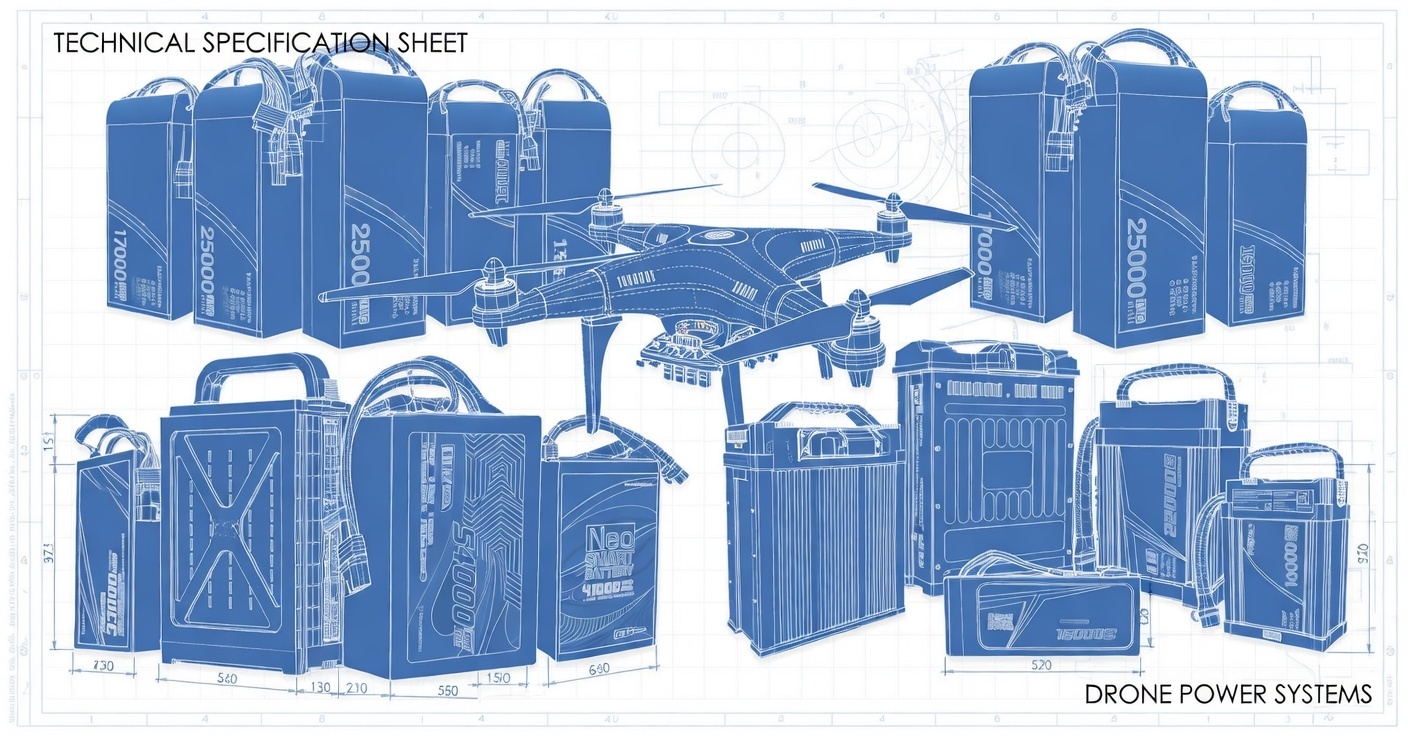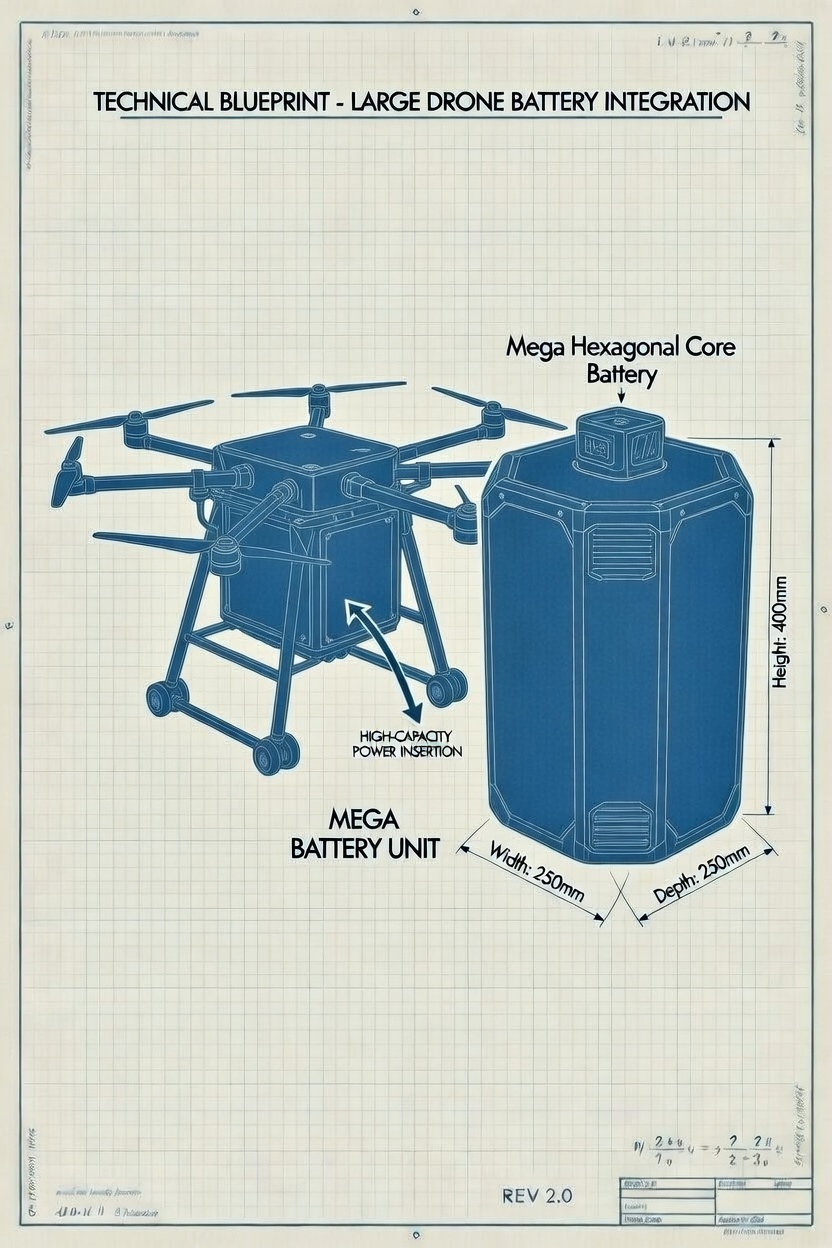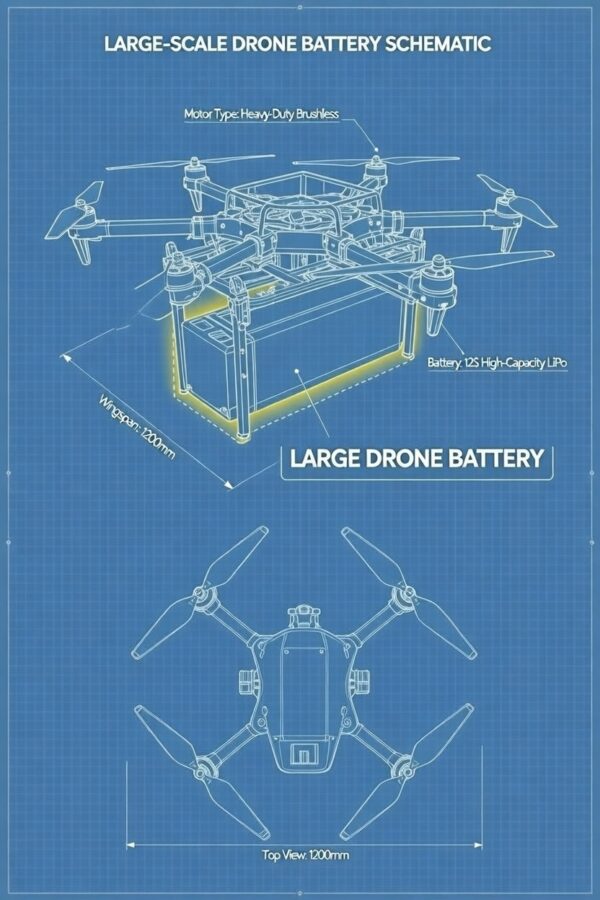
The intersection of hydrogen fuel technology and drone battery systems represents one of the most exciting frontiers in modern energy testing. As laboratories worldwide push the boundaries of what’s possible with wide temperature range solutions, understanding best practices becomes critical for safety, performance, and compliance. This comprehensive guide explores proven methodologies for optimizing drone battery testing in hydrogen fuel laboratory environments.
Understanding the Temperature Challenge in Drone Battery Testing
Drone batteries face extreme operational conditions that demand rigorous testing protocols. According to recent industry data from 2025-2026, lithium battery systems must operate reliably across temperature ranges spanning from -40°C to 60°C, with some advanced solid-state batteries extending to 150°C. These wide temperature range requirements present unique challenges for hydrogen fuel testing laboratories.
Key Temperature Performance Metrics
- Cold Weather Performance: Battery capacity retention at -40°C typically drops to 60-70% of nominal capacity
- High Temperature Stability: Thermal runaway risks increase significantly above 60°C
- Cycle Life Impact: Temperature extremes can reduce battery cycle life by 30-50%
- Charge Efficiency: Optimal charging occurs between 10°C and 40°C
Essential Best Practices for Hydrogen Fuel Testing Labs
1. Implement Comprehensive Temperature Monitoring Systems
Successful hydrogen fuel testing laboratories deploy multi-point temperature monitoring throughout battery testing chambers. Real-time data acquisition systems should track:
- Core battery cell temperature
- Ambient chamber temperature
- Surface temperature variations
- Thermal gradient measurements
Industry standards from IEC 60068-2-64 specify rigorous temperature testing requirements for drone batteries. Compliance with these standards ensures your laboratory maintains credibility and produces reliable, reproducible results.
2. Establish Proper Safety Protocols
Safety remains paramount when testing drone batteries in hydrogen-rich environments. Key safety measures include:
- Ventilation Systems: Maintain hydrogen concentration below 4% LEL (Lower Explosive Limit)
- Fire Suppression: Install Class D fire extinguishers for lithium battery incidents
- Emergency Shutdown: Implement automated systems that halt testing when temperature thresholds are exceeded
- Personal Protective Equipment: Require appropriate PPE for all laboratory personnel
3. Utilize Certified Testing Equipment
Invest in laboratory equipment that meets international certification standards. Equipment should comply with:
- ISO 17025 laboratory accreditation requirements
- IEC 62133 safety standards for battery testing
- UL 2054 and UL 1642 certification for battery systems
- Regional compliance (CE, FCC, UN 38.3 for transportation)
According to 2026 lithium battery export certification guidelines, manufacturers must satisfy mandatory certification requirements across target markets including the EU, US, China, and Japan.
Optimizing Wide Temperature Range Testing Procedures
Pre-Testing Preparation
Before initiating wide temperature range tests, laboratories should:
- Calibrate All Instruments: Ensure temperature sensors and monitoring equipment are calibrated within the past 12 months
- Document Baseline Performance: Record initial battery capacity, internal resistance, and voltage characteristics at 25°C
- Verify Chamber Integrity: Confirm temperature uniformity within ±2°C throughout the testing volume
- Review Safety Checklists: Complete all pre-test safety verification protocols
Testing Methodology
A structured testing approach ensures consistent, reliable results:
Phase 1: Cold Temperature Testing (-40°C to 0°C)
- Stabilize batteries at target temperature for minimum 4 hours
- Perform capacity discharge tests at 0.5C rate
- Monitor voltage depression and recovery characteristics
- Document any permanent capacity loss
Phase 2: Ambient Temperature Testing (15°C to 35°C)
- Establish baseline performance metrics
- Conduct cycle life testing under normal conditions
- Verify manufacturer specifications
Phase 3: High Temperature Testing (40°C to 60°C)
- Monitor thermal management system effectiveness
- Test charging protocols at elevated temperatures
- Assess degradation rates and safety margins
Data Analysis and Reporting
Comprehensive data analysis transforms raw test results into actionable insights:
- Statistical Process Control: Apply SPC methods to identify trends and anomalies
- Comparative Analysis: Benchmark results against industry standards and competitor products
- Failure Mode Documentation: Record all test failures with root cause analysis
- Performance Degradation Curves: Generate predictive models for battery lifespan
Building E-E-A-T in Your Testing Laboratory
Experience
Demonstrate hands-on expertise through documented case studies. Laboratories with 5+ years of drone battery testing experience command higher credibility. Share real-world examples of temperature-related challenges successfully resolved.
Expertise
Maintain staff certifications in battery testing methodologies. Encourage team members to pursue:
- Certified Battery Test Engineer (CBTE) credentials
- ISO 17025 Lead Auditor qualifications
- Hydrogen safety specialist certifications
Authoritativeness
Publish technical papers and participate in industry conferences. The 10th International Summit on Power Battery Applications (CBIS2025) highlighted the growing importance of high-specific-energy, wide-temperature-range batteries for eVTOL and drone applications.
Trustworthiness
Maintain transparent testing procedures and third-party validation. Accreditation from recognized bodies like CNAS, CMA, or ILAC demonstrates commitment to quality and accuracy.
Common Challenges and Solutions
Challenge 1: Temperature Uniformity Issues
Problem: Temperature variations within testing chambers create inconsistent results.
Solution: Implement forced air circulation systems and verify uniformity with multiple sensors. Acceptable variation should not exceed ±2°C.
Challenge 2: Condensation During Temperature Transitions
Problem: Rapid temperature changes cause moisture accumulation on battery surfaces.
Solution: Use controlled ramp rates (maximum 5°C per minute) and maintain humidity below 60% RH during transitions.
Challenge 3: Hydrogen Compatibility Concerns
Problem: Hydrogen embrittlement affects certain battery component materials.
Solution: Select hydrogen-compatible materials for fixtures and connectors. Regular inspection protocols identify early signs of material degradation.
Challenge 4: Data Integrity Verification
Problem: Ensuring test data accuracy across multiple testing cycles.
Solution: Implement automated data logging with timestamp verification and backup systems. Regular audit trails maintain data integrity.
Frequently Asked Questions
Q1: What temperature range should drone batteries be tested at for hydrogen fuel lab applications?
A: Industry best practices recommend testing from -40°C to 60°C for most commercial drone batteries. Advanced applications may require extended ranges up to 150°C for solid-state battery systems.
Q2: How often should temperature testing equipment be calibrated?
A: Calibration should occur annually at minimum, or according to manufacturer recommendations. Critical applications may require quarterly calibration verification.
Q3: What safety certifications are required for hydrogen fuel testing laboratories?
A: Laboratories should maintain ISO 17025 accreditation, comply with local hydrogen safety regulations, and ensure all equipment meets applicable electrical safety standards (IEC 61010 series).
Q4: Can drone batteries be charged at extreme temperatures?
A: Charging below 0°C risks lithium plating and permanent damage. Charging above 45°C accelerates degradation. Optimal charging occurs between 10°C and 40°C.
Q5: How does hydrogen environment affect battery testing procedures?
A: Hydrogen environments require enhanced ventilation, explosion-proof equipment, and additional safety monitoring. Testing protocols must account for potential hydrogen-battery interactions.
Future Trends in Wide Temperature Range Battery Testing
The battery testing landscape continues evolving rapidly. Key trends for 2026 and beyond include:
- Solid-State Battery Integration: New testing protocols for solid-state systems operating at extended temperature ranges
- AI-Powered Analysis: Machine learning algorithms predicting battery failure before occurrence
- Automated Testing Systems: Robotic systems reducing human error and increasing throughput
- Sustainability Focus: Energy-efficient testing equipment reducing laboratory carbon footprint
Take Action: Optimize Your Laboratory Today
Implementing these best practices positions your hydrogen fuel testing laboratory for success in the rapidly evolving drone battery market. Whether you’re establishing new testing capabilities or optimizing existing procedures, the principles outlined in this guide provide a solid foundation.
Ready to elevate your drone battery testing capabilities? Our team specializes in wide temperature range solutions for hydrogen fuel testing laboratories. We offer comprehensive consulting, equipment recommendations, and implementation support tailored to your specific requirements.
Contact us today to discuss your laboratory’s unique needs and discover how we can help you achieve testing excellence. Visit our contact page at https://cnsbattery.com/drone-battery-home/drone-battery-contact to connect with our battery testing specialists.
This guide reflects industry best practices as of March 2026. Standards and regulations continue evolving. Always verify current requirements with relevant regulatory bodies before implementing testing procedures.