🏭 Wholesale Nissan Leaf Power Battery vs AESC: The Ultimate Cost-Effective Alternative
Are you tired of paying OEM prices for a battery replacement? If you own a Nissan Leaf (ZE0, AZE0, or ZE1) and are facing the daunting cost of a new battery, you are likely comparing the original AESC (Automotive Energy Supply Corporation) packs against aftermarket wholesale alternatives.
As a seasoned expert in the EV battery industry, I have analyzed the data from thousands of replacements. The verdict is clear: While AESC batteries offer factory reliability, they come with a massive brand premium. For the discerning buyer—whether a fleet manager, a repair shop owner, or a DIY enthusiast—wholesale high-quality alternatives offer the same performance at half the price.
This article will dissect the differences between generic wholesale Nissan Leaf batteries and the OEM AESC standard, helping you make an informed decision that saves you thousands.
🔋 The Core Difference: New CATL Cells vs. Recycled Modules
When you look under the hood of a Nissan Leaf battery replacement, the most critical component is the cell chemistry.
1. The Reality of “Wholesale” Batteries
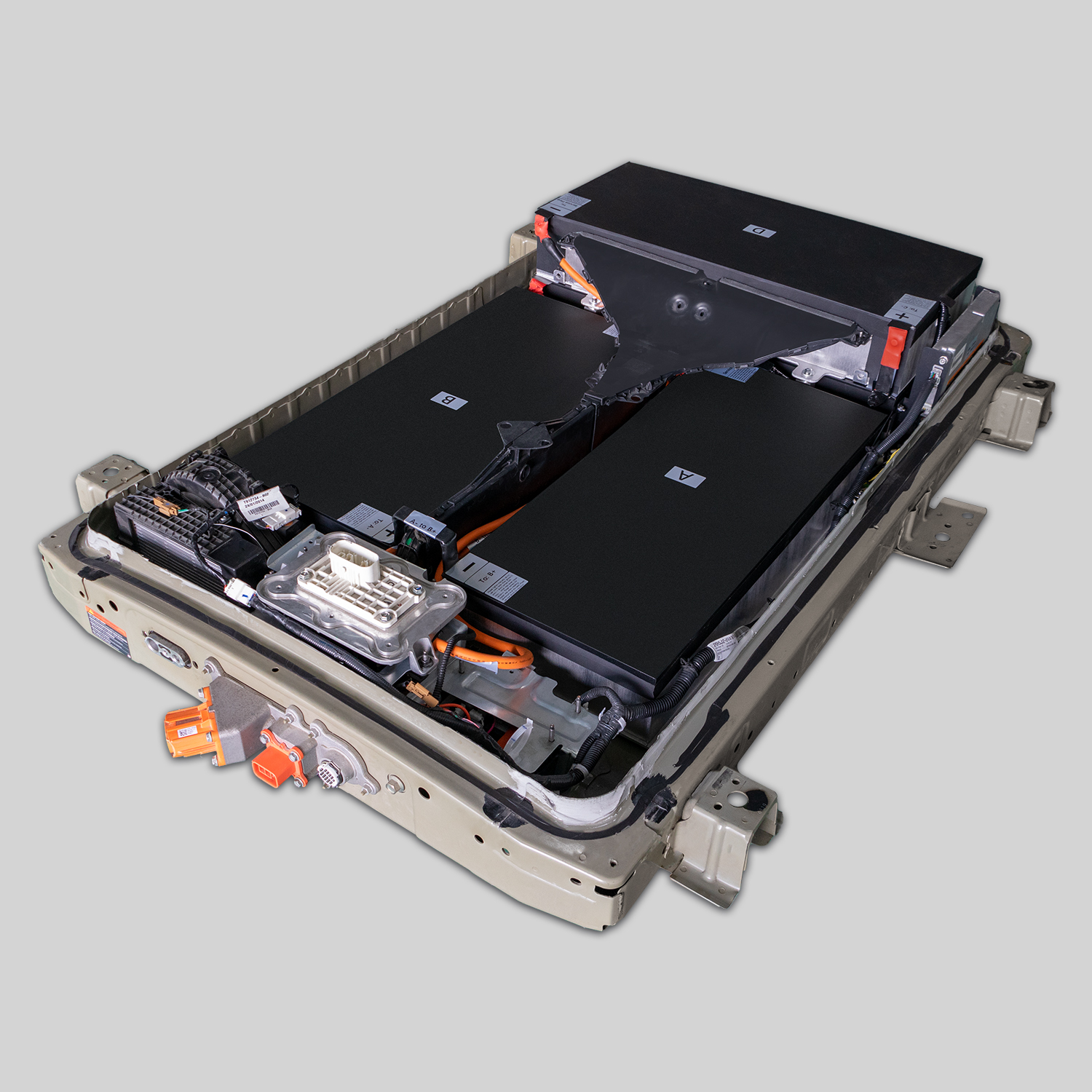
The term “wholesale” often gets a bad rap because the market is flooded with low-quality refurbished units. However, a premium wholesale battery (like those engineered by CNS) utilizes brand-new, Grade-A lithium-ion cells sourced directly from the cell factory (typically CATL or CALB).
- Composition: 100% new prismatic cells, new BMS (Battery Management System), and new structural housing.
- Performance: Matches or exceeds the original 24kWh, 40kWh, and 62kWh specifications.
2. The AESC Standard
AESC batteries are the original packs installed in your Leaf at the factory. They are known for their robust build but are now aging technology.
- The Catch: Genuine new AESC packs are virtually impossible to find and cost a fortune. Most “AESC” replacements on the market today are actually used modules pulled from salvage yards, re-packaged, and sold as “refurbished.”
⚖️ Head-to-Head Comparison: Value vs. Price
Let’s break down the tangible differences between opting for a high-spec wholesale solution versus sticking with the AESC ecosystem.
| Comparison Factor | Premium Wholesale Battery (e.g., CNS) | AESC (New or Refurbished) |
|---|---|---|
| Cell Quality | Brand new CATL/CALB cells with full cycle life ahead. | Often reused/salvaged cells with degraded health. |
| Price Point | ~50% cheaper than OEM rates. (Approx. $7,800-$8,200). | Extremely expensive new; risky quality if refurbished. |
| Warranty | 24 months / 80,000 km comprehensive coverage. | Usually 12 months or less for refurbished units. |
| Availability | In-stock and ready to ship globally (DDP). | Long lead times; dependent on salvage yard supply. |
| Technology | Modern BMS programming, often with improved cooling. | Legacy technology; prone to thermal issues in old packs. |
💰 Why the 50% Price Difference?
You might wonder, “If it’s made with new CATL cells, why is it half the price of an OEM battery?”
The answer lies in the supply chain.
- No Brand Tax: OEMs like Nissan charge a premium for the “brand name” and dealership overhead. Wholesale manufacturers cut out the middleman.
- Direct Sourcing: Companies like CNS Battery source cells directly from the factory (Henan CNS Energy Technology) in Zhengzhou, China. This eliminates distributor markups.
- Targeted R&D: Instead of spending billions on marketing, wholesale specialists focus on R&D to ensure the cells and BMS are perfectly compatible with the Leaf’s specific voltage and communication protocols.
The Result: You get a battery with the same chemical composition (Lithium Nickel Manganese Cobalt Oxide) as a top-tier pack, but without the dealership markup.
🛠️ Real-World Performance: Does “Cheap” Mean “Inferior”?
Based on our field data and customer testimonials, the performance of a high-quality wholesale battery is indistinguishable from the OEM standard in daily use.
- Range Restoration: Users report restoring their Leaf’s range to 430km+ (for 62kWh models), which is identical to the car’s original specifications when new.
- Charging Speed: Full compatibility with CHAdeMO and Level 2 charging, with no reduction in speed compared to old AESC packs.
- Safety: Premium wholesale batteries utilize the same UN38.3 certified cells and include robust insulation and thermal management systems to prevent swelling.
Expert Insight: The biggest risk isn’t buying a new wholesale battery; it’s buying a “cheap” refurbished AESC module. Swelling, sudden death, and fire hazards are far more common in reused packs where the cell degradation is uneven.
🤝 The CNS Battery Advantage for Nissan Leaf
If you are searching for a wholesale solution that prioritizes safety and longevity, CNS Battery stands out in the crowded market.
We don’t just sell batteries; we engineer powertrains.
- Plug-and-Play Perfection: Our packs are designed to be a direct drop-in replacement for ZE0, AZE0, and ZE1 models. There is no hacking or modification required.
- Unbeatable Warranty: We back our product with a 2-Year / 80,000 km warranty. This is significantly longer than the standard 1-year warranty offered by most refurbishers.
- Global DDP Shipping: We handle all the logistics, duties, and taxes (DDP – Delivered Duty Paid), so you know the final price upfront.
Don’t let battery anxiety kill your EV dream. Get a quote today and see how much you can save.
👉 Get Your Free Custom Quote Now
❓ Frequently Asked Questions (FAQ)
Q1: Is a wholesale Nissan Leaf battery safe to install?
A: Yes, if it is manufactured with brand-new cells. The safety risk comes from “wholesale” batteries made from recycled or mixed-grade cells. Always verify that the supplier uses new CATL or equivalent cells and provides a proper BMS with overcharge and thermal protection.
Q2: Will a non-AESC battery work with my Nissan Leaf’s BMS?
A: Absolutely. Modern aftermarket batteries are reverse-engineered to communicate perfectly with the Leaf’s Vehicle Control Unit (VCU). CNS batteries undergo rigorous testing to ensure the handshake between the battery and the car is seamless, often including pre-programmed BMS modules.
Q3: How long does a new wholesale battery last?
A: A battery built with new cells has a lifespan similar to a brand-new car battery. You can expect 8-10 years of service, or roughly 3000+ charge cycles, before the capacity degrades below 70%. This is vastly superior to a refurbished AESC pack, which might only last 2-3 years.
Q4: Can I install this myself?
A: Many of our customers are DIY enthusiasts. We provide HD installation videos and step-by-step manuals. However, due to the high voltage (up to 400V), we strongly recommend having it installed by a certified technician to maintain the warranty and ensure safety.
Q5: What is the price difference between a 40kWh and a 62kWh upgrade?
A: Upgrading from a 40kWh to a 62kWh pack typically costs between $7,800 and $8,200. While this is a significant investment, it is roughly 40-50% less than what a dealership or OEM supplier would charge for a similar capacity upgrade.
Ready to revive your Nissan Leaf? Stop overpaying for outdated technology.
Contact our technical experts today for a compatibility check and personalized quote.
📞 Contact Us Now