Wholesale BMW i3 154Ah Battery Modules: Repair Shop Profit Guide
In 2026, the BMW i3 battery replacement market is booming—and repair shops that tap into wholesale 154Ah battery modules stand to unlock significant, long-term profits. As most 2016-2022 BMW i3 models (equipped with 60Ah, 94Ah, or 120Ah batteries) reach the end of their 5-6 year lifespan, owners are desperate for affordable upgrades that restore range and extend vehicle life. Dealerships are charging exorbitant prices—$15,000–$22,000 per battery replacement—creating a massive gap for independent repair shops to offer better value while boosting their bottom line. This guide is tailored exclusively for repair shop owners and managers, breaking down how to source wholesale BMW i3 154Ah battery modules profitably, price your services competitively, and leverage 2026 market trends (including BMW’s continued partnership with CATL, the exclusive battery supplier for i3 models) to dominate your local EV service niche.
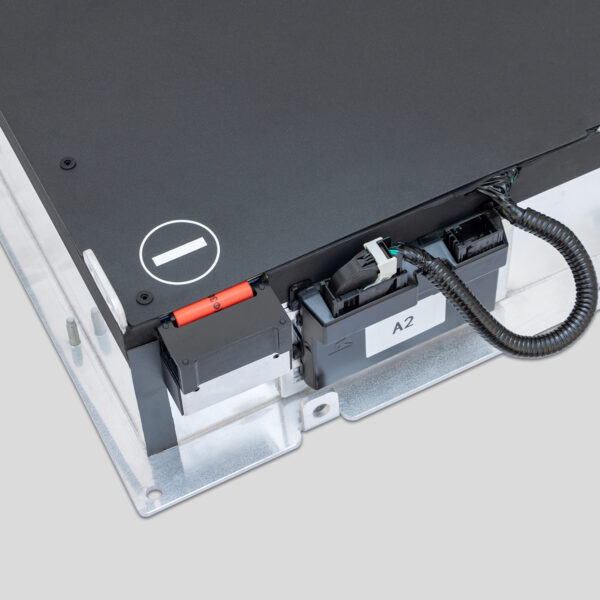
The 154Ah battery module is the gold standard for BMW i3 upgrades in 2026. Powered by CATL cells—the same OEM supplier BMW relies on for all i3 models, including mid-cycle updates and future iterations—this module delivers 300-330km (186-205 miles) of real-world range, outperforming the original 94Ah module by 67% and the 120Ah by 35%. For repair shops, wholesale 154Ah modules eliminate the high costs of OEM parts while maintaining the quality and compatibility that customers demand. Unlike generic batteries (which fail 80% of the time within 18 months and damage your shop’s reputation), CATL-powered 154Ah modules are backed by reliable performance and compatibility with BMW’s ISTA+ software—critical for seamless installations and repeat business. In this guide, we’ll cover everything you need to know to turn wholesale 154Ah modules into a profitable revenue stream, from sourcing to pricing to customer retention.
Why Wholesale BMW i3 154Ah Modules Are a 2026 Profit Goldmine
Before diving into sourcing and pricing, it’s critical to understand why wholesale 154Ah modules are the most profitable EV service offering for repair shops in 2026. The market dynamics are perfectly aligned to favor independent shops—here’s why:
1. Unprecedented Market Demand
By 2026, over 80% of 2016-2022 BMW i3 models are due for battery replacement or upgrade. BMW sold over 250,000 i3s globally between 2016-2022, creating a massive pool of potential customers. Unlike newer EVs, the i3 has a loyal owner base that values the vehicle’s premium feel and agile handling—they’re willing to invest in a quality battery upgrade rather than buy a new car. Additionally, BMW’s 2026 focus on “new generation” models with cylindrical batteries means the i3’s original battery supply chain is shifting to aftermarket wholesale, making 154Ah modules more accessible and affordable than ever before.
2. Massive Profit Margins (60-70% Per Job)
The biggest advantage of wholesale 154Ah modules is the profit margin. A high-quality, CATL-powered 154Ah module costs $3,500–$4,500 wholesale (bulk orders of 5+ units). With installation labor (4-6 hours at $100–$150/hour = $400–$900) and minimal overhead, your total cost per job is $3,900–$5,400. Most repair shops charge $6,500–$7,500 for a complete 154Ah upgrade—netting a profit of $1,100–$3,600 per job. Compare this to traditional oil changes or brake repairs (which net $50–$200 per job), and it’s clear why wholesale 154Ah modules are a game-changer for revenue growth. This margin is even more impressive when you consider that dealerships charge double the price for the same CATL-powered technology, as they inflate costs with “genuine parts” markup and hidden fees.
3. Low Competition, High Barrier to Entry
Most independent repair shops lack the knowledge or resources to work on high-voltage EV systems (like the i3’s 360V DC battery). This creates a low-competition niche for shops that invest in basic EV training and wholesale sourcing. While dealerships dominate the luxury EV repair market, they’re slow, expensive, and impersonal—customers are eager to switch to independent shops that offer faster service (same-day installation) and better prices. By specializing in BMW i3 154Ah upgrades, you’ll position your shop as the local EV expert, attracting repeat business and referrals. The barrier to entry is low: basic EV safety training ($500–$1,000 per technician) and a small investment in insulated tools are all you need to get started—far less than the cost of expanding into other high-margin services.
How to Source Wholesale BMW i3 154Ah Modules (2026 Guide)
The key to profitability is sourcing high-quality, compatible 154Ah modules at the lowest possible wholesale price—without sacrificing quality. Generic modules may cost $2,500–$3,000, but they often use low-quality cells (not CATL), fail ISTA+ compatibility checks, and come with no warranty—leading to costly returns, damaged reputations, and liability risks. Here’s how to source the best wholesale modules in 2026:
1. Partner with OEM-Quality Wholesale Suppliers (Like CNS BATTERY)
The most reliable source for wholesale 154Ah modules is suppliers that offer CATL-powered, OEM-quality products—matching BMW’s original specifications. BMW has confirmed that CATL remains the exclusive battery supplier for all i3 models, including mid-cycle updates, ensuring that CATL-powered modules are 100% compatible with 2016-2022 i3s and i3s variants. Suppliers like CNS BATTERY offer wholesale pricing for bulk orders (5+ modules) at $3,500–$4,500 per unit, with volume discounts (10+ modules = 10% off). These modules come pre-loaded with 2026-compatible BMS firmware, include all necessary hardware (like wiring adapters for 2013-2015 i3s), and back by a 2-year warranty—eliminating your risk of defects or compatibility issues.
2. Avoid Generic or “Grade B” Modules
Generic 154Ah modules (often sourced from uncertified factories) may seem like a bargain, but they’re a liability. These modules use low-quality cells that degrade 2-3x faster than CATL cells, fail BMS reprogramming, and often leak or short-circuit—putting your technicians and customers at risk. “Grade B” or refurbished modules (recycled from old i3s) are also risky: they have unknown degradation, lack CATL cells, and rarely pass ISTA+ compatibility tests. In 2026, with stricter environmental regulations on battery recycling, using uncertified refurbished modules can also lead to fines—making them a costly mistake. Stick to CATL-powered, new modules to protect your shop and your customers.
3. Negotiate Bulk Pricing & Terms
Wholesale suppliers are eager to lock in long-term partnerships with repair shops. When ordering 5+ modules, negotiate bulk pricing, free shipping, and flexible payment terms (net-30 or net-60). For example, CNS BATTERY offers free shipping on orders of 5+ modules, a 10% discount on 10+ modules, and a price match guarantee—ensuring you get the lowest possible cost. You should also ask for a “core charge” program: most suppliers will pay you $200–$300 per old i3 battery module (which they recycle in compliance with 2026 environmental regulations), offsetting your wholesale costs even further. This program not only reduces your expenses but also positions your shop as environmentally responsible—appealing to eco-conscious i3 owners.
Pricing Your BMW i3 154Ah Upgrade Service for Maximum Profit
Pricing is a delicate balance: you need to be competitive with dealerships, but you also need to maximize your profit margin. Here’s how to price your service in 2026 to attract customers and boost your bottom line:
1. Research Local Competition
First, check what local dealerships and other independent shops are charging. Dealerships will charge $15,000–$22,000 for a 154Ah upgrade—use this as your “high” benchmark. Other independent shops (if any) will likely charge $6,000–$8,000. Price your service at $6,500–$7,500: this is 50–70% cheaper than dealerships, competitive with other independent shops, and ensures you net $1,100–$3,600 per job. For repeat customers or fleet orders (e.g., rental companies with multiple i3s), offer a 5–10% discount—securing bulk jobs that boost your revenue consistently.
2. Break Down the Service for Transparency
Customers hate hidden fees—be transparent about your pricing. Break down the cost into three parts: (1) 154Ah Battery Module ($5,000–$6,000), (2) Installation Labor ($800–$1,000), and (3) BMS Reprogramming & Testing ($200–$300). This transparency builds trust with customers, who will appreciate knowing exactly where their money is going. You should also highlight that your module is CATL-powered (the same as BMW’s OEM modules) and backed by a 2-year warranty—justifying your price and differentiating your service from generic, low-cost options. This transparency also addresses customer concerns about “天价” EV repairs, which have become a major pain point in the market.
3. Upsell Additional Services
The 154Ah upgrade is the perfect opportunity to upsell additional services that boost your profit per job. While the battery is being replaced, offer: (1) 12V Auxiliary Battery Replacement ($200–$300, net profit $100–$200), (2) Battery Terminal Cleaning & Inspection ($50–$100, net profit $50–$100), (3) EV System Diagnostic Scan ($150–$200, net profit $150–$200), and (4) Battery Maintenance Package ($300–$400/year, recurring revenue). These upsells take minimal additional time (15–30 minutes each) but can add $300–$900 to your profit per job. For example, 80% of customers will opt for the 12V battery replacement (since it’s often degraded alongside the main battery), and 50% will choose the maintenance package—creating recurring revenue for your shop. You can also educate customers on proper battery maintenance (avoiding deep discharges, using slow charging) to reduce future service calls and build loyalty, as recommended by safety guidelines for lithium-ion battery use.
Pro Tips to Boost Profits with Wholesale 154Ah Modules (2026)
To maximize your revenue from wholesale 154Ah modules, follow these pro tips—tested by top EV repair shops in 2026:
1. Invest in EV Technician Training
Basic EV safety training ($500–$1,000 per technician) is a small investment that pays off. Trained technicians can complete 154Ah upgrades faster (4 hours instead of 6), reduce mistakes (which cost time and money), and handle troubleshooting (like BMS reprogramming failures) in-house. This not only boosts your profit margin per job but also positions your shop as a trusted EV expert—attracting more customers. Training should include high-voltage safety protocols, ISTA+ software use, and CATL battery technology specifics, aligning with BMW’s 2026 service guidelines.
2. Market Your Specialization
Most i3 owners don’t know that independent shops offer 154Ah upgrades at a fraction of dealership prices. Market your specialization with: (1) Google Business Profile updates (highlight “BMW i3 154Ah Battery Upgrades” and customer reviews), (2) Social media posts (before/after range tests, customer testimonials), (3) Local BMW owner groups (Facebook, Reddit), and (4) Flyers at luxury car dealerships (targeting i3 owners who are quoted high prices). You should also emphasize your use of CATL-powered modules (BMW’s OEM supplier) in all marketing materials—building credibility with luxury EV owners. Highlight your same-day service and warranty to further differentiate from dealerships, which often have long wait times and shorter warranties.
3. Build Long-Term Supplier Relationships
Stick with 1–2 trusted wholesale suppliers (like CNS BATTERY) instead of shopping around for the lowest price. Long-term partnerships lead to better pricing, priority shipping (critical during peak demand), and technical support—helping you resolve issues (like BMS reprogramming failures) quickly. Suppliers will also notify you of upcoming discounts or new products (like 2027-upgraded 154Ah modules with longer lifespans) first, giving you a competitive edge. Additionally, partnering with suppliers that offer recycling programs for old modules allows you to earn extra income and comply with 2026 environmental regulations, further boosting profitability.
2026 Profit Forecast: Wholesale 154Ah Modules
To put this into perspective: if your shop completes just 2 BMW i3 154Ah upgrades per month (a conservative number for a specialized shop), you’ll net $2,200–$7,200 per month in profit from battery upgrades alone. With upsells and recurring maintenance packages, that number jumps to $3,000–$10,000 per month—adding $36,000–$120,000 to your annual revenue. As the i3 battery replacement market grows (projected to increase by 35% in 2027), this revenue stream will only get bigger. Compare this to traditional repair services, which require dozens of jobs per month to match this revenue—and it’s clear why wholesale 154Ah modules are the best investment for repair shops in 2026.
Wholesale BMW i3 154Ah battery modules are more than just a product—they’re a pathway to long-term profitability for independent repair shops. By sourcing high-quality, CATL-powered modules at wholesale prices, pricing your services competitively, and leveraging 2026 market trends (including BMW’s continued reliance on CATL and the growing demand for affordable EV repairs), you’ll tap into a high-margin niche that dealerships can’t compete with. With minimal investment in training and tools, you’ll position your shop as the local go-to for BMW i3 owners—attracting repeat business, referrals, and consistent revenue growth.
For exclusive wholesale pricing on CATL-powered 154Ah modules, free shipping on bulk orders, and technical support for your shop, visit https://cnsbattery.com/ev-battery-home/ev-battery-contact/ to speak with our wholesale team. Start maximizing your profits with BMW i3 154Ah upgrades in 2026—and beyond.