Your Ultimate Guide to Budget-Friendly Nissan EV Lithium Batteries
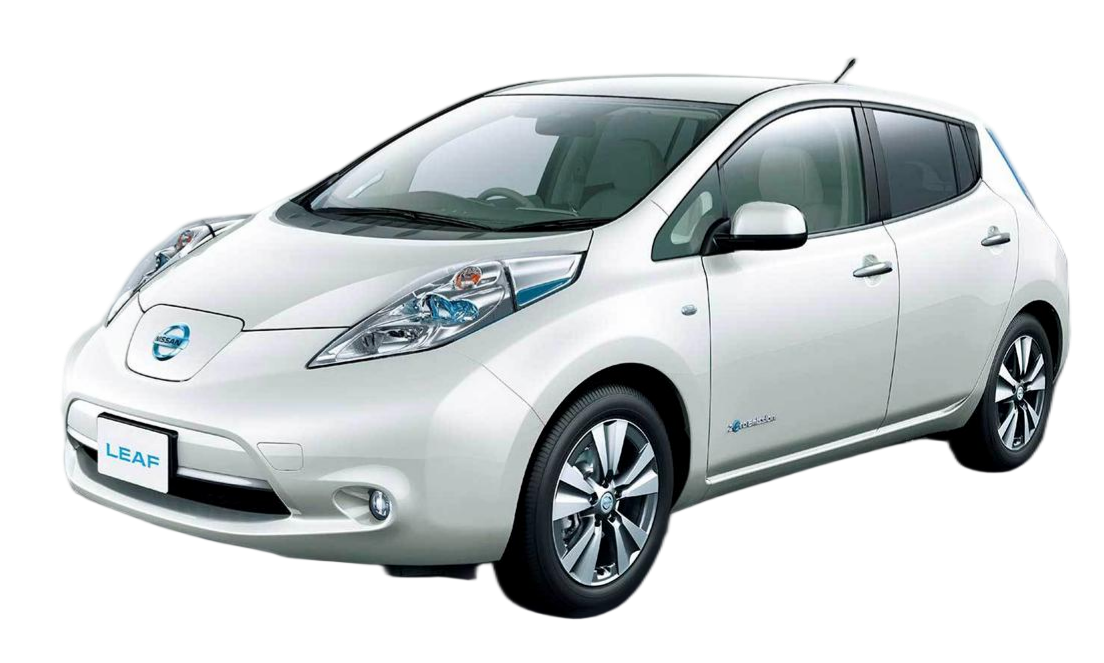
The Nissan Leaf and e-NV200 are pioneers in the electric vehicle revolution. However, as these vehicles age, their original batteries inevitably degrade, leading to a frustrating reduction in range. For many owners, the sticker shock of an OEM replacement—often exceeding $16,000—makes the vehicle uneconomical to keep on the road.
If you are searching for a way to revive your Nissan Leaf or e-NV200 without breaking the bank, you are not alone. The market for aftermarket electric vehicle (EV) batteries has matured significantly. Today, it is possible to source high-quality, brand-new lithium battery packs that offer OEM-level performance at a fraction of the cost.
This guide explores the landscape of budget-friendly Nissan EV lithium batteries, focusing on the latest advancements and solutions available in 2026.
Why Replace Your Nissan EV Battery?
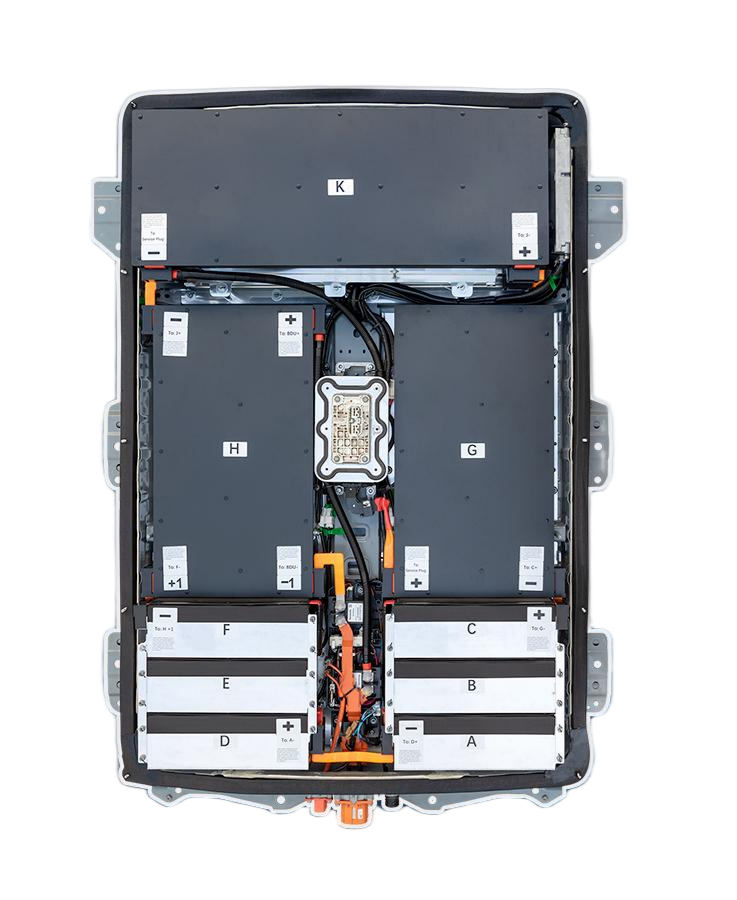
Before diving into the “where,” it is essential to understand the “why.” Nissan utilized two primary battery technologies across the Leaf generations: the older Lizard (AESC) laminated cells found in early models and the newer cylindrical (A123/ CALB) or modern CATL cells used in current refurbishments and replacements.
The Reality of Degradation:
- Early Models (ZE0/AZE0): These vehicles are now over a decade old. The original batteries were not designed for infinite life cycles, and capacity often drops below 60%, rendering the car nearly useless for daily commutes.
- The Cost Barrier: Dealerships often quote prices that exceed the vehicle’s resale value, forcing owners to scrap otherwise mechanically sound cars.
The Solution: A new aftermarket battery pack is not just a repair; it is a rebirth for your EV. It restores the full driving range, improves charging speeds, and extends the vehicle’s life for thousands of additional miles.
Identifying the Best Budget Options for 2026
When searching for a “budget-friendly” battery, the trap many fall into is choosing a refurbished pack. While tempting due to low prices, refurbished batteries often consist of salvaged, mismatched cells with unknown chemical health. They frequently suffer from swelling, rapid degradation, and safety issues.
The true “budget-friendly” solution in 2026 is a brand-new aftermarket pack utilizing cells from tier-1 suppliers.
The Shift to New Aftermarket Technology
The industry standard has shifted. Leading manufacturers now offer complete packs built with brand-new CATL (Contemporary Amperex Technology Co. Limited) cells. CATL is the world’s largest lithium-ion battery manufacturer and a direct OEM supplier to major automotive brands.
Why New CATL Cells Matter:
- Zero Cycle Count: Unlike used or refurbished cells, brand-new cells start with 100% chemical health.
- Superior Safety: These cells utilize advanced chemistry that is thermally stable and resistant to swelling.
- Longevity: New cells guarantee a lifespan far exceeding that of a repurposed pack.
Top Nissan Models and Battery Solutions
The Nissan lineup requires specific battery configurations. Here is a breakdown of the compatible solutions for the most popular models.
1. Nissan Leaf (ZE0, AZE0, ZE1)
The Leaf is the world’s best-selling EV, and the aftermarket support is robust.
| Battery Capacity | Typical Range Restoration | Best For |
|---|---|---|
| 40 kWh | ~150 miles (240 km) | Daily city commutes and errands. |
| 50 kWh | ~185 miles (298 km) | Balanced option for mixed driving. |
| 62 kWh | ~220 miles (354 km) | Long-distance drivers and highway use. |
| 68 kWh | ~240 miles (386 km) | Maximum range seekers (upgrade option). |
Key Insight: Many owners are opting to upgrade their capacity. For instance, a ZE0 owner with a degraded 24kWh pack can often fit a 40kWh or even 62kWh module, significantly increasing the car’s value and utility.
2. Nissan e-NV200
Originally designed as a commercial van, the e-NV200 suffers from the same degradation issues as the Leaf.
- The Problem: The original 24kWh or 40kWh packs often leave the van stranded after just a few hours of work.
- The Fix: Modern 40kWh or 50kWh replacements restore the “workhorse” capability. These new packs ensure the van can handle a full 8-hour shift plus charging without range anxiety.
What to Look for in a Budget Battery Supplier
Not all aftermarket batteries are created equal. To ensure you are getting a genuine budget-friendly solution (and not a future headache), scrutinize the supplier based on these criteria:
- Cell Source Verification: Ask for proof that the cells are brand new and sourced directly from factories like CATL. Avoid suppliers who cannot specify the cell manufacturer.
- Warranty Coverage: A cheap battery with no warranty is a false economy. Look for suppliers offering a minimum of 2 years or 80,000 km. This demonstrates confidence in the product’s durability.
- Plug-and-Play Compatibility: The battery should be an OEM drop-in replacement. This means the Battery Management System (BMS) must communicate seamlessly with the Nissan Vehicle Control Unit (VCU) to avoid dashboard errors.
- Global Shipping (DDP): Since the best prices are often found overseas, ensure the company offers Delivered Duty Paid (DDP) shipping. This means they handle customs, taxes, and delivery to your door, preventing surprise fees upon arrival.
The Installation Process: Can You Do It Yourself?
One of the significant cost-saving aspects of replacing your Nissan battery is the potential for DIY installation.
- Time Required: For a professional mechanic, the swap typically takes 1-2 hours. For a DIY enthusiast with basic tools, it may take a bit longer, but it is entirely feasible.
- Safety First: While the process is mechanical (unbolting the old pack and lifting in the new one), high-voltage safety protocols must be followed. Always disconnect the 12V battery first.
- Technical Support: A reputable supplier will provide video tutorials and technical hotlines. If you encounter a BMS programming issue, they should offer remote video guidance to resolve it in minutes.
Frequently Asked Questions (FAQ)
Q1: Is a new aftermarket battery really cheaper than OEM?
A: Absolutely. While a dealership replacement can cost upwards of $15,000 to $18,000, a brand-new aftermarket battery using premium CATL cells typically costs about 50% less. This makes economic sense, allowing you to keep a reliable car on the road without the financial burden of a new vehicle purchase.
Q2: Will a new battery fit my older Nissan Leaf (2011-2013 ZE0)?
A: Yes. Modern replacement packs are designed as direct drop-in replacements for the ZE0, AZE0, and ZE1 chassis. While the internal chemistry has evolved from laminated to cylindrical cells, the physical dimensions and connection points are engineered to match the original factory specifications perfectly.
Q3: What is the lifespan of a new budget battery?
A: A battery built with brand-new CATL cells should last for thousands of cycles. With proper maintenance, you can expect a lifespan of 8-10 years or more, similar to a brand-new EV. This is in stark contrast to refurbished batteries, which may fail within 6 to 12 months.
Q4: Do I need to modify my car’s software?
A: No modification is necessary. The latest aftermarket batteries utilize advanced BMS technology that mimics the original Nissan communication protocols. The car recognizes it as a factory-fresh battery, requiring no software hacks or “tuning.”
Ready to Restore Your Range?
Replacing your Nissan EV battery does not have to be a financial burden. With the availability of new, high-quality lithium packs, you can restore your Leaf or e-NV200 to its former glory for a fraction of the dealer price.
Stop driving on borrowed time and limited range. Explore the latest 2026 battery solutions designed for Nissan and BMW vehicles.