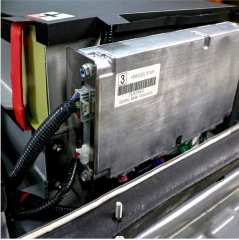
Where to Buy a Safe Nissan Leaf Battery with High Safety Rating
Is your Nissan Leaf’s range struggling to get you through the day? You’re not alone. As electric vehicles age, battery degradation becomes a harsh reality. However, replacing your EV’s heart is a significant investment, and safety should be your absolute top priority. With the market flooded with options—from risky refurbished units to expensive OEM replacements—finding a safe Nissan Leaf battery that offers a high safety rating and long-term reliability can feel overwhelming.
This guide is designed to cut through the noise. As experts in the EV battery field, we understand that “safe” isn’t just a marketing term; it’s about cell chemistry, manufacturing standards, and rigorous testing. We’ll show you exactly where to buy a battery that combines the safety of brand-new technology with the affordability of a smart upgrade.
Why “Safe” Matters: The Hidden Dangers of Low-Quality Batteries
Before we dive into the solution, it’s crucial to understand why choosing a high-safety-rated battery is non-negotiable. Many owners, desperate to save money, turn to refurbished or used batteries. While the price tag is tempting, the risks are severe.
Refurbished batteries often utilize old, degraded cells that have undergone thousands of charge cycles. These cells are prone to thermal runaway, swelling, and sudden power failure. In contrast, a brand-new, high-safety-rated battery uses pristine cells with balanced chemistry, ensuring stable voltage and temperature control.
Key Insight: A battery is not just a container of cells; it is a complex thermal management system. A “safe” battery must have a robust Battery Management System (BMS) and high-quality structural integrity to prevent short circuits and overheating.
The Ideal Choice: Brand-New Cells with OEM Standards
If you are searching for a safe Nissan Leaf battery, the answer lies in using brand-new, top-tier cells manufactured to Original Equipment Manufacturer (OEM) standards. This is where the difference between a temporary fix and a long-term solution becomes clear.
1. The Power of Brand-New CATL Cells
At the core of every safe and reliable upgrade is the cell chemistry. We recommend solutions that utilize brand-new cells from CATL (Contemporary Amperex Technology Co. Limited), the world’s largest lithium-ion battery manufacturer. Unlike recycled cells, brand-new CATL cells offer:
- Top-Tier Performance: Higher energy density for extended range.
- Inherent Safety: Advanced chemical formulations that resist thermal runaway.
- Zero Swelling Risk: Fresh cells haven’t endured stress fractures that lead to physical deformation.
2. OEM-Compatible Engineering
Safety isn’t just about the cells; it’s about the fit. A high-safety-rated battery must be engineered to match the Nissan Leaf’s original specifications.
- Precise Interface Matching: Connectors and voltage must align perfectly to avoid short circuits.
- Robust Packaging: The battery pack must withstand road vibrations and impacts without damaging the internal cells.
By choosing a battery built with these standards, you are not just buying power storage; you are buying peace of mind.
Where to Buy: Your Trusted Source for Safety
So, where to buy a safe Nissan Leaf battery? The answer is a supplier that prioritizes transparency, quality control, and after-sales support. You need a partner that offers more than just a product—a partner that offers expertise.
The Unbeatable Warranty: Proof of Safety
A high safety rating is often backed by a strong warranty. While refurbished batteries come with no warranty or very short coverage, a reliable supplier offers a 24-month / 80,000 km warranty. This comprehensive policy covers defects in materials and workmanship and even includes prorated coverage for performance degradation, ensuring your battery maintains at least 70% capacity.
This warranty isn’t just a piece of paper; it’s a statement of confidence in the product’s safety and longevity.
Real-World Safety in Action
Don’t just take our word for it. Consider the experience of owners who made the switch:
- David L. (London, UK): After a dangerous experience with a refurbished battery that swelled up, he upgraded to a 62kWh solution with brand-new CATL cells. He noted the perfect fit of the wiring connectors and the stability of the charge, calling it a “revival” for his car.
- Mike’s Auto Service (Vancouver, Canada): As a repair shop, they rely on these batteries for their customers because of the “zero failure rate” and the safety provided by new cells.
These stories highlight the real-world difference that a high-safety-rated battery makes.
Making the Switch: A Simple, Secure Process
Finding a safe battery shouldn’t be a complicated hunt. The process should be straightforward and secure.
- Select Your Model: Whether you drive a Leaf ZE0, AZE0, or ZE1, the solution is tailored to your specific chassis.
- Get a Custom Quote: Provide your specifications, and receive a personalized recommendation that ensures compatibility and safety.
- Expert Support: From pre-sales VIN compatibility checks to post-sales technical guidance, expert support ensures a safe installation.
Ready to upgrade your Nissan Leaf with a battery that prioritizes your safety?
Get Your Free Custom Quote Now
Frequently Asked Questions (FAQ)
Q1: Are these batteries truly safe compared to the original Nissan battery?
Absolutely. These batteries are built using brand-new CATL cells, which are manufactured to the highest global safety standards. They undergo rigorous testing for thermal management, vibration resistance, and electrical stability. Unlike original batteries that may use older chemistry, these new units offer “ultimate safety” with modern engineering, often exceeding the performance of aging OEM packs.
Q2: How do I know if the battery is compatible with my specific Leaf model?
Compatibility is guaranteed through a simple pre-sales VIN check. Before you purchase, the technical team verifies that the voltage, capacity, and physical dimensions match your specific model year (ZE0, AZE0, or ZE1). This ensures a perfect plug-and-play fit, eliminating any risk of electrical mismatch that could compromise safety.
Q3: What kind of support do I get if I install it myself?
While professional installation is recommended, DIY owners are fully supported. You receive step-by-step installation videos and access to a technical support hotline. If you encounter a wiring issue or a BMS programming glitch, engineers are available for remote video guidance to ensure the installation is done safely and correctly.
Q4: What happens if there is a problem with the battery?
The 2-year / 80,000 km warranty covers all manufacturing defects. If the battery fails to hold a charge or experiences a safety-related issue (like overheating), the supplier provides free replacement or repair. This “zero-fault reliability” promise ensures that you are protected long after the purchase.