Here is the SEO-optimized article tailored to your requirements.
The Ultimate Guide to Affordable Nissan EV Battery Upgrades
Is your Nissan EV struggling with range anxiety? If you drive a Nissan Leaf or e-NV200, you know the frustration of degraded battery capacity and the sticker shock of dealership prices. You are likely searching for the “best cheap Nissan EV battery upgrade”—a solution that offers maximum range without breaking the bank.
As an industry expert, I understand that “cheap” doesn’t mean low quality; it means high value. The goal is to find a battery that matches Original Equipment Manufacturer (OEM) standards but at a fraction of the cost. In this guide, I will walk you through why certain solutions are superior and how you can upgrade your Nissan Leaf (ZE0, AZE0, ZE1) or e-NV200 with confidence.
Why Upgrade Your Nissan EV Battery?
Nissan’s lineup, particularly the Leaf series and e-NV200, has been a pioneer in the electric vehicle market. However, time is not kind to lithium-ion cells. After 5-8 years, the original batteries often degrade significantly, reducing the driving range from 150 miles to barely 60-80 miles.
Dealerships often quote prices upwards of $12,000 to $16,000 for a replacement. For many owners, this cost is prohibitive, leading them to consider scrapping a perfectly good car. This is where the aftermarket comes in.
The “best cheap upgrade” isn’t about buying scrap or refurbished cells. It is about finding a new, high-quality lithium-ion pack built with brand-new cells from top-tier manufacturers like CATL, designed specifically for your Nissan model.
The Top Choice: New CATL Cells for Maximum Value
When researching upgrades, you will encounter terms like “remanufactured,” “refurbished,” and “new build.” Based on technical specifications and user feedback, the most reliable and cost-effective solution is a battery pack built with brand-new CATL (Contemporary Amperex Technology Co. Limited) cells.
Why CATL?
CATL is the world’s largest battery manufacturer. Their cells are renowned for:
- High Energy Density: More range in the same size package.
- Safety: Superior thermal management and structural integrity.
- Longevity: A lifespan far exceeding that of refurbished batteries.
By opting for a pack utilizing these new cells, you are essentially getting a “like-new” Nissan EV at 50% less than the dealership price.
Compatible Models and Specifications
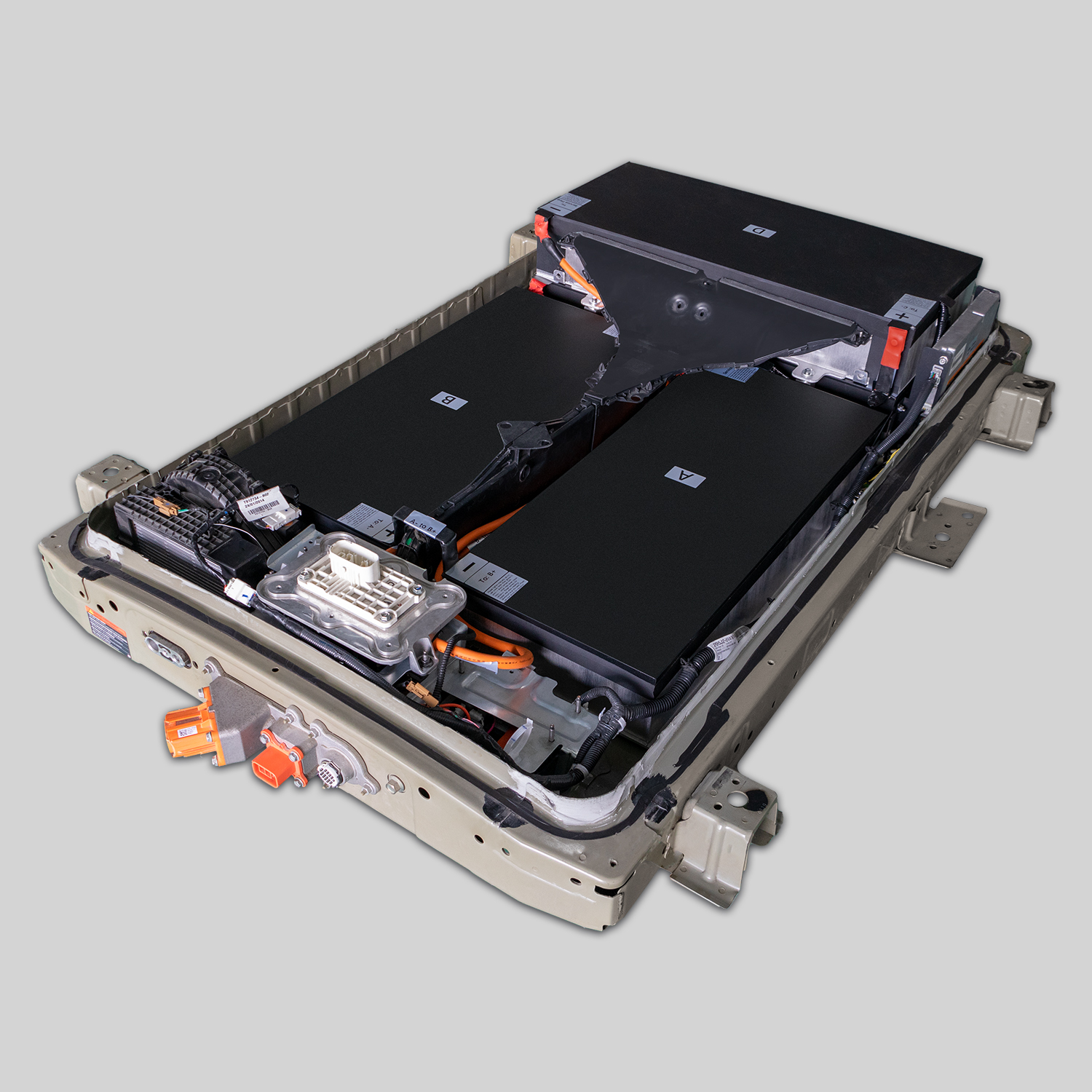
Not all upgrades fit every car. Precision engineering is required to ensure the Battery Management System (BMS) and physical dimensions match your specific Nissan chassis. Here is a breakdown of the most common models and their upgrade potential:
| Vehicle Model | Common Chassis Codes | Upgrade Options (Capacity) | Key Benefit |
|---|---|---|---|
| Nissan Leaf | ZE0, AZE0, ZE1 | 40kWh, 50kWh, 62kWh, 68kWh | Plug-and-Play: Perfect fit, no modifications needed. |
| Nissan e-NV200 | (Van/Commuter) | 40kWh, 50kWh | Revival: Restores range for commercial or family use. |
The Upgrade Process:
Upgrading from a 24kWh or 30kWh pack to a 62kWh or 68kWh pack is a game-changer. Owners report their range jumping from 80km to over 430km on a single charge. This turns your older Nissan into a viable daily commuter once again.
What Makes an Upgrade “The Best”?
Finding a cheap battery is easy; finding the best one requires looking at specific criteria. Here is what separates a reliable upgrade from a risky purchase:
1. OEM-Level Compatibility
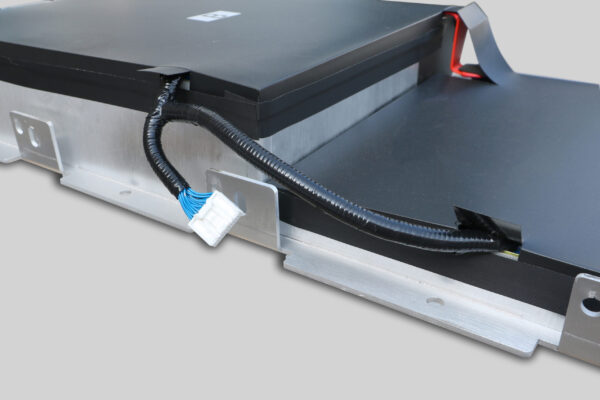
The battery must fit your chassis (ZE0, ZE1, etc.) without any cutting or welding. The connectors, bolts, and BMS communication protocols must match the original factory standards to avoid error codes.
2. Warranty Coverage
A cheap battery with no warranty is a false economy. The industry standard for a quality aftermarket battery should include at least a 2-year warranty or 80,000 km (whichever comes first). This coverage should protect against manufacturing defects and ensure the battery maintains at least 70% capacity.
3. Safety and BMS
The Battery Management System is the brain of the operation. A robust BMS prevents overcharging, overheating, and short circuits. Cheap knock-offs often skimp on this critical safety component.
Installation: Is it DIY-Friendly?
One of the biggest concerns for owners is the installation cost. The good news is that these Nissan battery upgrades are designed to be plug-and-play.
- Time Required: Approximately 1-2 hours for a professional (or a mechanically inclined friend).
- Process: Disconnect the old battery, unbolt it from the chassis, lift out the old pack, slide in the new one, and reconnect the terminals.
- Programming: Most modern replacements come pre-programmed, but some may require a simple BMS sync, which technical support can guide you through via video call.
Frequently Asked Questions (FAQ)
Q1: How much does a Nissan Leaf battery upgrade cost?
A: Compared to the $15,000+ price tag at a dealership, a high-quality aftermarket battery using new CATL cells typically costs between $7,000 and $9,000. This represents a 50%+ saving while offering the same performance and safety as a new car.
Q2: Is a 62kWh or 68kWh upgrade worth it for my old Leaf?
A: Absolutely. If your car is mechanically sound, an upgrade to 62kWh can restore your range to nearly 440km. This is often cheaper than buying a new economy car, making it a highly economical choice.
Q3: Will this void my car’s warranty?
A: Since these are aftermarket parts, they exist outside the manufacturer’s warranty. However, reputable suppliers provide their own warranty (e.g., 2 years/80,000km). It is recommended to check your local regulations regarding aftermarket modifications.
Q4: Are these batteries safe?
A: Yes, when sourced from reputable manufacturers. Look for batteries that use brand-new cells (not recycled or refurbished) and have passed safety certifications. Avoid “budget” packs made from salvaged cells, as they are prone to swelling and failure.
Ready to revive your Nissan EV? Don’t let battery degradation end your electric journey. Get a free, personalized quote today and discover how you can upgrade your Nissan Leaf or e-NV200 with a premium, cost-effective solution.