
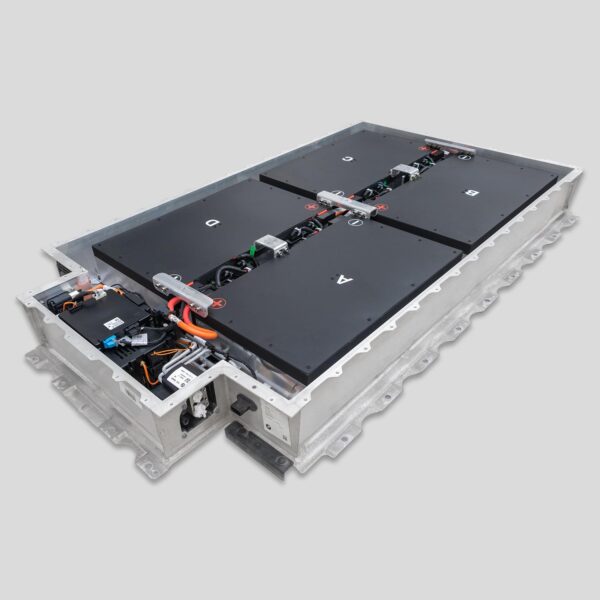
What BMW i3 Battery Environmentals Entail: Safety, Sustainability & Standards
When your BMW i3’s battery reaches the end of its life cycle, the question of “what happens next” is just as important as the replacement itself. Understanding BMW i3 battery environmentals isn’t just about regulations; it’s about safety, sustainability, and ensuring you get a reliable, compliant powertrain for your vehicle.
At CNS BATTERY, we don’t just supply replacements; we engineer solutions that meet the strict environmental and safety standards required for modern electric vehicles. If you’re facing high dealership costs or unreliable refurbished options, knowing the environmental specifications your battery must meet can save you from future headaches.
Understanding the Environmental Standards of BMW i3 Batteries
The term “environmentals” in the context of a BMW i3 battery refers to the specific engineering standards, materials, and certifications designed to ensure the battery operates safely and efficiently within various physical environments.
1. Thermal Management and Climate Control
The BMW i3 battery is designed with a specific thermal management system. The environmental housing must allow for the circulation of the coolant to prevent overheating during high-performance driving or rapid charging.
- The Risk of Ignoring Standards: Many low-cost aftermarket batteries on the market use generic casings that do not integrate with the BMW i3’s cooling channels. This can lead to thermal runaway, reduced lifespan, and even safety hazards.
- The CNS Standard: Our replacement batteries are engineered with OEM-standard casings. We utilize high-grade, fire-retardant polymers and ensure precise alignment with the vehicle’s coolant inlets and outlets. This guarantees that the battery maintains an optimal temperature range (-20°C to 60°C ambient), protecting the internal CATL brand-new battery cells.
2. Vibration Dampening and Structural Integrity
An electric vehicle battery is a heavy, high-voltage component mounted to the chassis. Environmental factors include the constant vibration and shock from the road.
- OEM Compatibility: A compliant BMW i3 battery must have mounting points and a structural integrity that matches the original design. Poorly constructed replacements can crack under stress, exposing high-voltage components or damaging the cells.
- Our Engineering: CNS BATTERIES are built to withstand the mechanical stresses of driving. Our casings are impact-resistant and designed to absorb vibration, ensuring the internal Busbars and BMS (Battery Management System) remain secure.
The Environmental Impact: Sustainability and Materials
Beyond the operational environment inside your car, the “environmental” aspect also covers the sustainability and material sourcing of the battery.
1. Material Composition
Older or refurbished batteries often contain degraded cells held together with substandard adhesives and materials that off-gas or degrade quickly.
- New vs. Refurbished: Many “environmentally friendly” refurbished batteries are actually discarded units patched together. These often fail prematurely, creating more electronic waste.
- CNS Commitment: We use brand-new, original battery cells from CATL (Contemporary Amperex Technology Co. Limited). By manufacturing new batteries to last, we reduce the frequency of replacements, which is the truest form of environmental responsibility.
2. Manufacturing Processes
Our manufacturing facility in Zhengzhou adheres to strict environmental protocols. We utilize automated production lines to minimize waste and ensure precise welding and assembly, reducing the risk of defects that could lead to environmental hazards (like electrolyte leakage) down the line.
Why Environmental Compliance Matters for Your Wallet
Choosing a battery that meets the correct environmental standards is a direct investment in your vehicle’s longevity and your financial security.
1. Avoiding “Bricking” Your Car
Installing a battery that does not meet the thermal or electrical environmental standards of the BMW i3 can cause the vehicle’s computer to shut down, rendering your car inoperable (“bricking” it). Our batteries come with pre-programmed BMS that are compatible with the BMW i3’s software environment, ensuring a seamless plug-and-play experience.
2. Warranty and Peace of Mind
Because our batteries meet the rigorous environmental and safety standards, we are able to offer an industry-leading warranty. We cover our BMW i3 batteries for 24 months or 80,000 km (whichever comes first). This warranty covers defects in materials and workmanship, including protection against environmental failures like cooling leaks or structural damage.
The CNS BATTERY Advantage: Quality You Can Trust
When searching for a BMW i3 battery, you need a partner who understands the technical and environmental complexities.
- OEM Precision: We don’t guess; we reverse-engineer. Our batteries are designed to fit the BMW i3 chassis perfectly, integrating with the existing high-voltage connectors and cooling systems.
- Real-World Performance: Our customers report that our batteries restore the car’s range to factory specifications (or better, with our upgrade options) without the thermal throttling often seen in cheaper alternatives.
- Global Support: Whether you are in Europe, North America, or Asia, we handle the logistics and compliance to get a safe, environmentally sound battery to your door.
Expert Tip: Before purchasing any battery, ask the supplier: “Does this battery integrate with the BMW i3’s coolant system?” If they say no, or hesitate, keep looking. A “no” answer means you are buying a battery that will overheat and fail quickly.
Frequently Asked Questions (FAQ)
Q1: Can I install a CNS BMW i3 battery myself?
A: Yes, many of our customers are DIY enthusiasts. We provide detailed installation videos and manuals. However, because high-voltage work can be dangerous and involves specific environmental sealing (coolant lines), we recommend having a certified technician perform the installation to avoid voiding the warranty.
Q2: How does the warranty handle environmental damage?
A: Our warranty covers defects in materials and workmanship. If a failure occurs due to the battery’s inability to handle standard operating temperatures or vibrations (i.e., the casing cracks or the cooling fails due to our manufacturing defect), we provide a free replacement. However, damage caused by external accidents, improper coolant levels, or flooding is not covered, as these are external environmental factors beyond the battery’s control.
Q3: Are there specific environmental regulations for shipping these batteries?
A: Yes. Lithium-ion batteries are classified as dangerous goods (UN 3480). We handle all the complex shipping logistics, including DDP (Delivered Duty Paid) services, to ensure the battery is shipped safely and compliantly to your country, whether by air or sea.
Q4: How do CNS batteries compare to “refurbished” options environmentally?
A: While refurbished batteries seem eco-friendly, they are often unreliable. A refurbished battery failing after 6-12 months creates more waste than a durable, new battery lasting 8-10 years. By using new, high-quality CATL cells, CNS batteries offer the best long-term environmental footprint by maximizing usable life.
Ready to restore your BMW i3 to its former glory with a battery that meets the highest environmental and safety standards? Don’t settle for risky refurbished packs or overpriced dealership options. CNS BATTERY offers the perfect balance of OEM quality and affordability.
