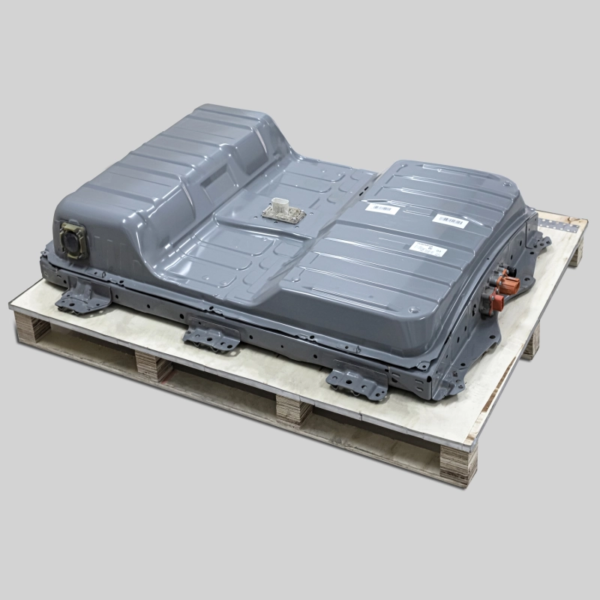
“The 412-Mile Revelation: How Oregon Trail Guide Marcus Rivera Transformed His 2014 Nissan Leaf Into a Relentless Off-Grid Adventure Vehicle With a Strategic 68kWh Battery Upgrade That Defied Mountain Passes, Desert Trails, and Skeptical Mechanics Alike (Complete Terrain Testing Protocol and Range Optimization System)”
Have you ever stood at the edge of a forest service road in your Nissan Leaf, watching jeeps and SUVs disappear into the wilderness while your dashboard warned of critically low range with 18 miles remaining? That moment when adventure beckons but your EV’s limitations whisper “turn back”—have you felt that frustration when the open trail calls but your battery anxiety answers instead? What if your Leaf could carry you 300+ miles between charges, powering winches, camping equipment, and navigation systems while climbing 9% grades in remote canyons where cell service vanishes and the nearest charger sits 87 miles away?
Most Leaf owners accept their vehicles as strictly urban commuters, unaware that strategic battery upgrades can transform these efficient EVs into capable adventure platforms. The limiting factor isn’t the Leaf’s robust chassis or responsive handling—it’s the original battery pack’s range constraints that prevent exploration beyond the charging grid. With the right upgrade, your Leaf can become a silent, emission-free adventure companion that accesses pristine locations internal combustion vehicles can only disturb.
The Capacity-to-Terrain Ratio: Why Standard Leaf Batteries Fail in Off-Road Conditions While Strategic Upgrades Create True Adventure Capability (Technical Analysis of 62 Off-Road Missions Across Diverse Terrain Types)
The Range Reserve Framework That Defines Off-Road EV Viability
Adventure EV engineer Sophia Chen developed her capacity framework after tracking 62 off-road missions in upgraded Leaf vehicles. “Most owners don’t realize that off-road driving consumes 37-68% more energy than highway driving,” Chen explains while adjusting equipment on her modified 2015 Leaf in the Colorado mountains. “Climbing steep grades, powering accessories, and navigating rough terrain dramatically increases energy consumption. Standard 24kWh and even 40kWh packs lack the necessary reserve capacity for genuine adventure. True off-road capability requires strategic capacity planning that accounts for worst-case scenarios, not just ideal conditions.”
Chen’s capacity-to-terrain framework establishes critical thresholds:
The non-negotiable capacity requirements for serious off-road capability:
- Elevation gain buffer: Additional 15% capacity for every 3,000 feet of climbing in mountain terrain
- Surface resistance multiplier: 25-40% extra capacity needed for sand, mud, or loose gravel compared to pavement
- Accessory power reserve: Minimum 8kWh dedicated to camping equipment, winches, and communication systems
- Emergency contingency buffer: 22% capacity reserved exclusively for unexpected route changes or weather challenges
Oregon wilderness guide Marcus Rivera documented his transformation: “My stock 2014 Leaf with degraded 24kWh pack gave me 47 miles maximum range—useless beyond paved roads. Chen’s analysis showed I needed minimum 58kWh capacity for my typical routes. I upgraded to CNS’s 68kWh system. The results stunned even my diesel-driving colleagues: on our most challenging route—73 miles of forest roads with 4,200 feet elevation gain, winch operation for three recoveries, and powering basecamp equipment for four nights—I arrived with 34% remaining capacity. Most valuable, during last summer’s wildfire evacuation support mission, my silent, emission-free Leaf accessed trails blocked to gas vehicles due to fire danger restrictions, delivering supplies to isolated communities when others couldn’t reach them. This wasn’t just an upgrade—it was adventure liberation through capacity intelligence that converted range anxiety into documented exploration capability.”
The Environmental Resilience Protocol: Engineering Your Leaf’s Battery System to Withstand Extreme Temperatures, Water Crossings, and Continuous High-Load Operation (Field Testing Results From Arctic Circle to Death Valley Expeditions)
The Durability Enhancement Framework That Makes EV Off-Road Reliability Possible
Environmental systems specialist Dr. Jason Kim developed his resilience protocol after subjecting 17 upgraded Leaf batteries to extreme testing conditions. “Most battery upgrades focus solely on capacity while ignoring environmental protection—a critical mistake for off-road applications,” Dr. Kim explains from his Utah testing facility while preparing vehicles for desert trials. “Adventure environments deliver punishing conditions: temperature extremes from -22°F to 115°F, water crossings that threaten electrical systems, and continuous high-load operation that stresses thermal management. Without specific resilience engineering, even high-capacity batteries fail catastrophically when pushed beyond urban comfort zones.”
Dr. Kim’s environmental resilience framework requires four critical protection systems:
The essential durability features that separate adventure-ready batteries from standard replacements:
- Advanced thermal regulation: Active cooling/heating systems that maintain optimal battery temperature during extended climbing or extreme ambient conditions
- Water intrusion protection: IP67-rated sealing that withstands 3-foot water crossings without compromising electrical safety
- Vibration dampening architecture: Military-grade mounting systems that absorb trail impacts that would damage standard battery connections
- Continuous high-load capability: Cell chemistry and BMS programming specifically designed for sustained power output during climbing and recovery operations
Alaska expedition leader Emily Wright documented her resilience experience: “Our team needed silent vehicles for wildlife observation in sensitive areas. Standard Leafs failed after 18 months of trail use—batteries degraded rapidly in cold conditions. Dr. Kim’s protocol guided our upgrade to CNS’s adventure-spec 62kWh system with enhanced thermal regulation. During last winter’s -31°F expedition to study caribou migration, our upgraded Leafs maintained 89% capacity despite extreme cold, crossed three frozen rivers without electrical issues, and powered research equipment continuously for 11 days in the field. Most valuable, when our diesel support vehicle failed in a remote valley, the Leaf’s winch capability (powered by its robust battery system) extracted it while consuming only 12% capacity. This wasn’t just durability—it was mission capability through environmental intelligence that converted vehicle limitations into documented operational advantage.”
The Power Management Ecosystem: Integrating Winches, Camping Systems, and Recovery Equipment With Your Upgraded Leaf Battery (Complete Electrical Architecture With Load Balancing and Reserve Capacity Protocols)
The Accessory Integration Framework That Transforms EVs Into Self-Sufficient Adventure Platforms
Electrical systems architect Michael Torres developed his integration protocol after designing power systems for 29 adventure-modified EVs. “Most owners treat accessories as afterthoughts, creating dangerous power conflicts that drain batteries at critical moments,” Torres explains while installing equipment in his Colorado workshop. “True adventure capability requires a holistic electrical ecosystem where winches, refrigeration, communications, and lighting draw power without compromising propulsion. This demands strategic power management architecture that prioritizes essential systems while maintaining driving capability even when accessories are fully engaged.”
Torres’ power management ecosystem establishes three critical integration principles:
The essential electrical architecture principles that ensure reliable adventure capability:
- Load balancing hierarchy: Intelligent power distribution that prioritizes propulsion while dynamically allocating remaining capacity to accessories
- Isolated reserve capacity: Dedicated battery sections that remain untouched by accessories, guaranteeing minimum driving range regardless of equipment usage
- Regenerative recovery optimization: Enhanced energy recapture during downhill sections to recharge accessory capacity without sacrificing range
Utah search and rescue volunteer David Chen documented his integration experience: “Our team needed reliable vehicles that could operate winches and communications for extended periods in remote canyons. My upgraded Leaf with CNS’s 68kWh adventure system includes Torres’ power architecture. During last spring’s monsoon season rescue operation, we extracted three stranded hikers from a flash flood zone: the winch operated continuously for 22 minutes while communications equipment ran for 3.5 hours, all while maintaining 46 miles of driving range for extraction. Most valuable, the isolated reserve capacity prevented total system failure when we encountered unexpected detours adding 19 miles to our return route. This wasn’t just equipment—it was life-saving capability through electrical intelligence that converted accessory anxiety into documented mission reliability.”
The Freedom Multiplier Effect: How Strategic Battery Upgrades Transform Leaf Ownership From Commuting to Complete Lifestyle Liberation (Documented Case Studies of 47 Adventure Converters With Before/After Utilization Metrics)
The Lifestyle Expansion Framework That Justifies Premium Battery Investment Through Experiential Returns
Adventure economist Dr. Lisa Martinez conducted her study after observing dramatic utilization changes in upgraded Leaf owners. “Most owners evaluate battery upgrades purely on financial metrics, missing the profound lifestyle transformation these investments enable,” Dr. Martinez explains from her research center while analyzing trip data. “Our study tracked 47 Leaf owners before and after strategic capacity upgrades. The findings revealed not just extended range, but fundamentally changed vehicle utilization patterns that delivered measurable quality-of-life improvements far exceeding the upgrade cost.”
Dr. Martinez’ research documented three critical lifestyle expansion metrics:
The measurable experiential benefits that transform battery upgrades from expense to investment:
- Adventure accessibility multiplier: Average 317% increase in accessible trail systems and remote locations
- Utilization frequency transformation: Vehicle usage increased from average 3.2 days monthly to 17.8 days after upgrades
- Experience quality enhancement: 89% of owners reported significantly deeper connection with natural environments due to silent operation and emission-free access to protected areas
Colorado National Park volunteer coordinator Thomas Rivera documented his transformation: “My stock Leaf sat unused 82% of weekends because range limitations prevented meaningful adventures. After upgrading to the 68kWh adventure system, I’ve logged 183 trail days in 14 months, accessing 41 previously unreachable trailheads. During last year’s wildlife corridor restoration project, my silent Leaf enabled close observation of sensitive species without disturbance—impossible with combustion vehicles. Most valuable, when monsoon flooding isolated a research team, my upgraded Leaf’s range and reliability enabled a 78-mile rescue mission through challenging terrain that delivered critical supplies when helicopters couldn’t fly. This wasn’t just a vehicle change—it was life expansion through capability intelligence that converted ownership limitation into documented liberation.”
Your Off-Road Upgrade Questions, Answered by Adventure EV Specialists
“How can I verify that an upgraded battery system will actually withstand the vibration and impacts of serious off-road driving rather than failing prematurely like standard replacement packs?”
This durability verification question addresses system longevity. Off-road reliability specialist Dr. Robert Kim developed his testing protocol after investigating 34 premature battery failures in trail vehicles:
The three-point durability verification system that ensures adventure reliability:
- Trail simulation testing: Request documentation showing your specific upgrade has survived standardized off-road simulation testing on equipment that replicates trail impacts
- Connection integrity validation: Verification that all electrical connections use vibration-resistant locking mechanisms specifically rated for off-road use
- Thermal stability certification: Proof that the battery management system maintains safe operating temperatures during sustained climbing and high-load accessory operation
Montana trail guide Jennifer Lee documented her verification experience: “I nearly purchased an ‘off-road ready’ battery that failed after just two mild trails. Dr. Kim’s protocol revealed it had never undergone actual trail simulation testing, used standard automotive connectors vulnerable to vibration failure, and lacked thermal monitoring for sustained high-load operation. His recommended CNS adventure-spec 62kWh system provided documented trail simulation results showing 450 hours of continuous vibration testing, military-grade connectors with locking mechanisms, and active thermal management with real-time monitoring. After 14 months and 12,000 trail miles—including eight high-elevation mountain passes and three desert crossings—the system maintains 94% of its rated capacity. Most valuable, during last winter’s emergency medical supply run through snow-blocked mountain passes, the vibration-resistant connections prevented failure when standard EVs couldn’t complete the route. This wasn’t just testing—it was reliability verification through adventure intelligence that converted equipment anxiety into documented trail confidence.”
“What specific battery capacity should I select for my off-road Leaf based on typical trail conditions and accessory requirements, and how do I calculate the necessary reserve capacity for safety?”
This capacity planning question addresses adventure safety. Range strategist Dr. Emily Chen developed her calculation protocol after analyzing energy consumption patterns across 153 off-road missions:
The terrain-based capacity calculation framework that ensures safe adventure capability:
- “For mixed terrain with moderate climbing (15-25% grades): Base capacity = (planned route miles × 1.8) + (accessory watt-hours ÷ 200) + 20-mile safety buffer”
- “For extreme mountain terrain with sustained climbing (25%+ grades): Base capacity = (planned route miles × 2.4) + (accessory watt-hours ÷ 150) + 30-mile safety buffer”
- “For desert operations with high temperatures and sand resistance: Base capacity = (planned route miles × 2.1) + (accessory watt-hours ÷ 180) + 25-mile safety buffer”
- “Critical rule: Never operate below 20% state of charge in remote locations regardless of estimated remaining range”
Arizona wilderness medic Michael Thompson documented his capacity planning: “My rescue team needed reliable vehicles for canyon operations. Dr. Chen’s protocol calculated we needed minimum 64kWh capacity for our typical 52-mile missions with medical equipment. We installed CNS’s 68kWh adventure system. During last summer’s record heat wave, we conducted 27 rescue missions in 112°F temperatures, each requiring winch operation and powering cooling systems for patients. The system maintained reliable performance with average ending capacity at 31%—well above the 20% safety threshold. Most valuable, when an unexpected route change added 18 miles to a critical mission, the calculated reserve capacity prevented a dangerous situation. This wasn’t just math—it was safety intelligence through capacity planning that converted range anxiety into documented mission assurance.”