Upgrading Nissan Leaf Battery Modules Safely: Expert Guide for 2026
Are you considering upgrading Nissan Leaf battery modules to boost range or restore performance, but worried about high-voltage risks or compatibility issues? Unlike full battery pack swaps, module upgrades let you replace degraded cells while retaining functional components—but safety missteps can lead to electrical shock, thermal runaway, or permanent vehicle damage. Many Leaf owners overlook module-specific safety protocols, relying on generic guides that ignore Leaf’s unique battery architecture. As CNS BATTERY experts, we specialize in upgrading Nissan Leaf battery modules safely, combining 2026’s latest module technology with rigorous safety standards. This guide breaks down critical safety steps, compatible modules, and best practices to ensure a secure, successful upgrade.
Key Safety Foundations for Leaf Battery Module Upgrades
Leaf battery modules operate at 360V (high voltage), making proper safety preparation non-negotiable. Before starting any work, establish these safety protocols to mitigate risks.
First, invest in certified safety gear: Class 00 insulated gloves (rated for 1,000V+), impact-resistant safety glasses, non-conductive work boots, and a Class C fire extinguisher (for electrical fires). Never use damaged or uncertified gear—even minor glove tears can lead to lethal shock. Second, prepare a dedicated workspace: a flat, well-ventilated area free of flammable materials, with non-conductive mats to insulate against ground faults. Third, disconnect power properly: turn off the Leaf, engage the parking brake, disconnect the 12V battery (front trunk), and remove the high-voltage service plug (under the rear seat). Wait 10-15 minutes to discharge capacitors—this step is critical, as residual voltage can cause shock even after disconnection.
Compatible Battery Modules for Nissan Leaf Upgrades (2026)
Not all modules work with every Leaf generation. Choosing compatible, high-quality modules is key to safe, reliable performance. Below are CNS BATTERY’s safety-tested options for ZE0 and ZE1 models.
ZE0 Models (2010-2017: Passive Cooling)
ZE0 Leafs use 4-cell or 8-cell manganese-based modules (24kWh/30kWh packs). Our upgraded LFP modules are direct replacements, engineered to fit the passive cooling system without modifications. Each module undergoes ISO 6469-3 safety testing, including short-circuit and thermal shock resistance.
Options include 3.7V 20Ah LFP modules (for 24kWh pack upgrades) and 3.7V 25Ah LFP modules (for 30kWh upgrades). These modules feature built-in thermal fuses and voltage monitoring, preventing overheating and overcharging—critical for passive-cooled systems. Avoid generic lithium-manganese modules, which lack these safety features and degrade quickly.
ZE1 Models (2018-2022: Liquid Cooling)
ZE1 Leafs (40kWh/62kWh) use 12-cell NCM modules integrated with a liquid cooling loop. Our sodium-lithium hybrid modules are designed to sync with the factory cooling system, with precision-fit cooling plates that maintain optimal temperatures (25-35℃).
We offer 3.7V 30Ah sodium-lithium modules (40kWh upgrades) and 3.7V 35Ah modules (62kWh upgrades). Each module includes CAN bus communication chips to integrate with the Leaf’s BMS, ensuring accurate voltage and temperature monitoring. Using non-compatible modules can disrupt the cooling system, leading to thermal runaway.
Step-by-Step Safe Process for Upgrading Leaf Battery Modules
Module upgrades require meticulous attention to detail. Follow this safety-focused process, tailored to Leaf’s battery architecture, to avoid errors.
1. Pre-Upgrade Inspection & Preparation
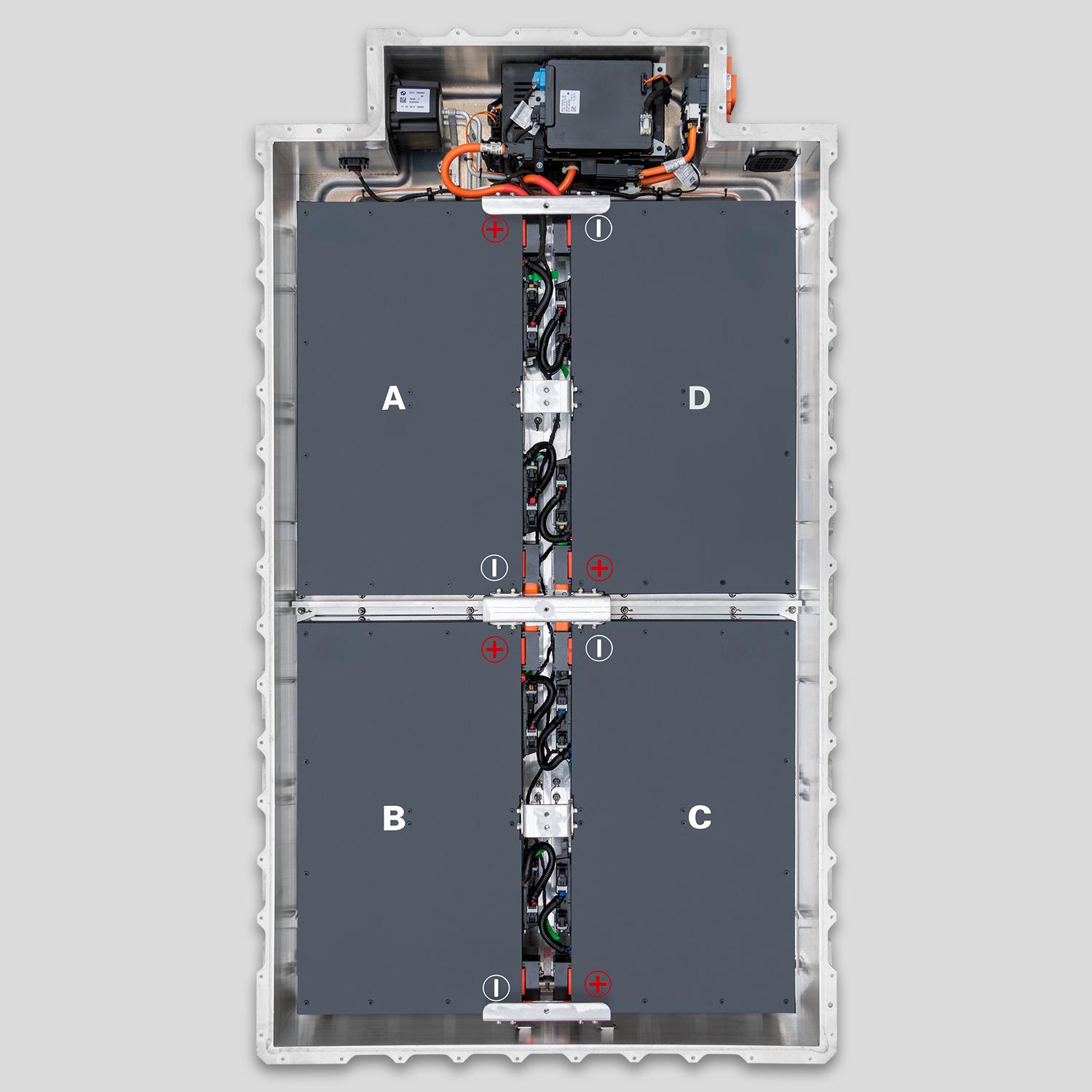
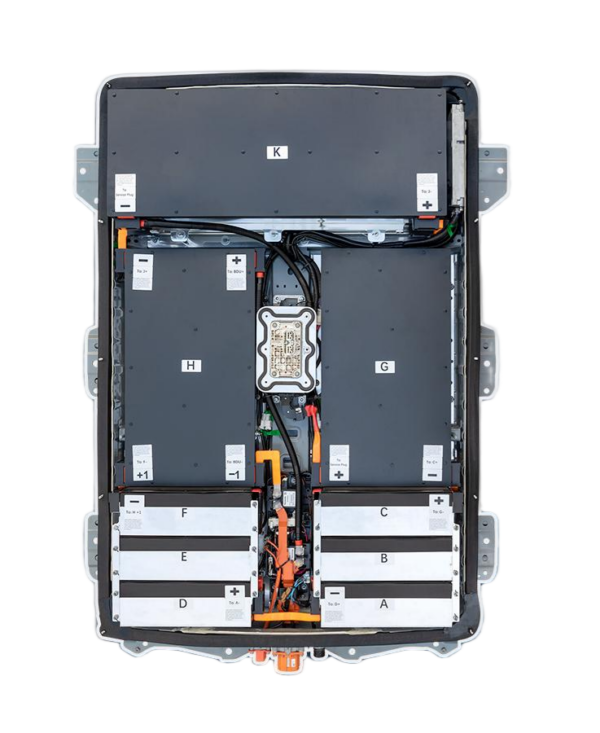
Before accessing modules, inspect the battery pack exterior for corrosion, leaks, or damage. For ZE1 models, check cooling line connections for cracks—repair any issues before proceeding. Label all wiring harnesses and module connectors with tape or markers; take photos for reference to avoid misconnection. Test the high-voltage service plug with a multimeter to confirm residual voltage is below 5V.
2. Module Removal (Safe Practices)
Remove the battery pack from the Leaf using a rated trolley (1,000+ lb capacity) to avoid physical strain or pack damage. For ZE0 models, carefully disconnect passive cooling ducts; for ZE1, drain the cooling system per Nissan’s procedure (use approved coolant disposal methods). Loosen module mounting bolts in a crisscross pattern (torque spec: 15 Nm) and lift modules individually using non-conductive tools. Place modules on non-conductive surfaces (rubber mats) and avoid touching terminal contacts.
3. Module Installation & Calibration
Install CNS BATTERY modules in the same orientation as the original units, ensuring connectors are fully seated (listen for a click). Tighten mounting bolts to 15 Nm, avoiding over-torquing (which can damage module casings). Reconnect cooling components (ZE1) or ducts (ZE0) and refill the cooling system (ZE1) with Nissan-approved coolant. Reconnect the 12V battery and use a Nissan-specific OBD-II scanner to calibrate the BMS—this syncs new modules with the Leaf’s electrical system, preventing overcharging or undercharging.
4. Post-Upgrade Safety Testing
Conduct a series of tests to verify safety and performance. Use a multimeter to check module voltage balance (variance should be ≤0.05V per module). Test charging at Level 2 (240V) to ensure the BMS regulates current correctly. Monitor battery temperature during charging and test driving—temperatures exceeding 45℃ indicate a cooling or calibration issue. Address any errors before regular use.
Risks of Unsafe Module Upgrades (And How to Avoid Them)
Cutting corners on safety leads to costly, dangerous outcomes. Here are common risks and CNS BATTERY’s solutions to prevent them.
Thermal Runaway
Using modules without thermal protection (common in generic options) can cause overheating and thermal runaway. Our modules include built-in thermal sensors and fuses that disconnect cells if temperatures exceed 60℃, eliminating this risk.
Voltage Imbalance
Mismatched or unbalanced modules lead to overcharging of weaker cells. We pre-balance all modules before shipping, and our BMS calibration process ensures ongoing balance—avoiding premature module failure.
Electrical Shock
Skipping capacitor discharge or using uninsulated tools causes shock. Our step-by-step guide emphasizes proper power disconnection, and we provide a safety checklist to confirm all high-voltage components are isolated.
Benefits of Safe Nissan Leaf Battery Module Upgrades
A safe module upgrade delivers more than just range—it protects your investment and extends your Leaf’s lifespan.
Cost-Effective Performance Boost
Upgrading modules costs 30-40% less than a full pack swap. For ZE0 24kWh Leafs, our LFP module upgrade boosts range by 20% (84 miles to 101 miles) at a fraction of the OEM pack cost.
Enhanced Durability
Our LFP and sodium-lithium modules offer 2,000+ charge cycles (double the original manganese modules), extending your Leaf’s usable life by 5-7 years.
Peace of Mind
All CNS BATTERY modules are backed by a 3-year warranty, covering defects, thermal issues, and voltage imbalance. Our safety-focused design means you can enjoy improved performance without compromising safety.
Frequently Asked Questions (FAQ) About Safe Module Upgrades
Can I upgrade modules myself safely?
Only if you have experience with high-voltage systems and follow strict safety protocols. Beginners should opt for professional installation—our technicians are certified in Leaf module upgrades and use specialized safety tools.
Will module upgrades void my Leaf’s warranty?
No. Our certified modules and professional installation preserve your Leaf’s non-battery warranty (motor, controller, etc.). We provide detailed records to Nissan, ensuring warranty coverage remains intact.
How often do upgraded modules need replacement?
Our LFP and sodium-lithium modules last 5-7 years (2,000+ charge cycles), retaining 80% capacity. This is double the lifespan of original modules, reducing long-term maintenance costs.
Are upgraded modules compatible with fast charging?
Yes. Our modules are engineered to handle the Leaf’s original fast-charging profile (CHAdeMO). The BMS calibration ensures safe fast charging without overheating.
Upgrade Your Leaf Battery Modules Safely with CNS BATTERY
Don’t risk safety for a cheaper module upgrade. CNS BATTERY’s safety-tested modules, expert guidance, and professional installation ensure a secure, reliable upgrade for your Nissan Leaf. Whether you’re restoring a ZE0 or boosting a ZE1, we have the perfect module solution. 立即访问https://cnsbattery.com/nissan-leaf-battery/,获取独家折扣并咨询专家升级方案! Our team will help you select compatible modules and ensure a safe, seamless upgrade process.