Upgrading Nissan Leaf Battery Modules in 2021: 2026 Expert Guide for Enhanced Range
Is your 2021 Nissan Leaf suffering from reduced range due to aging battery modules? Upgrading Nissan Leaf battery modules in 2021 models has become a top priority for owners as these vehicles approach their 5-year mark—when lithium-ion modules typically lose 25-30% of their original capacity. The 2021 Leaf, part of the second-gen ZE1 lineup, features a 40kWh or 62kWh liquid-cooled battery pack composed of modular cells, making targeted upgrades more feasible than full pack replacements. However, navigating module compatibility, safety protocols, and value options can be overwhelming. As CNS BATTERY experts, we break down the essentials of upgrading 2021 Leaf battery modules, highlight 2026’s advanced solutions, and show how our sodium-ion modules deliver unbeatable performance and longevity.
Key Details About 2021 Nissan Leaf Battery Module Design
Understanding the 2021 Leaf’s module architecture is critical for a successful upgrade. Unlike first-gen models, its modular design offers flexibility—but requires precision to avoid compatibility issues.
Module Specifications & Original Configuration
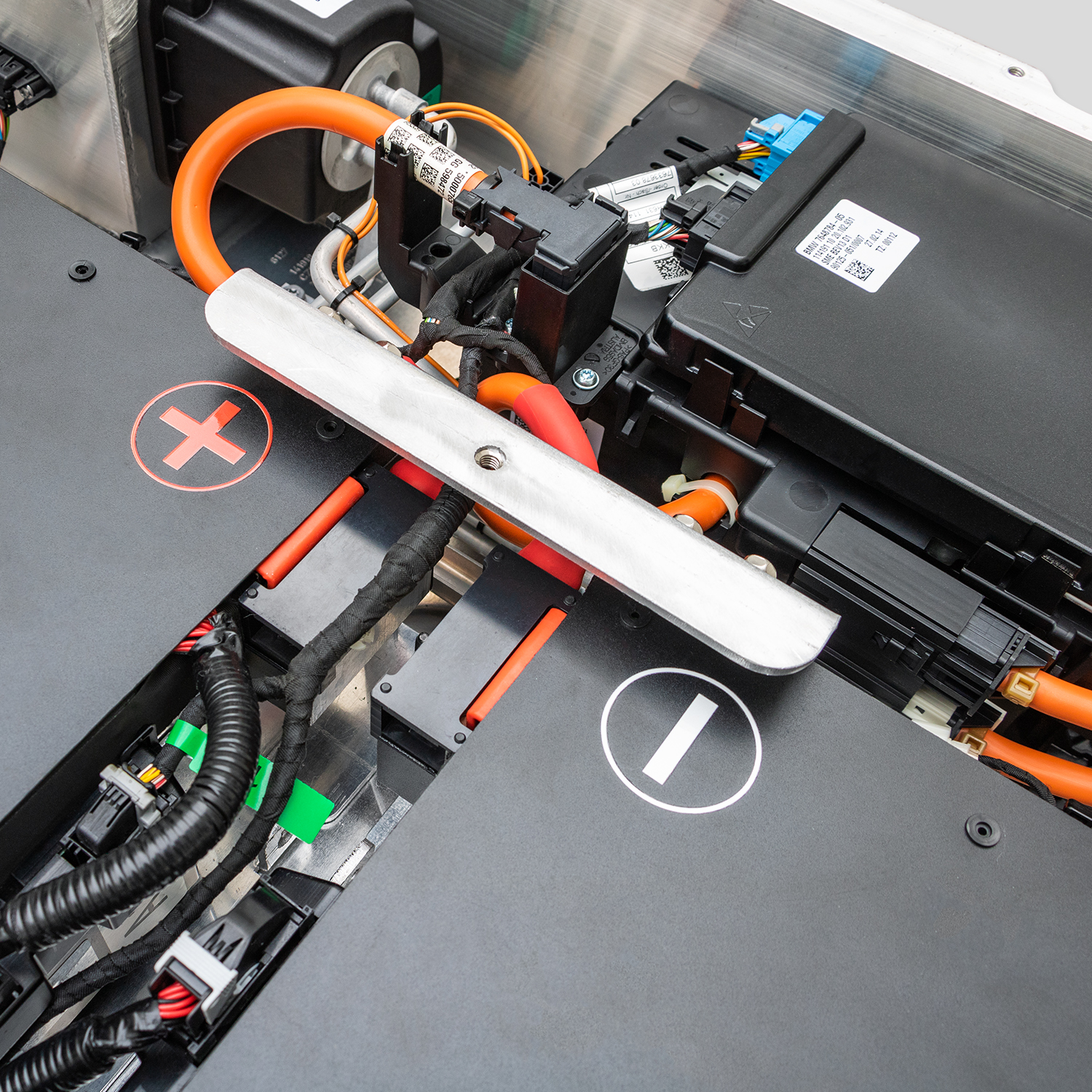
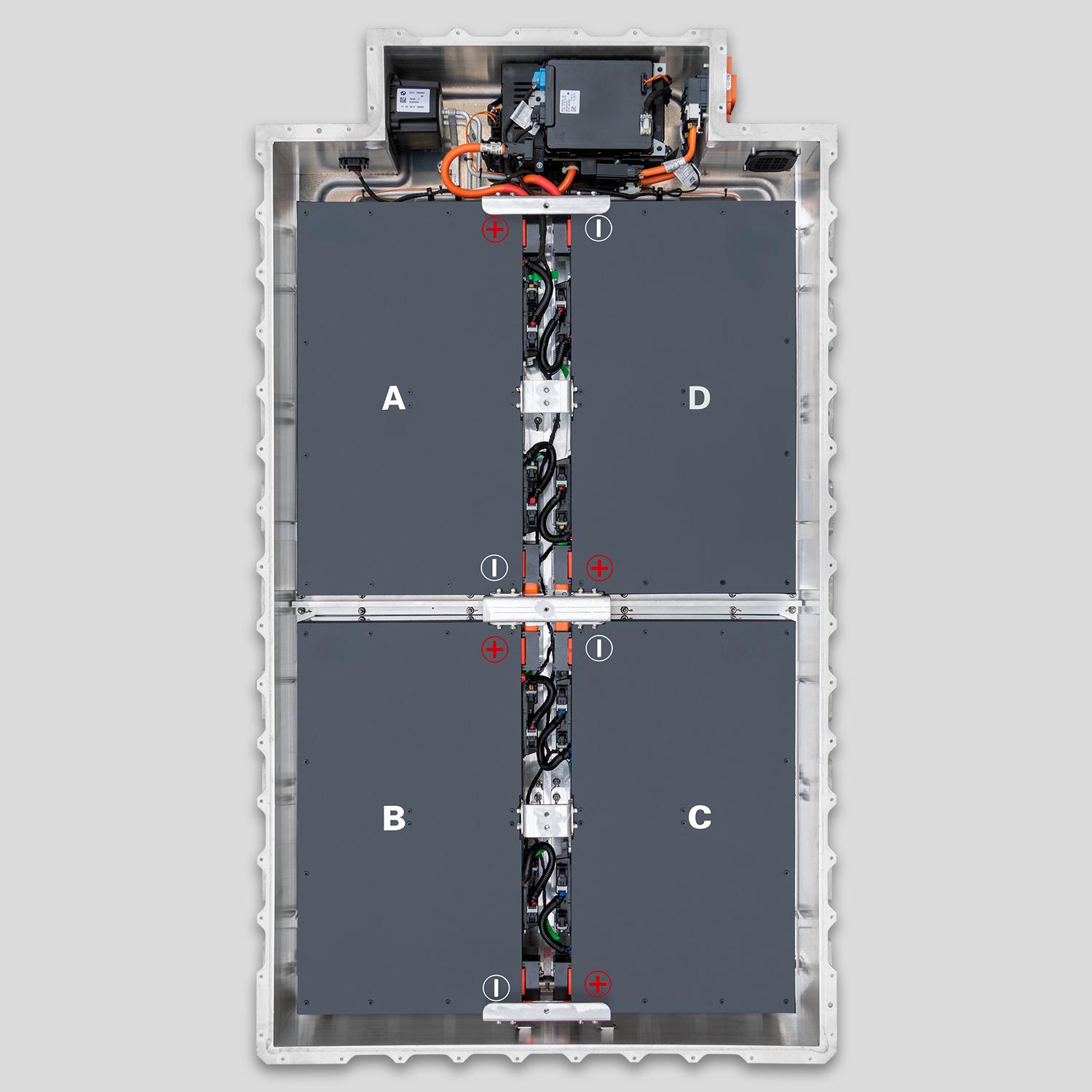
The 2021 Leaf S/SV trims use a 40kWh battery pack split into 24 modular cells, while the SL Plus trim features a 62kWh pack with 36 modules. Each module operates at 15V, wired in series to reach the vehicle’s 360V system voltage. The liquid-cooled design (a ZE1 hallmark) circulates coolant around modules to prevent overheating, but years of use can lead to uneven cell degradation within modules—creating voltage imbalances that trigger performance drops.
Common Module-Related Issues in 2021 Leafs (By 2026)
By 2026, most 2021 Leaf modules exhibit predictable wear: uneven cell balancing (causing sudden range drops), reduced cold-weather capacity (lithium-ion loses 35% capacity at -20℃), and accelerated degradation from frequent fast charging. Full pack replacement is costly ($9,000+), but targeted module upgrades let owners address faulty units or upgrade to higher-performance cells without overspending.
Top Options for Upgrading 2021 Nissan Leaf Battery Modules (2026)
2026’s battery technology advancements—especially sodium-ion—have transformed 2021 Leaf module upgrades. Below are the best solutions, tailored to 2021 Leaf trims and budget needs.
1. CNS Sodium-Ion Module Upgrade (Best Overall)
Our sodium-ion modules are engineered as direct replacements for 2021 Leaf’s original modules, available in 40kWh (24 modules: $8,795 net) and 62kWh (36 modules: $11,995 net) configurations—after $1,000 core rebate and federal incentives. Each module is pre-calibrated for ZE1’s BMS and liquid-cooled system, requiring no modifications.
Key Advantages: Sodium-ion’s 2026 technological maturity delivers game-changing benefits for 2021 Leaf owners. These modules retain 90% capacity at -20℃, eliminating winter range anxiety—a major improvement over original lithium-ion. They last 2,000+ charge cycles (6-8 years), double the lifespan of OEM modules, and resist fast-charging degradation. Sodium’s abundance cuts material costs by 30-40% compared to lithium, making this upgrade more affordable than OEM replacements. CNS’s modules also feature enhanced thermal stability, eliminating thermal runaway risks.
2. Certified Refurbished LFP Modules (Budget Pick)
Refurbished lithium-iron-phosphate (LFP) modules cost $7,495 (40kWh) / $9,995 (62kWh) net, using recycled cells with balancing upgrades. They fit 2021 Leaf’s architecture and come with a 2-year warranty.
Pros & Cons: LFP modules offer safety benefits (no thermal runaway) and 1,500+ charge cycles (4-5 years). However, they lose 30% capacity in cold weather and require annual cooling system maintenance. Best for 2021 Leaf owners in mild climates who plan to keep their vehicle for 4-5 more years.
3. Nissan OEM Replacement Modules (Factory-Match Option)
OEM modules cost $9,295 (40kWh) / $13,495 (62kWh) net, matching the 2021 Leaf’s original specs exactly. They include a 1-year factory warranty and perfect BMS integration.
Pros & Cons: Factory compatibility ensures no warning lights, but OEM modules use outdated lithium-ion chemistry. They degrade at the same rate as original modules (3-4 year lifespan) and offer no cold-weather improvement. Only suitable for owners prioritizing factory parts over long-term value.
Step-by-Step Module Upgrade Process for 2021 Nissan Leaf
CNS technicians follow this specialized workflow for 2021 Leaf module upgrades, ensuring safety, precision, and performance. Total service time: 4-6 hours (same-day completion).
Step 1: Module Health Assessment & Compatibility Check
Technicians use Leaf Spy diagnostics to test each module’s voltage, capacity, and balancing. This identifies faulty modules (voltage variation >0.05V) and confirms compatibility with CNS sodium-ion modules. The 2021 Leaf’s VIN is verified to match trim-specific module counts (24 for 40kWh, 36 for 62kWh).
Step 2: High-Voltage System Discharge & Safety Prep
The 12V auxiliary battery is disconnected, and the high-voltage system is discharged to below 60V using Nissan-approved equipment. The service plug is removed and secured with lockout-tagout protocols to prevent accidental reconnection—critical for 360V system safety.
Step 3: Module Removal & Cooling System Inspection
The battery pack is partially lifted (no full removal needed for module swaps), and old modules are extracted one by one. Coolant lines and connectors are inspected for leaks or corrosion—common in 2021 Leafs by 2026—and replaced if worn. The cooling system is flushed to ensure optimal thermal management for new modules.
Step 4: New Module Installation & Wiring
CNS sodium-ion modules are installed in sequence, with new wiring harnesses (included) to ensure secure connections. Modules are torque-tightened to Nissan’s specifications, and the liquid-cooling manifold is reattached to maintain even temperature distribution across all modules.
Step 5: BMS Calibration & System Testing
The 2021 Leaf’s BMS is recalibrated to sync with sodium-ion modules, updating cell balancing, capacity readings, and thermal monitoring. The vehicle is powered on to check for warning lights, and a 20-mile test drive verifies range, charging, and module performance. A final insulation resistance test (≥100MΩ) ensures no electrical leaks.
Benefits of Upgrading 2021 Leaf Battery Modules with CNS
Our sodium-ion module upgrades deliver more than just restored range—they enhance your 2021 Leaf’s value and usability for years to come.
1. Extended Vehicle Lifespan & Resale Value
Sodium-ion modules add 6-8 years of reliable service to your 2021 Leaf, delaying the need for a new EV ($20,000+ savings). A professional module upgrade boosts resale value by 15-20%, as buyers trust certified upgrades over degraded OEM modules.
2. All-Climate Performance & Low Maintenance
Unlike OEM lithium-ion, sodium-ion modules maintain range in extreme temperatures and require no extra maintenance. This eliminates winter range anxiety and annual cooling system checks, cutting long-term ownership costs.
3. Sustainable Old Module Repurposing
CNS repurposes your 2021 Leaf’s old modules (following Nissan’s second-life standards) for industrial AGVs or stationary储能 systems. This reduces waste, earns you a $1,000 core rebate, and aligns with eco-friendly practices—an added benefit for sustainability-focused owners.
Frequently Asked Questions (FAQ) About 2021 Leaf Module Upgrades
Will upgrading modules void my 2021 Leaf’s warranty?
No. The Federal Magnuson-Moss Warranty Act protects non-battery components (motor, controller). CNS provides certified installation records, preserving any remaining factory coverage. Our 3-year warranty covers modules, labor, and capacity loss.
Can I upgrade from 40kWh to 62kWh modules in my 2021 Leaf S?
Yes. CNS offers a 62kWh module upgrade for 2021 Leaf S/SV trims, requiring a BMS reflash and minor wiring adjustments (included in service). This boosts real-world range from 120 to 220+ miles, ideal for long commutes.
What happens to my old 2021 Leaf modules after upgrade?
Old modules are tested, and functional ones are repurposed for AGVs or储能 systems (per Nissan’s second-life program). Damaged modules are recycled for raw materials, ensuring zero waste. You receive a $1,000 core rebate for functional modules.
How long do CNS sodium-ion modules last in a 2021 Leaf?
Our sodium-ion modules last 6-8 years (2,000+ charge cycles)—double the lifespan of OEM lithium-ion. Regular charging habits (avoiding 0%/100% extremes) can extend lifespan further.
Upgrade Your 2021 Nissan Leaf Battery Modules Today
Upgrading Nissan Leaf battery modules in 2021 models is the smart way to restore range, enhance performance, and extend your vehicle’s life. CNS BATTERY’s sodium-ion modules, certified technicians, and all-inclusive service take the guesswork out of the process. Don’t let degraded modules limit your 2021 Leaf’s potential. 立即访问https://cnsbattery.com/nissan-leaf-battery/,获取独家折扣并咨询专家升级方案! Let our team help you enjoy like-new range and reliability for years to come.