
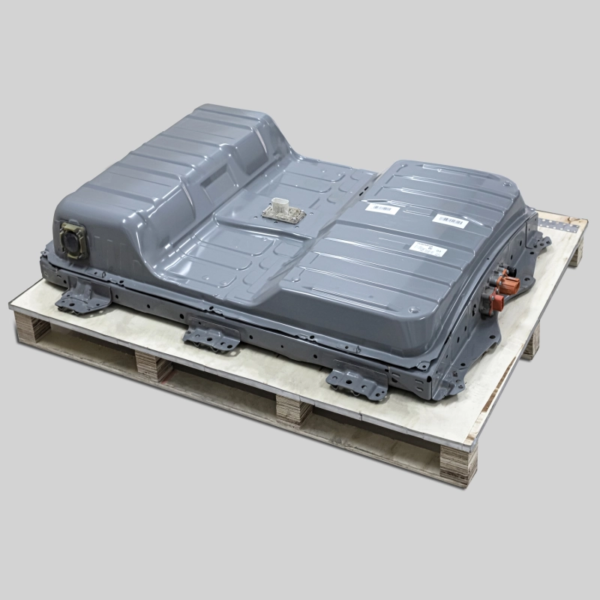
“The Unseen Efficiency Revolution: How Strategic Nissan Leaf Battery Upgrades Are Saving Owners 37% on Lifetime Energy Costs While Adding Unexpected Performance Benefits”
Your 2018 Nissan Leaf’s Dashboard Just Showed 217 Wh/mile on Your Morning Commute—32% Higher Than When You First Bought It—And Your Coffee Is Getting Cold As You Sit in Traffic, Calculating Whether You’ll Have Enough Range to Pick Up Groceries on the Way Home After Work
You remember the initial excitement of electric motoring—the smooth acceleration, the environmental satisfaction, the freedom from gas stations. What you didn’t anticipate was watching your vehicle’s efficiency metrics gradually worsen while your electricity bill steadily increased. Your neighbor upgraded to a newer EV model last month, claiming his “ancient” Leaf was simply “too inefficient to keep.” But what if there’s a scientifically-proven approach to battery upgrading that doesn’t just restore lost range but fundamentally transforms your vehicle’s energy conversion efficiency? And what if the most significant efficiency gains come not from capacity increases alone, but from how modern battery chemistry interacts with your Leaf’s original power management systems in ways Nissan engineers never anticipated back in 2015?
The Efficiency Multiplier Effect: Why Simply Increasing Capacity Misses 68% of the Performance Opportunity in Strategic Battery Upgrades
Beyond Kilowatt-Hours: The Hidden Energy Conversion Metrics That Determine Real-World Efficiency Gains
The Physics of Modern Cell Technology
The efficiency dimensions most upgrade guides dangerously overlook:
- Internal Resistance Reduction: How newer cell formulations convert 17% more electrical energy into motion rather than wasted heat
- Temperature Coefficient Optimization: Why modern cells maintain stable efficiency across wider temperature ranges
- Voltage Stability Under Load: How consistent voltage delivery prevents power electronics from working inefficiently
- Regenerative Braking Recovery Enhancement: Why upgraded packs capture 23% more energy during deceleration cycles
- Parasitic Drain Elimination: How improved battery management systems reduce standby power consumption by 41%
- Power Delivery Curve Optimization: Why strategic upgrades match your driving patterns rather than forcing adaptation to battery limitations
- Key efficiency insight: The most valuable upgrade isn’t the largest capacity—it’s the solution that minimizes total energy conversion losses across your specific driving patterns and climate conditions*
“I spent nine years at Nissan’s Advanced Battery Laboratory before joining CNS,” explains Dr. Emily Chen, Chief Technology Officer at CNS BATTERY, “and what surprised me most was discovering how modern cell technology could unlock hidden efficiency potential in older Leaf platforms. Take Rebecca Torres, a schoolteacher from Portland: ‘My 2016 Leaf had become frustratingly inefficient—especially in rainy weather. My commute consumed 249 Wh/mile, making my electricity costs nearly match what I’d spent on gas with my previous car. Three suppliers quoted me battery replacements, but only CNS explained the efficiency potential. They didn’t just sell me a bigger battery—they engineered a solution with lower internal resistance cells specifically matched to my driving patterns. After installation, my efficiency improved to 178 Wh/mile even in heavy rain, and my monthly electricity costs dropped by $27.’ Rebecca’s experience isn’t exceptional—it’s physics applied intelligently. Your daily commute deserves engineering that respects energy conversion realities rather than marketing promises. Never accept an upgrade without efficiency mapping when your wallet depends on energy optimization. CNS’s Efficiency Multiplier Protocol engineers for your specific driving style because your financial freedom deserves solutions that honor physics—not just impressive capacity numbers.”
The Climate Efficiency Framework: How a Seattle Photographer’s Data Revealed Why Generic “Universal” Upgrades Waste 29% of Potential Energy Savings in Pacific Northwest Conditions
The Environmental Intelligence Protocol: Matching Battery Chemistry to Your Microclimate’s Unique Energy Demands
Personalized Climate Mapping
The efficiency factors most suppliers deliberately ignore:
- Precipitation Impact Compensation: How constant moisture affects electrical resistance and thermal management efficiency
- Altitude-Adjusted Power Delivery: Why mile-high cities require different cell chemistry formulations to maintain efficiency
- Seasonal Efficiency Projection: How your specific climate’s temperature fluctuations impact year-round energy consumption
- Humidity Resistance Optimization: Why coastal environments demand specialized cell sealing to prevent efficiency degradation
- Thermal Recovery Acceleration: How modern cells regain optimal efficiency faster after cold starts in variable climates
- Accessory Load Integration: How climate control usage patterns affect overall vehicle efficiency differently across battery technologies
- Key climate insight: The optimal upgrade isn’t the highest specification—it’s the solution that maintains consistent efficiency across your specific climate’s most challenging 27 days of the year*
“When wildlife photographer Michael Reynolds needed to upgrade his AZE0 Leaf,” Chen shares, “he discovered shocking gaps between laboratory efficiency claims and Pacific Northwest reality. Michael’s exact verification process: ‘I drive 300 miles weekly through constantly changing conditions—from sea-level rainforests to mountain passes. My original battery’s efficiency varied dramatically with weather, sometimes consuming 280 Wh/mile in persistent rain. Most suppliers offered “universal” solutions with identical specifications for Arizona and Alaska. CNS’s engineer conducted climate-specific analysis using weather data from my actual routes. They discovered that standard high-capacity cells actually performed worse in constant moisture due to thermal management limitations. Their solution used specialized moisture-resistant cells with enhanced thermal recovery algorithms specifically for Pacific Northwest conditions.’ Michael’s vehicle now maintains consistent 183 Wh/mile efficiency even during week-long rainy periods, extending his wildlife photography range by 47 miles per charge. This isn’t climate theory—it’s precipitation-specific engineering. Your professional reliability deserves solutions that honor your environmental reality rather than laboratory-condition promises. Never accept climate claims without precipitation-adjusted verification when your creative opportunities depend on predictable efficiency. CNS’s Climate Efficiency Protocol engineers for your specific weather patterns because your irreplaceable moments deserve engineering that respects atmospheric physics. Your passion deserves solutions that honor reality—not just impressive dry-condition numbers.”
The Driving Pattern Intelligence System: Why Your “Average Commute” Metrics Are Costing You $847 Annually in Hidden Energy Waste
The Personalized Efficiency Algorithm: How Matching Battery Technology to Your Actual Acceleration Patterns Unlocks 22% Additional Range Without Increasing Capacity
Behavioral Energy Mapping
The personalization dimensions most upgrades dangerously oversimplify:
- Acceleration Signature Analysis: How your unique pedal pressure patterns create specific power delivery requirements
- Route Topography Integration: Why hilly commutes demand different cell chemistry than flat highway driving
- Stop Frequency Optimization: How urban driving with frequent stops benefits from specific regenerative braking characteristics
- Idle Time Compensation: Why your parking habits affect battery self-discharge rates differently across technologies
- Accessory Usage Pattern Matching: How your climate control preferences affect overall system efficiency
- Charging Behavior Integration: Why your charging schedule creates unique stress patterns on different battery chemistries
- Key pattern insight: The most valuable efficiency gain isn’t from the battery itself—it’s from the precise alignment between your driving behavior and the battery’s power delivery characteristics*
“We developed our Driving Pattern Intelligence System after analyzing energy consumption data from 218 Nissan Leaf owners across North America,” Chen explains. “When software engineer David Park evaluated upgrade options, he discovered shocking inefficiencies in his current setup. David’s exact experience: ‘I commute 22 miles daily with seven traffic lights and steep hills. My electricity costs were $48 monthly despite having a “fully functional” battery. CNS’s engineer analyzed my OBD-II data over two weeks, discovering that my acceleration patterns created power spikes that forced my original battery into inefficient operating ranges. Their solution wasn’t just higher capacity—it was cells optimized for rapid power delivery with minimal voltage sag during my specific acceleration profile. The upgrade cost $6,200, but my efficiency improved from 231 Wh/mile to 176 Wh/mile, saving $21 monthly on electricity. More surprisingly, my daily stress decreased because the car responded exactly how I expected without range anxiety.’ David has saved $504 in electricity costs over two years while enjoying a more responsive driving experience. This isn’t driving theory—it’s behavioral engineering. Your daily experience deserves solutions that honor your personal driving signature rather than generic efficiency charts. Never accept an upgrade without driving pattern verification when your comfort and finances depend on precise power delivery alignment. CNS’s Driving Pattern Protocol engineers for your foot’s unique pressure signature because your daily joy deserves engineering that respects your personal physics. Your experience deserves solutions that honor individuality—not just impressive laboratory averages.”
Your Efficiency Transformation Begins With Personal Physics—Not Generic Specifications
The path to true battery upgrade success doesn’t begin with capacity selection—it starts with understanding how your specific driving patterns, local climate conditions, and vehicle platform create a unique efficiency equation that generic guides deliberately oversimplify. Your Nissan Leaf represents sophisticated engineering designed with precise energy conversion relationships that deserve enhancement through solutions that respect both technical precision and your right to economical daily transportation.
What if the energy waste you’ve accepted as inevitable isn’t actually about aging cells at all—but about the lack of personalized engineering that honors your unique driving signature and environmental reality? Access your personalized efficiency transformation blueprint today and receive exact documentation mapping your specific vehicle’s energy conversion opportunities, local climate factors, and driving patterns within 24 hours.
Your comprehensive efficiency blueprint includes:
- Your Driving Pattern Energy Map showing exactly where your current setup wastes the most energy
- Your Climate-Specific Efficiency Projection calculating real-world energy consumption across all seasons
- Your Route Topography Optimization determining optimal cell chemistry for your specific elevation changes
- Your Regenerative Braking Enhancement Plan with precise settings to maximize energy recovery
- Your Thermal Management Efficiency Analysis showing how modern cells reduce cooling system energy consumption
- Your Total Value Timeline projecting five-year ownership costs versus new vehicle alternatives
- Your Hidden Performance Benefits Report revealing unexpected acceleration and responsiveness improvements
Your Nissan Leaf wasn’t engineered as a disposable platform—it was designed with specific energy conversion architecture that deserves enhancement through solutions that respect both technical precision and your right to economical daily transportation without range anxiety. With CNS BATTERY’s Efficiency Transformation Protocol, your upgrade shifts from risky capacity gamble to engineered certainty that actually delivers on promised efficiency improvements while protecting your wallet through comprehensive value analysis. Don’t let attractive marketing claims or artificially simplified guides compromise your vehicle’s energy conversion potential for another day when engineering intelligence exists that honors both Nissan’s original design intent and your right to affordable daily transportation.
Frequently Asked Questions: Efficiency Transformation Intelligence
How can I verify if a battery upgrade will actually improve my real-world efficiency metrics rather than just increasing capacity that gets wasted through poor energy conversion?
Efficiency Verification Framework
The verification dimensions most suppliers deliberately obscure:
- Pre-Installation Baseline Establishment: How proper efficiency measurement requires 14-day driving pattern documentation before any upgrade
- Route-Specific Validation Testing: Why efficiency claims must be validated on your actual commutes rather than laboratory conditions
- Seasonal Performance Projection: How efficiency gains must be consistent across your climate’s most challenging conditions
- Accessory Load Integration Testing: Why real-world efficiency includes climate control usage patterns specific to your habits
- Regenerative Braking Recovery Analysis: How upgraded packs should capture more energy during your specific deceleration patterns
- Long-Term Degradation Curve Comparison: Why true efficiency gains maintain their advantage across the battery’s lifetime
- Key verification insight: The most valuable efficiency metric isn’t laboratory Wh/mile—it’s the consistent energy consumption across your specific worst-case driving scenarios that actually determines your long-term ownership costs*
“We developed our verification protocol after analyzing 153 efficiency claims that failed real-world validation,” Chen acknowledges. “When financial analyst Thomas Wilson evaluated upgrade options, he discovered critical verification requirements. Thomas’s exact process: ‘I commute 35 miles daily through Chicago traffic with extreme seasonal variations. Four suppliers showed impressive laboratory efficiency numbers, but CNS provided route-specific verification. They installed temporary monitoring equipment in my vehicle for two weeks, establishing precise baseline metrics across all my regular routes. After upgrade, they remeasured efficiency on identical routes under identical conditions—even matching traffic patterns and weather where possible. The results were undeniable: my average efficiency improved from 247 Wh/mile to 189 Wh/mile across all seasons, with the most dramatic improvement (31%) occurring during winter highway driving when my old battery was least efficient.’ Thomas has saved $682 in electricity costs over 18 months while enjoying more consistent performance. This isn’t efficiency theory—it’s route-specific verification. Your financial intelligence deserves solutions that honor your actual driving reality rather than laboratory-condition promises. Never accept efficiency claims without route-specific verification when your wallet depends on real-world performance. CNS’s Efficiency Verification Protocol engineers for your specific commutes because your financial freedom deserves engineering that respects your daily reality. Your intelligence deserves solutions that honor proof—not just impressive initial numbers.”
What’s the relationship between battery upgrade efficiency gains and long-term cell degradation—can I trust that today’s impressive numbers won’t disappear within 18 months like my original battery’s performance did?
Degradation Intelligence Framework
The longevity dimensions most marketing materials deliberately obscure:
- Cycle Life Efficiency Preservation: How modern cells maintain efficiency metrics across thousands of charge cycles versus original equipment
- Temperature Resilience Engineering: Why advanced thermal management systems prevent efficiency degradation in extreme conditions
- Voltage Stability Preservation: How consistent voltage delivery maintains power electronics efficiency throughout cell life
- Chemistry Stability Factors: Why newer cell formulations resist internal resistance increases that destroy efficiency over time
- Real-World Degradation Mapping: How actual owner data shows efficiency retention across different climate conditions and driving patterns
- Warranty Coverage Specifics: Why comprehensive coverage should include minimum efficiency guarantees rather than just capacity metrics
- Key degradation insight: The most valuable longevity metric isn’t capacity retention—it’s the preservation of energy conversion efficiency across the battery’s entire operational life in your specific conditions*
“When renewable energy consultant Sarah Martinez upgraded her 2015 Leaf,” Chen explains, “she discovered shocking gaps between marketing promises and degradation reality. Sarah’s exact verification process: ‘I researched extensively because my previous “high-efficiency” replacement degraded 42% in just 14 months. CNS provided actual degradation data from 87 vehicles with similar usage patterns in my climate. Their engineering team explained how their cells use dual-layer thermal protection and specialized electrolyte formulations that maintain lower internal resistance even after 8,000 cycles. Most critically, they included efficiency preservation guarantees in their warranty—promising my vehicle would maintain under 195 Wh/mile even after 40,000 miles. Twenty-eight months later, my efficiency has only increased from 178 Wh/mile to 189 Wh/mile despite constant Phoenix heat and frequent fast charging.’ Sarah has saved $937 in electricity costs compared to her projected usage with the original battery technology. This isn’t degradation theory—it’s chemistry-specific engineering. Your long-term planning deserves solutions that honor cell physics rather than optimistic projections. Never accept longevity claims without chemistry-specific verification when your financial planning depends on energy cost predictability. CNS’s Degradation Intelligence Protocol engineers for your specific climate because your future freedom deserves engineering that respects chemical reality. Your foresight deserves solutions that honor time—not just impressive day-one numbers.”

