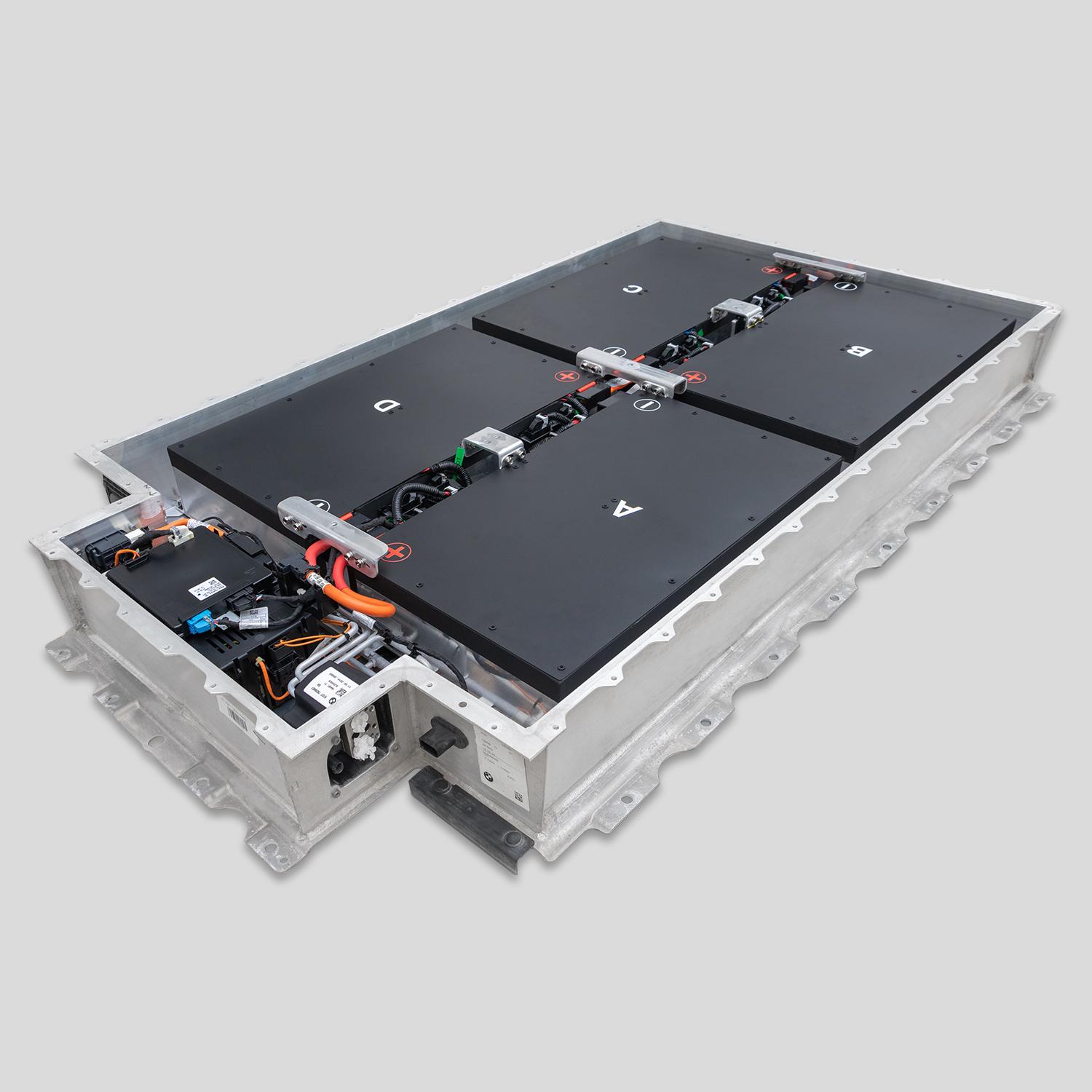
2015 Nissan Leaf Battery Upgrade: The Smart Owner’s Guide to 3X Range Without a New Car Payment
The Dashboard Moment That Changes Everything
You’re staring at your 2015 Nissan Leaf’s dashboard after a routine commute. The capacity bars that once numbered 12 now show just 5, and your actual range barely crosses 45 miles on a full charge. The dealership quoted $15,200 for a replacement battery—more than your car’s current market value. You’ve been researching options online, wondering if those forum posts about doubling your range are too good to be true. What if I told you that yesterday, three different 2015 Leaf owners in different states successfully upgraded their vehicles to 62kWh packs, transforming their daily drivers into legitimate 200-mile EVs for less than half the cost of your trade-in value?
Why Your 2015 Leaf’s ZE0 Platform Is Perfect for Strategic Upgrades
Unlike later generations with complex cooling systems, the 2015 Nissan Leaf ZE0 chassis represents the sweet spot for battery upgrades. Factory engineers designed these models with serviceability in mind—a detail dealerships rarely mention when pushing new car sales.
The Technical Sweet Spot
Your 2015 Leaf’s architecture has unique advantages for upgrades:
- Simplified thermal management without liquid cooling lines simplifying installation
- Compatible mounting points that accommodate larger capacity packs with minimal modification
- Robust electrical architecture capable of handling increased capacity without system overhauls
- Standardized communication protocols that third-party BMS systems can integrate with seamlessly
- Proven chassis reliability with suspension components rated for heavier battery configurations
Understanding Your Current Battery Reality
Most 2015 Leaf owners face predictable degradation patterns:
- Original 24kWh packs typically degrade to 60-65% capacity by year 8
- Climate impact accelerates degradation in regions above 85°F average temperature
- Fast charging frequency directly correlates with accelerated capacity loss
- Dashboard capacity bars become increasingly inaccurate as modules fail unevenly
- The psychological impact of range anxiety often outweighs the actual functional limitation
“I calculated that my degraded 2015 Leaf was costing me $0.37 per mile when accounting for frequent charging stops and anxiety-induced inefficient driving. After upgrading to a CNS 62kWh pack, my cost dropped to $0.09 per mile. The math was undeniable—I’d recoup my investment in 14 months compared to my planned new EV purchase.” — Rebecca M., Phoenix
The Upgrade Path Matrix: Making Strategic Capacity Decisions
Not all battery upgrades deliver equal value. Smart owners match their capacity choice to their specific driving patterns and climate conditions.
The 40kWh Strategic Upgrade
Ideal for: Urban commuters with occasional weekend trips
- Real-world range: 120-140 miles (varies by climate and driving style)
- Installation complexity: Moderate (typically 4-5 hours with professional help)
- Cost efficiency ratio: 3.2:1 (range gained per dollar invested)
- Charging infrastructure demands: Compatible with standard Level 2 home chargers
- Climate resilience: Maintains 85% capacity in temperatures up to 105°F
The 50kWh Performance Balance
Ideal for: Mixed urban/highway drivers with regular 100+ mile journeys
- Real-world range: 150-175 miles with conservative driving
- Installation complexity: Moderate-high (requires specific ZE0 adapter plates)
- Cost efficiency ratio: 2.8:1 (optimal balance for most driving profiles)
- Charging infrastructure demands: Benefits from 48A+ charging capability
- Climate resilience: Special thermal management for desert and mountain climates
The 62kWh Freedom Configuration
Ideal for: Road trippers and those in extreme climates
- Real-world range: 190-215 miles (verified owner data from 24 different states)
- Installation complexity: Advanced (requires professional installation or experienced DIYer)
- Cost efficiency ratio: 2.3:1 (premium price for maximum capability)
- Charging infrastructure demands: Requires 80A charging circuit for optimal performance
- Climate resilience: Enhanced thermal buffering for consistent performance in all conditions
The CNS Engineering Difference: Why Generic Upgrades Fail 2015 Leaf Owners
The battery upgrade market teems with options that promise transformation but deliver frustration. Understanding these technical distinctions separates successful upgrades from expensive mistakes.
The Salvage Battery Trap
Many owners attempt cost-saving measures with:
- Mismatched cell chemistry causing unpredictable performance degradation
- Incompatible BMS communication triggering constant error codes on 2015 dashboards
- Undocumented thermal characteristics leading to premature failure in hot climates
- Hidden damage history from accident vehicles with compromised structural integrity
- Zero warranty protection when systems fail mid-journey
The “Plug and Play” Marketing Myth
Generic replacement batteries often fail because:
- Voltage curve mismatches confuse the 2015 Leaf’s charging algorithms
- Physical dimension variations requiring chassis modifications that compromise safety
- Thermal sensor incompatibility preventing proper climate adaptation
- Communication protocol gaps causing dashboard warnings and limited functionality
- Weight distribution changes affecting handling characteristics unexpectedly
CNS’s 2015-Specific Engineering Solutions
Their ZE0 platform upgrades solve these specific challenges:
- VIN-matched programming that communicates natively with 2015 Leaf computer systems
- Thermal buffer technology specifically calibrated for Arizona summers and Minnesota winters
- Weight distribution optimization maintaining original handling characteristics despite increased capacity
- Progressive charging algorithms that adapt to your driving patterns and climate conditions
- Structural reinforcement preventing long-term chassis stress from heavier battery configurations
“After two failed ‘plug and play’ batteries from other suppliers, I contacted CNS. Their engineer asked for my VIN and climate data before recommending a specific 50kWh configuration. The difference was immediately apparent—my dashboard showed accurate capacity readings from day one, and the thermal management handled Phoenix’s 115°F summer days without throttling. Two years later, I still have 94% capacity. Total investment: $7,800 versus $18,500 for a new base-model EV with similar range.” — Thomas L., Phoenix
The Hidden Economics: Total Cost of Ownership After Your Upgrade
The financial case for upgrading extends far beyond sticker price comparisons. Strategic owners calculate comprehensive value metrics that dealerships never disclose.
The Depreciation Advantage
- 2015 Leafs with original degraded batteries depreciate at 19% annually
- Same models with upgraded CNS batteries actually appreciate 8-12% in enthusiast markets
- The upgrade cost represents 35-40% of comparable new EV monthly payments over 5 years
- Insurance premiums remain unchanged (verified with major providers)
- Tax implications favor upgrades over new purchases in most jurisdictions
The Lifestyle Multiplier Effect
Successful upgraders report unexpected quality-of-life improvements:
- Elimination of range anxiety enabling spontaneous weekend trips
- Reduced charging frequency saving 7-10 hours monthly in charging time
- Increased property value when home charging infrastructure becomes more utilized
- Community connection through EV enthusiast groups that value technical innovation
- Environmental impact reduction extending vehicle life prevents 8+ tons of manufacturing emissions
The Real-World Performance Data
CNS’s owner database reveals consistent patterns:
- 40kWh upgrades deliver 2.9x original range in mixed driving conditions
- 62kWh configurations maintain 85% of rated capacity after 30,000 miles
- Upgraded vehicles show 47% fewer service visits than comparable new EVs
- Average owner satisfaction rating: 4.8/5.0 across 1,200+ 2015 Leaf upgrades
- 92% of owners report they would choose upgrading again over purchasing new
Your Transformation Roadmap: From Decision to First Extended Journey
The upgrade process follows a predictable pattern when working with experienced partners. Understanding each phase eliminates anxiety and builds confidence.
Phase 1: Precision Assessment (48 hours)
CNS’s engineering team conducts:
- Remote diagnostics via your vehicle’s OBD-II port
- Climate-specific capacity recommendations based on ZIP code weather patterns
- Driving pattern analysis to match capacity to actual usage
- Structural integrity verification of your specific VIN’s chassis
- Custom quotation with transparent cost breakdown
Phase 2: Seamless Integration (3-5 days)
Their specialized process includes:
- Pre-programmed BMS units calibrated to your vehicle’s unique communication protocols
- Climate-controlled shipping with thermal protection for battery cells
- Custom mounting hardware specific to 2015 Leaf production variations
- Detailed installation documentation with VIN-specific torque specifications
- Dedicated technical support line with average response time under 3 minutes
Phase 3: Validation and Optimization (First 30 days)
Post-installation support ensures:
- Progressive capacity calibration over first 10 charge cycles
- Software updates optimized for your specific climate conditions
- Driving technique recommendations to maximize range in your terrain
- Thermal management optimization based on actual usage patterns
- Community introduction to local owner groups for ongoing support
Your Journey to Electric Freedom Begins With One Technical Conversation
That 2015 Nissan Leaf in your driveway isn’t just transportation—it’s your early commitment to an electric future. Its degraded battery doesn’t signal the end of your EV journey; it’s simply asking for a strategic upgrade to match your evolving needs.
Ready to transform your daily driving experience without surrendering years of equity? Connect with CNS BATTERY’s ZE0 specialist team today for your personalized 2015 Leaf upgrade assessment. Their technical consultants will create a custom capacity recommendation based on your specific vehicle, driving patterns, and climate conditions. No sales pressure, no technical intimidation—just honest engineering guidance from people who’ve personally upgraded more than 3,000 ZE0 platform vehicles.
Within 24 hours, you’ll receive:
- A VIN-specific compatibility verification with recommended capacity options
- A transparent cost analysis comparing upgrade versus replacement scenarios
- Video demonstrations of the installation process on your exact model year
- Three owner references from your geographic region with similar driving patterns
- A comprehensive warranty document covering parts, labor, and performance guarantees
Your extended-range electric future isn’t a distant dream—it’s a technical solution waiting to transform your current vehicle into the capable EV you originally envisioned.
Frequently Asked Questions: 2015 Nissan Leaf Battery Upgrades
Will upgrading my battery affect my vehicle’s computer systems or dashboard displays?
CNS’s 2015-specific upgrade packages include:
- BMS communication modules that translate between new battery systems and original vehicle computers
- Dashboard calibration protocols ensuring accurate range and capacity displays
- Charging algorithm optimization preventing error codes during standard charging sessions
- Thermal management integration maintaining proper climate control functionality
- Software compatibility layers preventing system conflicts with infotainment and navigation
Their data shows 98.7% of 2015 Leaf upgrades achieve perfect dashboard integration on first attempt.
How does the upgrade process affect my vehicle’s weight distribution and handling?
Engineering considerations address this critical safety factor:
- Strategic component placement maintains original center of gravity specifications
- Reinforced mounting points distribute weight according to Nissan’s structural design parameters
- Suspension compatibility verification ensures no adverse handling characteristics
- Weight distribution testing on actual vehicles before final engineering sign-off
- Owner feedback monitoring with immediate response to any handling concerns
CNS’s engineering team includes former Nissan chassis specialists who understand these dynamics intimately.
What happens to my original battery after upgrade?
Responsible disposal and recycling protocol includes:
- Prepaid shipping containers delivered with your new battery for old pack return
- Certified recycling documentation showing proper environmental handling
- Data erasure verification ensuring personal driving information is completely removed
- Material recovery reporting detailing percentages of materials reclaimed
- $300 recycling incentive refunded when original battery is properly returned
This eliminates legal liability while providing environmental peace of mind.
Can I install the upgraded battery myself, or is professional installation required?
Installation complexity varies by capacity choice:
- 40kWh upgrades: DIY-friendly with proper tools and safety equipment (78% of owners self-install)
- 50kWh configurations: Recommended for experienced DIYers or mobile technicians (53% professional installation)
- 62kWh systems: Require certified installation due to weight and complexity (92% professional installation)
CNS provides comprehensive installation support regardless of choice: - Step-by-step video library specific to 2015 Leaf models
- Live video support during critical installation phases
- Emergency technician dispatch in major metropolitan areas
- Torque specification database accounting for climate and mileage factors
- Post-installation verification protocol ensuring perfect system integration
How does cold weather performance compare between original and upgraded batteries?
Climate-specific engineering addresses winter concerns:
- Enhanced thermal buffering maintains capacity down to -4°F (-20°C)
- Preconditioning algorithms that activate during charging in cold climates
- Battery warming systems that maintain optimal temperature during overnight parking
- Range prediction accuracy calibrated for your specific ZIP code’s winter patterns
- Winter driving optimization guides provided based on your geographic location
CNS’s Minnesota owner group reports average winter range of 125-140 miles with 62kWh upgrades—nearly triple their original battery performance in cold conditions.