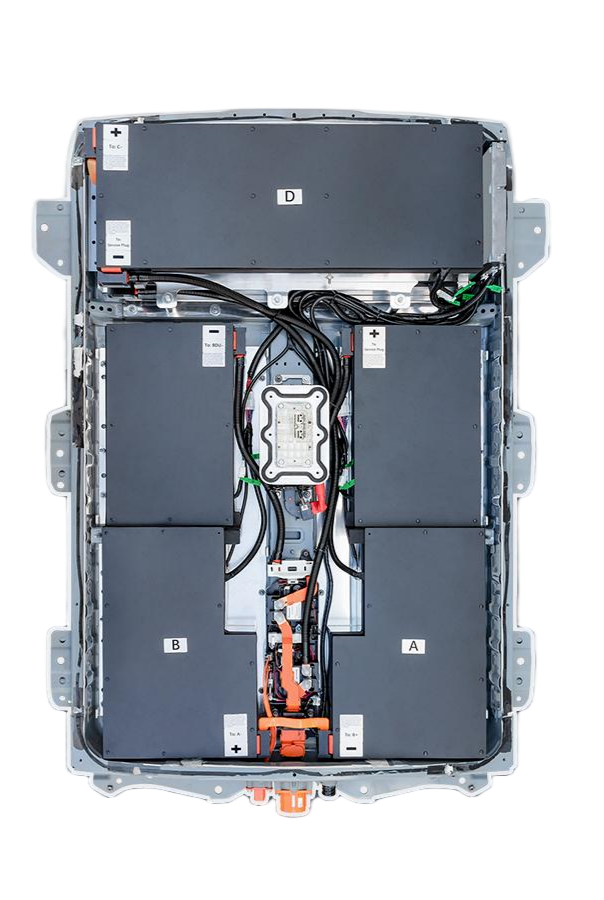
Here is the SEO-optimized article tailored for the target keyword and audience.
Ultimate Tips for BMW i3 Battery Price Success
Is your BMW i3 battery failing, and the dealership quote is a financial shock? You are not alone. Many owners face a crossroads when their battery degrades: pay the steep Original Equipment Manufacturer (OEM) price or find a reliable alternative. The good news is that achieving “battery price success” is possible without sacrificing safety or range. This guide cuts through the noise to provide you with the ultimate tips for securing a high-performance BMW i3 battery at a fraction of the cost.
Why the Standard Dealership Price is a Barrier
The average cost to replace a BMW i3 battery at a dealership often exceeds $16,000 to $20,000. This exorbitant price tag includes brand premiums, logistics, and labor markups that many private owners or fleet managers simply cannot justify for a vehicle that may only be worth $8,000 to $12,000 on the market.
For most drivers, this creates a lose-lose situation:
- The Expensive Route: Pay thousands to the dealer, often resulting in negative equity.
- The Risky Route: Buy a cheap, used, or refurbished pack online, risking fire hazards, rapid degradation, or “bricking” your car.
The Smart Alternative: OEM-Compatible New Cells
The secret to BMW i3 battery price success lies in the middle ground: brand-new, OEM-standard battery packs built with Tier-1 supplier cells (like CATL) but distributed directly by specialized manufacturers.
Unlike recycled or refurbished batteries—which are essentially gambling with old hardware—these packs utilize brand-new Lithium Iron Phosphate (LFP) or NMC cells. This approach allows manufacturers to cut the dealership markup while maintaining, or even exceeding, the safety and longevity standards of the original factory.
Key Takeaway: Do not buy based on price alone. Buy based on the cell quality. A $3,000 used battery that fails in 6 months costs more than a $6,000 new battery that lasts 8 years.
4 Tips to Guarantee Your Price Success
To ensure you get the best value and avoid common pitfalls, follow these four essential tips:
1. Verify the Cell Manufacturer (It’s Critical)
Never purchase a battery without knowing the cell brand. The heart of your EV is the cell chemistry.
- Red Flag: Sellers who say “Grade A” or “Original Standard” without naming a specific manufacturer (like CATL, LG, or Panasonic).
- Green Light: Packs explicitly stating they use brand-new CATL cells. CATL is the world’s largest battery manufacturer and a primary supplier to BMW. Using their new cells guarantees compatibility and thermal stability.
2. Demand a “Plug-and-Play” Design
Avoid “Module Only” purchases unless you are a certified technician with a dry room.
- Look for: A fully sealed, welded battery pack.
- Why: A complete pack comes with the Battery Management System (BMS) already programmed and welded. This ensures you don’t have to manually wire high-voltage cables—a dangerous task that can void warranties if done incorrectly. A true plug-and-play unit saves you $1,000+ in labor and eliminates installation errors.
3. Understand the True “Lifetime” of the Warranty
Many cheap batteries offer a “1-year warranty,” which is essentially useless for a car part.
- Standard: Most generic aftermarket packs offer 1 year.
- Success Metric: Look for a 24-month / 80,000 km warranty. This “unbeatable” coverage proves the manufacturer stands behind the longevity of their new cells, not just a temporary fix.
4. Use the VIN Compatibility Check
The BMW i3 has multiple trims (120Ah, 160Ah, 60Ah) and model years (2014-2024).
- Action: Before paying a deposit, use the seller’s VIN compatibility assessment tool. This ensures the voltage, connectors, and cooling systems match your specific vehicle. A mismatch here can add weeks to delivery and hundreds in modification costs.
The Cost-Benefit Analysis: New vs. Used vs. OEM
To visualize your savings, let’s compare the options available in 2026:
| Feature | Dealership OEM | Refurbished/Used Market | OEM-Compatible New (Recommended) |
|---|---|---|---|
| Cell Quality | Brand New (CATL/LG) | Old, Degraded, Unknown | Brand New (CATL) |
| Price Range | $16,000 – $20,000 | $3,000 – $5,000 | $6,000 – $8,500 |
| Warranty | 8 Years (Limited) | 3-6 Months | 2 Years / 80,000km |
| Risk Level | Low | High (Swelling/Failure) | Low |
| Installation | Professional Only | DIY (Risky) | Plug-and-Play |
Note: Prices are estimates based on 2026 market data for a 42kWh/120Ah pack.
How to Get Started Today
Achieving price success doesn’t mean you have to scour eBay or Facebook groups. Reputable manufacturers like CNS BATTERY specialize in these exact solutions, offering BMW i3 battery wholesale and direct-to-consumer pricing.
The process is simple:
- Identify: Know your i3 model year and trim.
- Verify: Confirm the pack uses new CATL cells and has a 2-year warranty.
- Order: Lock in the price with DDP (Delivered Duty Paid) shipping.
By following these tips, you are not just saving money; you are extending the life of a brilliant electric vehicle with a safe, factory-spec powertrain.
Frequently Asked Questions (FAQ)
Q1: Can I really install a BMW i3 battery myself?
Yes, if you purchase a Plug-and-Play pack. These units come pre-assembled and programmed. While we recommend a certified technician for high-voltage work, many DIY owners report successful installations in 2-3 hours using the provided video guides. The key is ensuring the BMS is pre-programmed so you don’t need special tools to “marry” the battery to your car.
Q2: Are these aftermarket batteries safe for the environment?
Absolutely. Using brand-new, high-efficiency cells is often more sustainable than recycling old, degraded packs. Furthermore, reputable manufacturers adhere to strict environmental standards in their production processes, ensuring the materials are ethically sourced and the packaging is recyclable.
Q3: What if my specific BMW i3 model isn’t listed?
Manufacturers often support OEM customization. If you drive a rare variant like the BMW i3 REx (Range Extender) or a specific European/Asian market model, contact the technical team directly. They can usually confirm compatibility within 24 hours using your VIN number.
Q4: How long does shipping take internationally?
For international customers, shipping typically takes 4-8 weeks via sea freight (DDP service). This includes handling all customs and duties, so there are no surprise fees upon delivery. Air freight options are available for urgent needs but are significantly more expensive due to lithium battery shipping regulations.
Ready to revive your BMW i3 without breaking the bank?
Stop overpaying for old technology. Get a free quote today for a brand-new, CATL-cell powered BMW i3 battery solution.