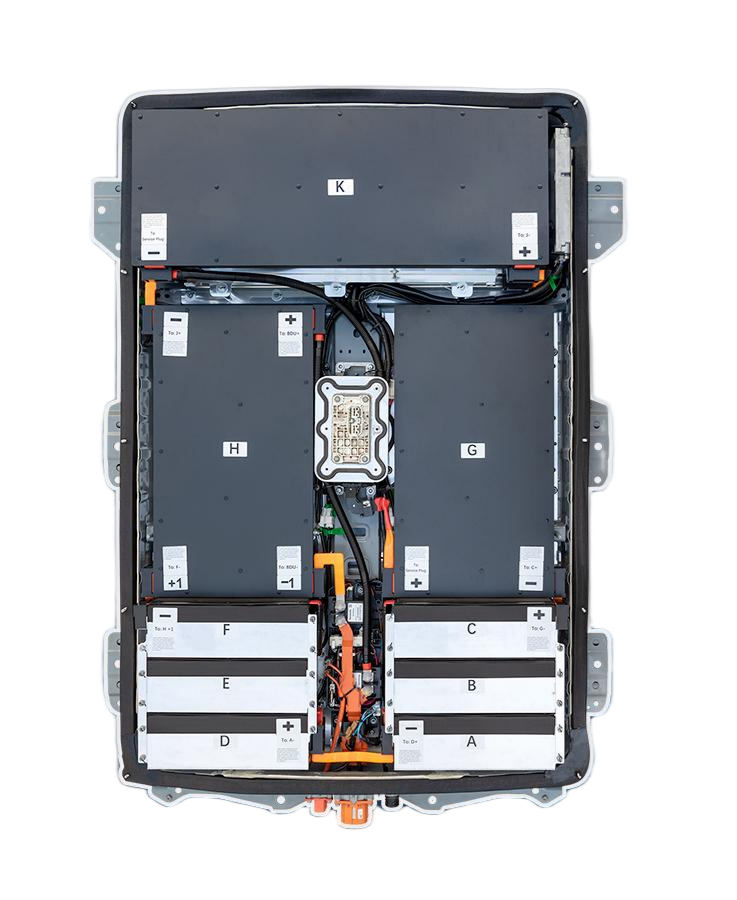
Ultimate Tips for BMW i3 Battery Cost Success
If you are a proud owner of a BMW i3, you know that the electric driving experience is exhilarating. However, like all batteries, the heart of your vehicle has a finite lifespan. When the dreaded “Battery Degradation” warning pops up, or your range drops below a usable level, the immediate concern for most owners isn’t just the performance—it is the BMW i3 battery cost.
Dealership quotes can be astronomical, often exceeding thousands of dollars for a factory replacement. But before you consider selling your car for scrap, there is a smarter, more cost-effective path to “battery success.” This guide will walk you through the ultimate tips for managing your BMW i3 battery replacement, focusing on maximizing value, safety, and longevity without breaking the bank.
The Sticker Shock: Why Dealership Costs Are So High
The first step in achieving BMW i3 battery cost success is understanding why the prices are so high. Dealerships charge a premium not just for the hardware, but for the proprietary software, labor, and brand overhead.
- OEM Markup: Original Equipment Manufacturer (OEM) batteries come with a hefty brand tax.
- Labor Intensity: Replacing a high-voltage battery requires certified technicians and specific safety protocols.
- Software Registration: The BMW i3 requires specific coding to register the new battery with the Vehicle Control Unit (VCU), which dealerships charge a premium for.
While OEM parts guarantee compatibility, they often cost 50% to 70% more than high-quality aftermarket alternatives. This is where the “Ultimate Tip” comes in: Explore reputable aftermarket solutions that meet OEM standards without the brand markup.
The 50% Savings Strategy: Aftermarket vs. Refurbished
When researching how to cut costs, you will inevitably see two options: Brand New Aftermarket and Refurbished/Used batteries.
Many owners, desperate to save money, opt for refurbished batteries. However, this is often a false economy. Refurbished packs are made from recycled cells that have already endured years of wear. They are prone to swelling, rapid degradation, and safety hazards.
The smarter strategy for long-term BMW i3 battery cost success is to invest in a Brand New Aftermarket Battery from a specialized manufacturer.
Why choose a new aftermarket battery?
- Zero Cycle Count: Brand new cells start with full health.
- Cost Efficiency: You save over 50% compared to the dealership.
- Modern Technology: Many aftermarket providers use the latest CATL or LFP (Lithium Iron Phosphate) cells, which are safer and last longer than the older chemistry found in early i3 models.
Key Features to Look for in a Cost-Success Battery
Not all aftermarket batteries are created equal. To ensure your investment pays off, you must look for specific features that guarantee reliability and safety. Here is what separates a “cheap” battery from a “cost-success” battery:
- Cell Quality is King: The core of the battery is the cell. Look for manufacturers that explicitly state they use brand-new CATL cells. CATL is a world-leading supplier, and their cells offer the same safety and energy density as OEM but at a fraction of the price.
- OEM-Level BMS (Battery Management System): A battery is only as good as its brain. A high-quality BMS ensures that every cell is balanced, preventing overcharging and thermal runaway. This is crucial for the BMW i3’s complex electronics.
- Plug-and-Play Compatibility: The best aftermarket batteries are designed to be “drop-in” replacements. They should match the physical dimensions, connector types, and voltage requirements of your specific i3 model (whether it is the 60Ah, 94Ah, or 120Ah variant).
- Comprehensive Warranty: A warranty is your safety net. Avoid batteries with no warranty or very short terms. Look for providers offering a minimum of 2 years or 80,000 km. This shows the manufacturer stands behind their product.
Real-World Success: A Case Study
Let us look at a real-world example of BMW i3 battery cost success.
The Scenario:
John owns a 2015 BMW i3 with a 60Ah battery. The range has dropped to 80 miles, and the dealership quotes $16,000 for a replacement (including labor and parts).
The Cost-Success Strategy:
John researches and finds a reputable aftermarket provider (like CNS BATTERY) offering a brand new 45kWh battery pack using CATL cells.
- Cost: $7,800 (Less than half the dealership price).
- Process: John uploads his VIN for a free compatibility check. He receives a plug-and-play battery with a detailed installation video.
- Installation: John hires a local mechanic (or follows the video guide) and installs the battery in 2 hours.
- Result: The battery registers perfectly with the car’s system. John’s range jumps back to 150 miles (EPA), and he enjoys a 2-year warranty.
John did not just save $8,000; he extended the life of his car by another 5-10 years.
Avoiding Common Pitfalls: Safety First
While saving money is the goal, safety should never be compromised. Here are the pitfalls to avoid when hunting for a low-cost BMW i3 battery:
- The “Too Good to Be True” Price: If a battery is priced 80% lower than the market rate, it is likely made from recycled or defective cells.
- Missing Certifications: Ensure the battery has passed safety tests (UN38.3, MSDS). Lithium batteries are dangerous goods, and proper certification is non-negotiable.
- Lack of Technical Support: Installing an EV battery can be tricky. Choose a supplier that offers video call guidance or 24-hour technical support. This ensures that if you get stuck during the “coding” or “registration” process, you have an expert to call.
Conclusion: Drive Smart, Save Big
Replacing the battery in your BMW i3 does not have to be a financial disaster. By shifting your focus from the dealership to high-quality, specialized aftermarket manufacturers, you unlock the secret to BMW i3 battery cost success.
Remember, the goal is not to find the cheapest battery, but the one that offers the best value. A brand new, OEM-standard battery using top-tier CATL cells, backed by a solid warranty, is the ultimate way to revive your electric vehicle.
Do not let a dead battery kill your driving joy. Take control of your costs and get back on the road with confidence.
Frequently Asked Questions (FAQ)
1. Is an aftermarket BMW i3 battery safe?
Yes, if you purchase from a reputable manufacturer. Look for batteries that use brand-new cells from top-tier suppliers like CATL and have passed rigorous safety certifications (UN38.3). Avoid unknown brands or batteries made from recycled cells.
2. Will a new aftermarket battery fit my BMW i3 perfectly?
Absolutely. Reputable manufacturers design their packs to OEM specifications. This means the dimensions, connectors, and voltage output are identical to the original, allowing for a “plug-and-play” installation without modifications.
3. How long does the installation take?
For a professional mechanic, installation typically takes 1-2 hours. The process involves disconnecting the old battery, removing the mounting brackets, installing the new pack, and reconnecting the cables. Most suppliers provide detailed video tutorials to assist with this process.
4. Do I need special tools to program the new battery?
While the physical installation is straightforward, the software registration (coding) often requires specialized diagnostic tools. However, many suppliers offer technical support or video call guidance to help you or your mechanic complete the registration process successfully.
5. What kind of warranty should I expect?
A standard warranty for a high-quality new aftermarket BMW i3 battery is 2 years or 80,000 km. This covers defects in materials and workmanship and often includes prorated coverage for performance degradation, ensuring the battery maintains at least 70% capacity over the warranty period.
Ready to save on your BMW i3 battery replacement? Get a Free Custom Quote Now.