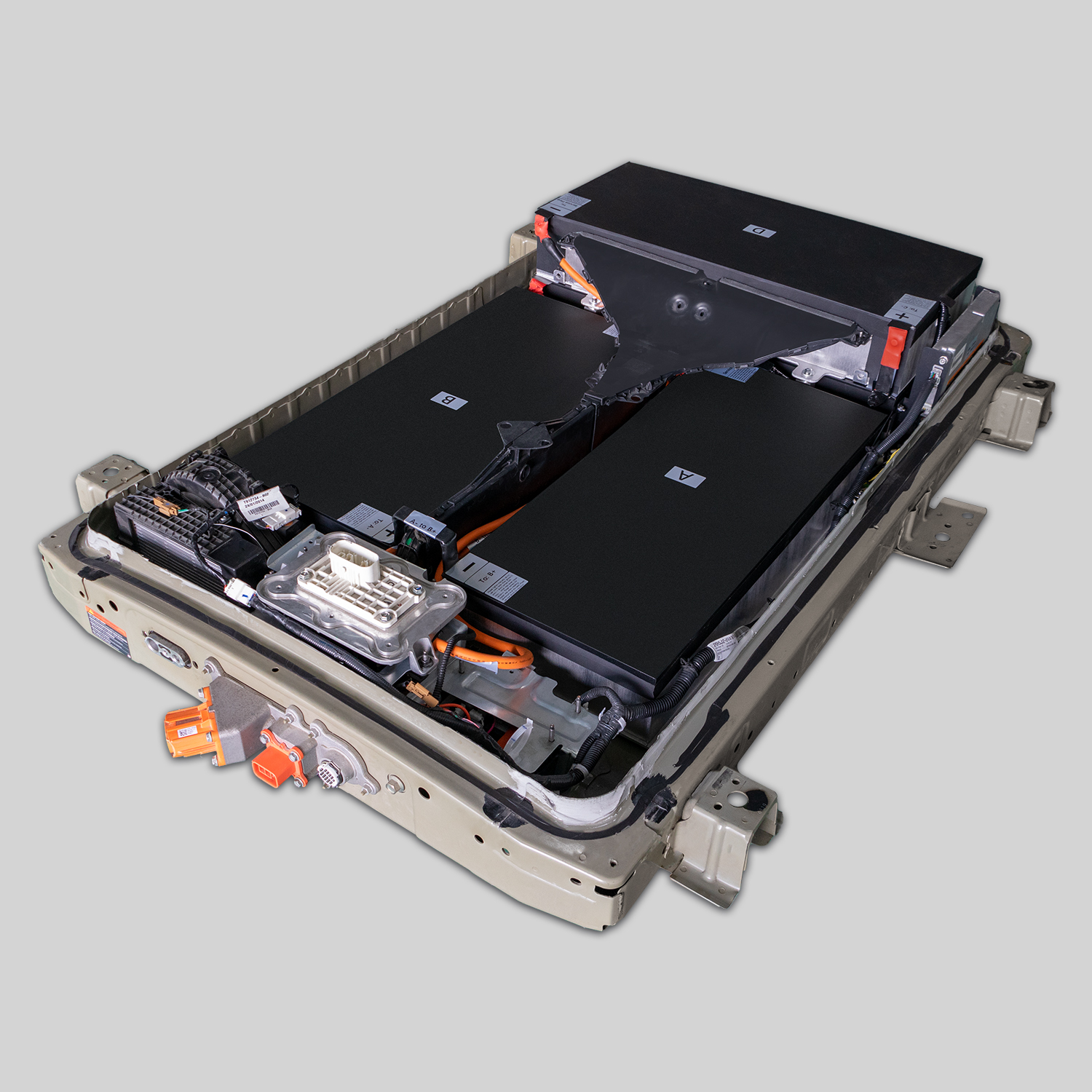
The Ultimate Nissan Leaf Plus LFP Battery Solution for Repair Shops
For automotive repair shops, the Nissan Leaf represents a massive opportunity in the EV aftermarket. As the world’s best-selling electric car for years, the sheer volume of Leaf vehicles on the road guarantees a steady stream of customers facing the inevitable: battery degradation.
However, the challenge for repair shops has always been balancing cost, quality, and reliability. Original Equipment Manufacturer (OEM) replacements are often prohibitively expensive for customers, while low-cost aftermarket options carry the risk of high failure rates and warranty nightmares.
This is where the Nissan Leaf Plus LFP Battery changes the game. Specifically engineered for repair shops, this solution combines the longevity of Lithium Iron Phosphate (LFP) chemistry with OEM-level precision, offering a compelling value proposition that drives customer satisfaction and shop profitability.
Why Repair Shops Need a “Plus” Solution
The “Leaf Plus” moniker isn’t just marketing; it signifies a superior upgrade path. Traditional Nissan Leaf batteries use Nickel Manganese Cobalt (NMC) chemistry. While energy-dense, NMC batteries degrade faster, especially in hot climates or with frequent DC fast charging.
In contrast, the Leaf Plus LFP Battery offers distinct advantages for the repair shop environment:
- Extended Cycle Life: LFP chemistry typically offers 3,000 to 5,000 charge cycles, significantly more than standard NMC packs. This translates to fewer comebacks and lower long-term liability for your shop.
- Enhanced Thermal Stability: LFP batteries are inherently safer, with a much lower risk of thermal runaway. This “cool running” characteristic reduces stress on the Battery Management System (BMS), a common failure point in older Leafs.
- Cost Efficiency: By offering a “Plus” upgrade, shops can position themselves as solution providers rather than just parts changers, often commanding a higher service fee while still undercutting OEM prices.
OEM Compatibility: The Key to Zero Hassle Installation
One of the biggest fears repair shops have when switching to aftermarket batteries is compatibility. Will the Body Control Module (BCM) recognize it? Will the charging port align? Will the customer lose their radio presets?
The Ultimate Nissan Leaf Plus LFP Battery is designed with OEM Compatibility as the core principle. Unlike generic “drop-in” replacements that require hacking or reprogramming, this battery is a direct fitment solution.
- Plug-and-Play Design: Every connector, from the high-voltage DC cables to the low-voltage CAN bus signals, matches the original factory specifications. There is no need to cut wires or splice harnesses.
- Seamless BMS Integration: The Battery Management System is pre-programmed to communicate flawlessly with the Nissan Leaf’s existing vehicle systems. This ensures that features like regenerative braking, state of charge (SOC) accuracy, and dashboard warnings function exactly as they did with the factory battery.
- Physical Precision: The chassis mounting points are laser-scanned to match the original dimensions. This guarantees that the battery sits flush in the chassis, maintaining the vehicle’s center of gravity and handling characteristics.
Driving Profitability for Your Shop
Adopting the Leaf Plus LFP Battery isn’t just about fixing cars; it’s a strategic business decision for repair shops.
1. Competitive Pricing with High Margins
Repair shops can offer this solution at a price point that is typically 50%+ lower than OEM replacements. This aggressive pricing attracts customers who might otherwise have scrapped their vehicle. Simultaneously, the wholesale pricing structure of these high-quality aftermarket packs allows shops to maintain healthy profit margins on both parts and labor.
2. Streamlined Logistics and Support
Time is money in a repair shop. Sourcing a battery should not involve weeks of back-and-forth emails. The Ultimate Leaf Plus LFP solution comes with dedicated technical support. If a technician encounters a programming hiccup or a physical fitment question, having access to real-time engineering support (often via video call) ensures the job gets done right the first time.
3. Building Customer Trust
By offering a “Plus” upgrade—essentially giving the customer a “newer, better” battery than the one that failed—you transform a negative experience (a dead car) into a positive one (a car with restored range and a fresh 8-year/100,000-mile warranty). This builds immense trust and loyalty, turning a one-time repair customer into a lifelong client for all their automotive needs.
Technical Specifications and Performance
To ensure repair shops can confidently sell this solution to their customers, the technical specifications must be bulletproof.
| Feature | Specification | Benefit for Shop |
|---|---|---|
| Chemistry | Prismatic LFP (LiFePO4) | Superior safety and lifespan compared to NMC. |
| Warranty | 2 Years / 80,000 km | One of the longest in the aftermarket industry, reducing risk. |
| Capacity Options | 40kWh, 50kWh, 62kWh, 68kWh | Flexibility to match customer budget and range needs. |
| Cell Source | CATL (New Cells) | Uses cells from the world’s largest battery factory, ensuring quality. |
| Installation | Plug-and-Play | No specialized coding tools required; reduces labor time. |
The Installation Process: Simpler Than You Think
Many shops hesitate to take on EV battery swaps, fearing complex high-voltage procedures. However, the Nissan Leaf Plus LFP Battery installation is designed to be accessible.
- Pre-Installation Check: Before the car arrives, verify the Vehicle Identification Number (VIN) with the supplier to ensure the specific pack variant (ZE0, AZE0, or ZE1) is correct.
- Drain and Disconnect: The standard procedure involves draining the thermal coolant and disconnecting the high-voltage and low-voltage connectors.
- Chassis Removal: The Leaf’s battery is mounted to the chassis, so the vehicle is lifted, and the battery is unbolted from underneath.
- New Unit Installation: The new Leaf Plus LFP Battery is lifted into place. Because of the OEM-precise mounting points, it bolts in directly.
- System Reset: After reconnecting the cables and refilling the coolant, a simple system reset or BMS handshake is performed. Thanks to the compatible BMS design, this process is usually straightforward.
Conclusion: The Future of EV Repair
The automotive repair landscape is shifting towards electrification. Repair shops that adapt by offering high-value solutions like the Nissan Leaf Plus LFP Battery will thrive in this new era.
This product is not just a replacement; it is an upgrade. It allows shops to offer customers a “like-new” driving experience at a fraction of the cost of a new car. With the backing of new CATL cells, a comprehensive warranty, and true OEM compatibility, repair shops can eliminate the fear of aftermarket EV parts and focus on what they do best: fixing cars and making customers happy.
Frequently Asked Questions (FAQ)
1. Will this battery work with my specific Nissan Leaf model year?
Yes, but it is crucial to verify the platform. The Nissan Leaf Plus LFP Battery is available for the ZE0, AZE0, and ZE1 platforms. Before ordering, you should provide your VIN to the technical team to ensure the correct harness and BMS configuration for your specific year and model.
2. Do I need special tools to install this battery?
No, specialized high-voltage coding tools are generally not required. The installation is Plug-and-Play. You will need standard automotive lifting equipment, wrenches, and coolant draining/filling tools, similar to what you would use for an OEM replacement.
3. What is the warranty coverage?
The standard warranty for the Ultimate Nissan Leaf Plus LFP Battery is 2 Years or 80,000 kilometers (whichever comes first). This covers defects in materials and workmanship. Some suppliers also offer pro-rated coverage for capacity retention, ensuring the battery maintains at least 70% of its original capacity over the warranty period.
4. How does the range compare to the original battery?
Because this is a “Plus” solution utilizing efficient LFP chemistry and high-quality CATL cells, the range is typically equal to or slightly better than the original factory specifications when the car was new. Customers can expect a full charge range restoration, effectively reviving the vehicle’s performance.
Ready to offer your customers the ultimate upgrade? Contact our technical experts now for customization and wholesale pricing.
Contact Us Now