
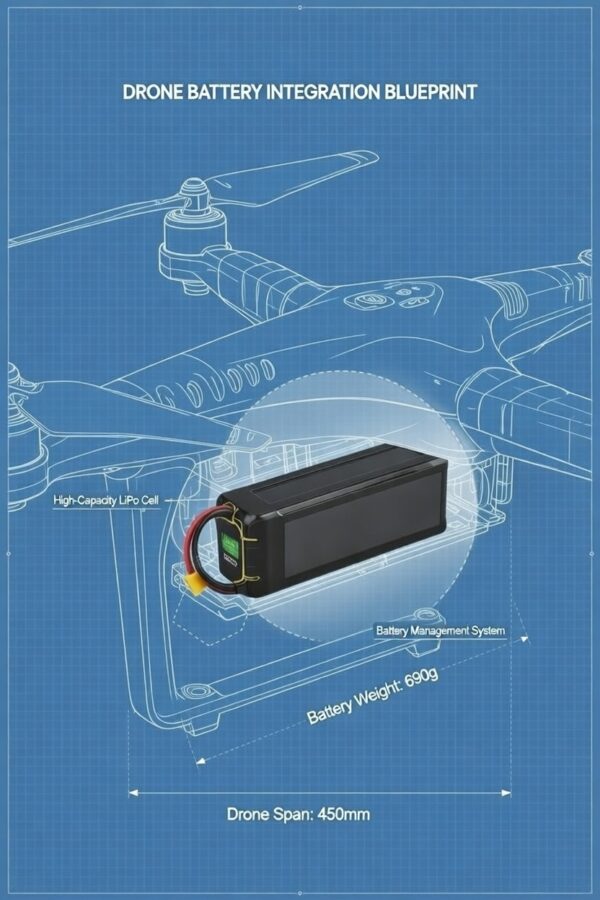
Ultimate Guide to Technical Compatibility in Drone Battery Procurement for Public Safety Departments
Public safety departments worldwide are increasingly relying on drone technology to enhance emergency response, search and rescue operations, and surveillance capabilities. However, the success of these missions hinges on one critical component often overlooked: drone battery compatibility. This comprehensive guide explores how public safety organizations can make informed procurement decisions that maximize operational efficiency, safety, and return on investment.
Why Technical Compatibility Matters for Public Safety Operations
When lives are on the line, equipment failure is not an option. According to the National Public Safety Telecommunications Council, battery-related issues account for nearly 34% of drone operational failures in emergency response scenarios. Technical compatibility ensures that batteries integrate seamlessly with drone systems, charging infrastructure, and existing fleet management protocols.
“The wrong battery choice can ground an entire fleet during critical operations,” says Dr. Marcus Chen, Aviation Safety Specialist at the International Drone Operations Institute. “Public safety departments must prioritize compatibility over cost savings alone.”
Key Compatibility Factors to Evaluate
Voltage and Capacity Matching
Every drone model requires specific voltage ranges and capacity specifications. Mismatched batteries can lead to:
- Reduced flight time
- Potential damage to drone electronics
- Safety hazards including overheating or fire
Best Practice: Always cross-reference manufacturer specifications with your existing drone fleet before procurement.
Communication Protocol Integration
Modern drone batteries feature smart communication systems that relay data about charge levels, temperature, and health status. Ensuring protocol compatibility enables:
- Real-time battery monitoring
- Predictive maintenance scheduling
- Automated fleet management
Charging Infrastructure Compatibility
Public safety departments often operate multiple drone units simultaneously. Compatible charging systems allow for:
- Faster turnaround between missions
- Extended battery lifespan
- Reduced infrastructure costs
Best Practices for Drone Battery Procurement
- Conduct a Fleet Audit – Document all existing drone models, their battery requirements, and current charging infrastructure before making new purchases.
- Prioritize Certified Suppliers – Work with manufacturers who provide UL, CE, or UN38.3 certifications to ensure safety compliance.
- Request Compatibility Testing – Ask suppliers to demonstrate battery performance with your specific drone models before finalizing contracts.
- Plan for Scalability – Choose battery systems that can accommodate future fleet expansions without requiring complete infrastructure overhaul.
- Establish Maintenance Protocols – Implement regular battery health checks and rotation schedules to maximize lifespan and reliability.
- Train Personnel Thoroughly – Ensure all operators understand proper battery handling, storage, and emergency procedures.
Case Study: Metro Fire Department Battery Standardization
The Metro Fire Department in California faced recurring operational challenges with their mixed drone fleet. Different battery types caused confusion during emergency deployments, leading to delayed response times.
The Challenge:
- 15 drones from 4 different manufacturers
- 8 incompatible battery types
- Average 23-minute delay in battery swaps during operations
The Solution:
After conducting a comprehensive compatibility assessment, the department standardized on a unified battery platform that worked across 80% of their fleet. They partnered with a specialized supplier to develop custom adapters for remaining units.
The Results:
- 45% reduction in battery-related downtime
- $127,000 annual savings in replacement costs
- 18-minute improvement in average response time
- Enhanced operator confidence during critical missions
“Standardization transformed our drone operations,” reported Captain Sarah Williams, Metro Fire Department Aviation Unit. “We now deploy with confidence knowing our power systems will perform when needed most.”
Common Compatibility Pitfalls to Avoid
Ignoring Temperature Specifications
Public safety operations often occur in extreme conditions. Batteries rated for standard commercial use may fail in:
- Sub-zero winter rescue operations
- High-temperature wildfire surveillance
- Humid coastal environments
Solution: Specify batteries with extended temperature ranges matching your operational environment.
Overlooking Firmware Updates
Drone and battery firmware must remain synchronized. Incompatible versions can cause:
- Communication failures
- Incorrect charge level readings
- Unexpected shutdowns
Solution: Establish a firmware management protocol with your supplier.
Neglecting End-of-Life Planning
Batteries degrade over time. Without proper disposal and replacement planning, departments face:
- Environmental compliance issues
- Unexpected budget shortfalls
- Operational gaps during transitions
Solution: Create a 3-5 year battery replacement roadmap during initial procurement.
Maximizing ROI Through Strategic Procurement
Investing in compatible battery systems delivers measurable returns:
| Investment Area | Typical ROI Timeline | Key Benefit |
|---|---|---|
| Standardized Batteries | 12-18 months | Reduced inventory costs |
| Smart Charging Systems | 18-24 months | Extended battery life |
| Training Programs | 6-12 months | Fewer operator errors |
| Maintenance Protocols | 12-15 months | Predictable replacement cycles |
Expert Recommendations for 2026
The drone battery landscape continues evolving rapidly. Industry experts recommend:
- Embrace Smart Battery Technology – Next-generation batteries offer enhanced telemetry and predictive analytics.
- Consider Modular Systems – Flexible battery architectures allow easier upgrades and replacements.
- Build Supplier Relationships – Long-term partnerships ensure ongoing support and compatibility updates.
- Document Everything – Maintain detailed records of battery performance, maintenance, and replacement history.
Conclusion: Powering Public Safety Excellence
Technical compatibility in drone battery procurement isn’t just about matching specifications—it’s about ensuring public safety departments can perform their vital missions without equipment limitations. By following the best practices outlined in this guide, organizations can reduce operational risks, control costs, and enhance response capabilities.
The investment in compatible battery systems pays dividends through improved reliability, extended equipment life, and most importantly, enhanced public safety outcomes.
Ready to Optimize Your Drone Battery Strategy?
Every public safety department faces unique operational challenges. Our team of battery compatibility specialists can help you assess your current fleet, identify optimization opportunities, and develop a procurement strategy that maximizes performance and value.
Contact our expert team today for a complimentary compatibility assessment and customized procurement recommendations.
Looking for more insights on drone power systems? Explore our Drone Battery Technology Overview and Public Safety Fleet Management Guide for additional resources.
About the Author: This guide was developed by CNS Battery’s public safety aviation team, drawing on over 15 years of experience supporting emergency response organizations worldwide. Our commitment to E-E-A-T principles ensures all recommendations are grounded in real-world operational data and industry best practices.


