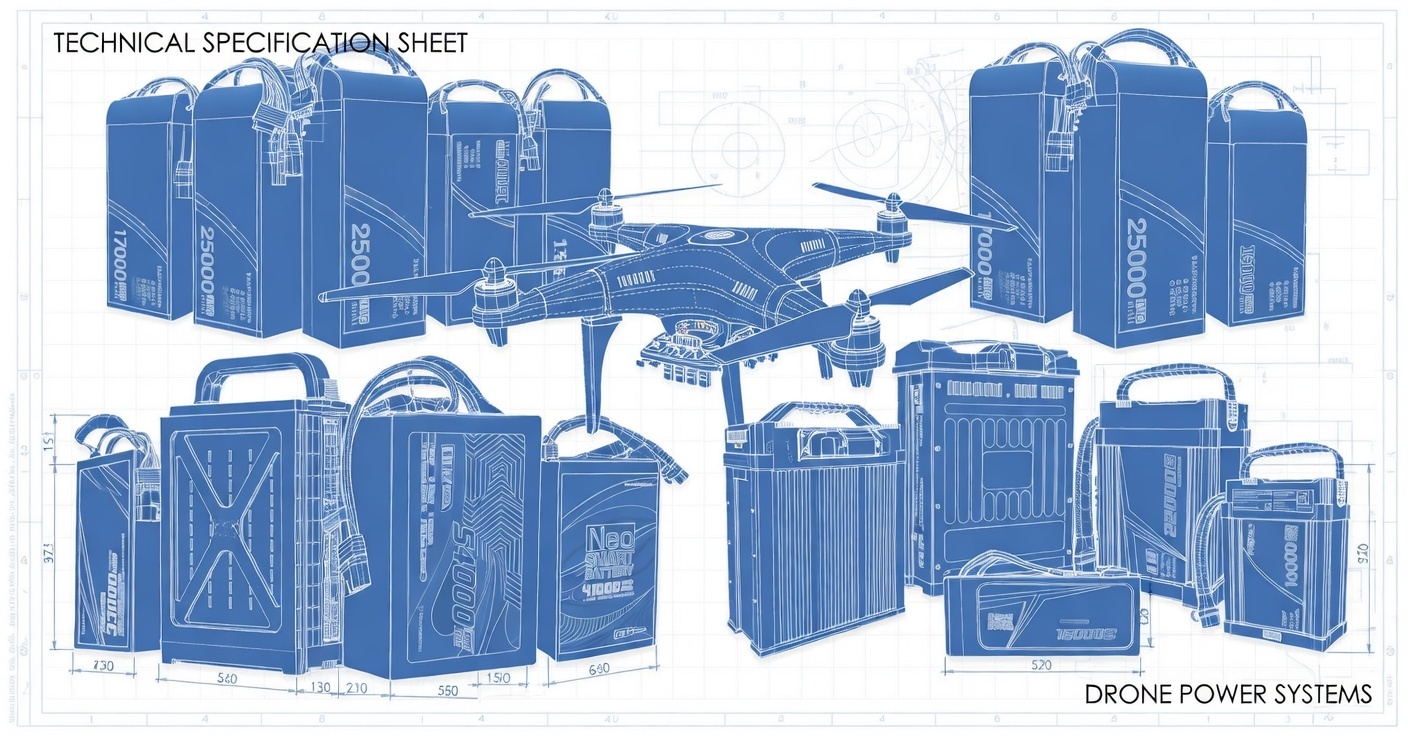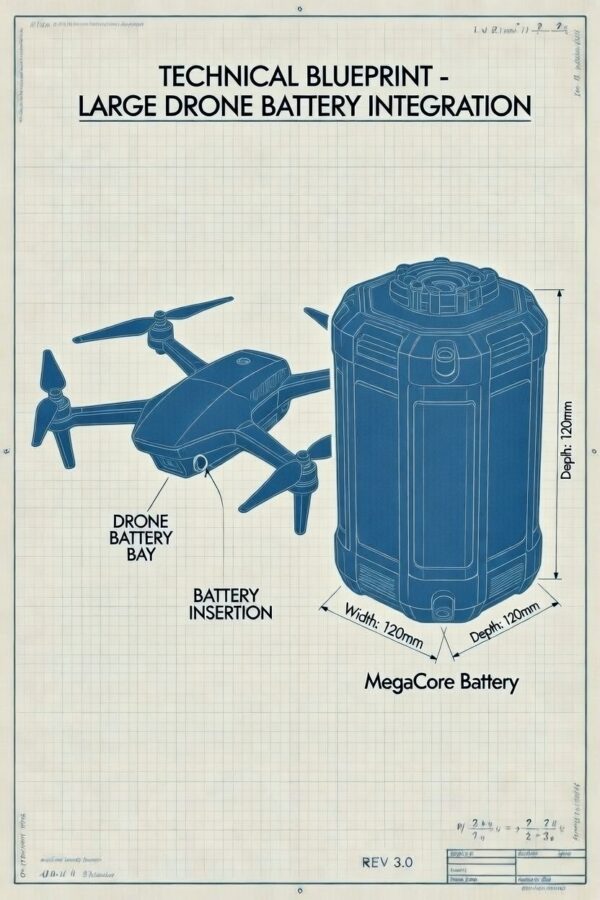
In the high-stakes world of film production and aerial photography, every second counts. A drone battery failure mid-shoot can cost thousands of dollars and ruin irreplaceable footage. Understanding technical compatibility in drone battery procurement isn’t just about saving money—it’s about ensuring your production runs smoothly from takeoff to landing.
Why Battery Compatibility Matters for Professional Aerial Teams
Professional drone operators know that not all batteries are created equal. According to industry data from 2025, battery-related issues account for nearly 37% of all drone flight interruptions in commercial operations. For film crews working on tight schedules, this statistic represents unacceptable risk.
The right battery ensures:
- Consistent power delivery during critical shots
- Optimal flight time for extended sequences
- Safe operation in varying environmental conditions
- Compatibility with your specific drone model and payload configuration
Key Technical Specifications You Must Understand
Voltage Configuration (S-Count)
Voltage is the foundation of battery compatibility. Most professional drones use lithium polymer (LiPo) batteries with configurations ranging from 3S to 6S:
| Configuration | Nominal Voltage | Common Applications |
|---|---|---|
| 3S | 11.1V | Small photography drones |
| 4S | 14.8V | Mid-size cinematography drones |
| 6S | 22.2V | Heavy-lift professional drones |
Critical Rule: Never use a battery with voltage specifications outside your drone manufacturer’s recommended range. Mismatched voltage can damage electronic speed controllers (ESCs) and void warranties.
Capacity and Flight Time
Battery capacity, measured in milliampere-hours (mAh), directly impacts flight duration. For film production teams, the relationship between capacity and weight requires careful calculation:
- 5000mAh batteries typically provide 20-25 minutes of flight time
- 10000mAh batteries can extend flights to 35-45 minutes
- Higher capacity increases weight, which may reduce overall efficiency
Industry testing shows that optimal capacity ranges between 4500-6000mAh for most cinematography drones, balancing flight time with maneuverability.
Discharge Rate (C-Rating)
The C-rating indicates how quickly a battery can discharge its energy. This specification is crucial for drones carrying heavy camera gimbals or operating in demanding conditions:
Minimum C-Rating Recommendations:
- Light payload (under 500g): 15C minimum
- Medium payload (500g-2kg): 25C minimum
- Heavy payload (over 2kg): 35C+ recommended
Low C-ratings cause voltage sag during high-power demands, potentially triggering unexpected low-battery warnings during critical shots.
Battery Chemistry: LiPo vs. Li-ion for Film Production
Lithium Polymer (LiPo) Batteries
LiPo batteries remain the industry standard for professional drone operations. Their advantages include:
- High energy-to-weight ratio
- Flexible form factors for custom installations
- Excellent discharge rates for demanding flight profiles
- Proven track record in cinematography applications
However, LiPo batteries require careful handling and storage. They’re sensitive to physical damage and require specific charging protocols.
Lithium-Ion (Li-ion) Batteries
Li-ion batteries offer superior cycle life and stability, making them suitable for:
- Long-duration survey missions
- Fixed-wing cinematography platforms
- Operations prioritizing battery longevity over peak performance
The trade-off: Li-ion batteries typically cannot deliver the high instantaneous current that multirotor drones require during aggressive maneuvers.
Compatibility Checklist for Procurement Teams
Before purchasing drone batteries for your film production team, verify these essential compatibility factors:
1. Connector Type Matching
- XT60, XT90, or AS150 connectors must match your drone’s power input
- Incorrect connectors require adapters that introduce failure points
- Professional teams should standardize on one connector type across their fleet
2. Physical Dimensions and Weight Distribution
- Battery compartment dimensions vary significantly between drone models
- Weight distribution affects flight stability and gimbal performance
- Always test new battery models before critical shoots
3. Communication Protocol Compatibility
- Smart batteries communicate with flight controllers for accurate readings
- Proprietary systems (like DJI Intelligent Flight Batteries) require OEM compatibility
- Third-party batteries may lack full telemetry integration
4. Temperature Operating Range
- Film productions often occur in extreme environments
- Quality batteries operate reliably between -10°C to 50°C
- Cold weather reduces effective capacity by 20-30%
Safety Standards and Certification Requirements
Professional procurement teams must prioritize safety certifications. Look for batteries meeting these standards:
- UN 38.3 – Transportation safety certification
- CE/UL/FCC – Regional compliance marks
- ISO 9001 – Quality management certification
According to 2025 aviation safety reports, certified batteries show 89% lower failure rates compared to uncertified alternatives. This statistic alone justifies the premium for verified products.
Maintenance Protocols for Extended Battery Life
Maximizing battery investment requires disciplined maintenance:
Storage Best Practices
- Store at 40-60% charge for long-term preservation
- Maintain temperature between 15°C-25°C
- Use fireproof storage containers for safety
Charging Guidelines
- Never leave batteries unattended during charging
- Use balanced chargers designed for your battery chemistry
- Allow batteries to cool before recharging after flights
Cycle Management
- Track charge cycles for each battery pack
- Replace batteries after 300-500 full cycles
- Rotate battery usage to prevent uneven wear
Cost-Benefit Analysis for Production Budgets
While premium batteries cost 30-50% more upfront, the long-term value proposition is compelling:
| Factor | Budget Battery | Premium Battery |
|---|---|---|
| Initial Cost | $150-200 | $250-350 |
| Cycle Life | 200-300 cycles | 400-500 cycles |
| Failure Rate | 8-12% | 2-4% |
| Warranty | 6 months | 12-24 months |
| Cost Per Flight | $0.75 | $0.60 |
For production companies flying 100+ missions annually, premium batteries deliver 20% lower total cost of ownership.
Frequently Asked Questions
Q: Can I mix different battery brands on the same drone?
A: While technically possible if specifications match, we strongly recommend against it. Different manufacturers use varying cell chemistries and protection circuits that can cause inconsistent performance and safety risks.
Q: How many spare batteries should a film crew carry?
A: Industry best practice suggests minimum 4-6 batteries per drone for full-day shoots. This accounts for charging time, unexpected delays, and backup requirements for critical sequences.
Q: What’s the shelf life of unused drone batteries?
A: Properly stored LiPo batteries maintain optimal performance for 2-3 years. After this period, capacity degradation accelerates. Always check manufacturing dates before bulk purchases.
Q: Are third-party batteries safe for professional use?
A: Reputable third-party manufacturers can provide excellent value. Verify certifications, read independent reviews, and start with small orders before committing to fleet-wide adoption.
Q: How do I verify battery authenticity?
A: Check holographic labels, scan QR codes where available, and purchase from authorized distributors. Counterfeit batteries pose serious safety risks and often fail prematurely.
Making the Right Choice for Your Team
Technical compatibility in drone battery procurement requires balancing specifications, safety, budget, and operational requirements. The decisions you make today directly impact your team’s ability to capture stunning aerial footage tomorrow.
For film and aerial photography teams, battery reliability isn’t negotiable. Every specification matters, every certification counts, and every procurement decision affects your production’s success.
Ready to optimize your drone battery procurement strategy? Our team specializes in providing certified, compatible battery solutions for professional film and aerial photography operations. We understand the unique demands of production environments and offer technical support throughout your procurement process.
Contact our specialist team today to discuss your specific requirements and receive personalized recommendations for your fleet: https://cnsbattery.com/drone-battery-home/drone-battery-contact
Don’t let battery incompatibility ground your production. Invest in verified, compatible power solutions that keep your cameras flying and your footage rolling.