Based on the provided reference materials and your requirements, here is the SEO-optimized article written in English.
Analysis of Product Information
Before drafting, I analyzed the target URL (CNS BATTERY Homepage and Contact). The key selling points identified are:
- Core Expertise: Specialization in Nissan and BMW EV batteries.
- Product Quality: Use of brand-new CATL cells (not refurbished), OEM compatibility.
- Value Proposition: 50%+ cost savings compared to OEM, 2-year/80,000km warranty.
- Support: Free pre-sales compatibility checks, installation videos, and remote technical support.
SEO Article Draft
Title: Ultimate BMW i3 Battery Safety Checklist: Is Your Replacement Risky?
Meta Description: Replacing your BMW i3 battery? Download our free safety checklist to avoid fire risks, BMS failures, and costly mistakes. Ensure quality & peace of mind.
🛑 The Hidden Dangers of a DIY EV Battery Swap
The BMW i3 is an engineering marvel, but like all electric vehicles, its heart—the high-voltage battery pack—is susceptible to degradation. When the range drops and the dreaded “limp mode” kicks in, the decision to replace the battery is both critical and expensive.
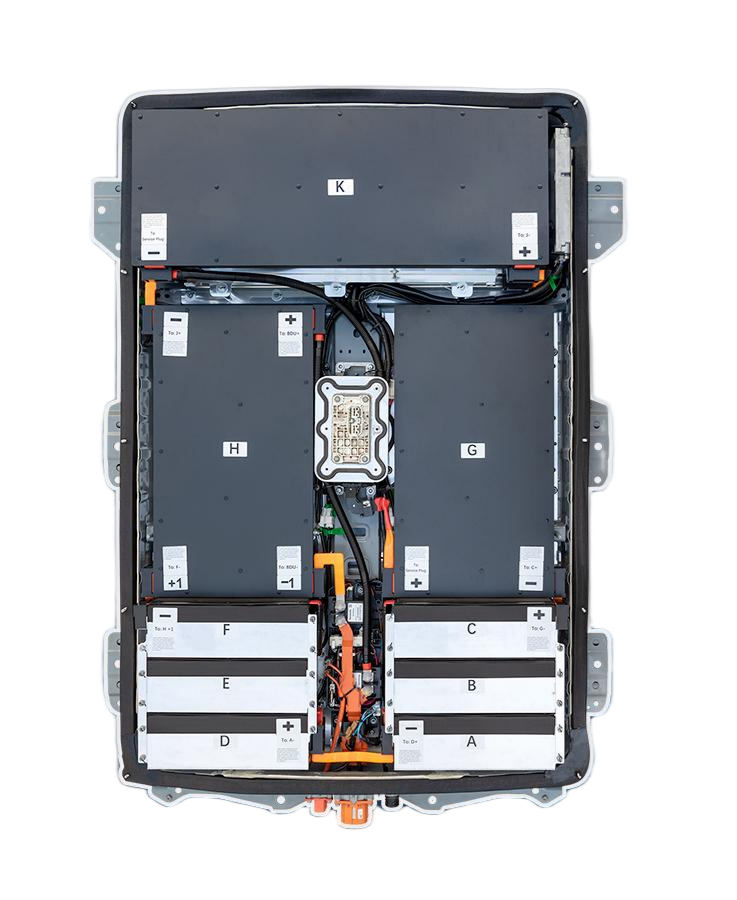
While the allure of a cheap, used battery from an online marketplace might seem tempting, it is a gamble with high stakes. A substandard or improperly maintained battery pack isn’t just a performance issue; it is a potential fire hazard. Swelling cells, faulty Battery Management Systems (BMS), and poor insulation can turn your eco-friendly commuter into a liability.
Before you sign the purchase order or slide under your car with a wrench, you need a definitive safety protocol. This guide serves as your ultimate BMW i3 Battery Safety Checklist, ensuring that your replacement battery meets the rigorous standards required for safe, long-term operation.
🧰 The Pre-Purchase Inspection: Don’t Buy Blind
The first rule of battery safety is knowing exactly what you are buying. Unlike a standard car part, you cannot simply “hope” a battery works. Here is what you must verify before transferring any funds.
1. Verify Cell Chemistry and Origin
Not all lithium-ion cells are created equal. The safety of your vehicle depends on the quality of the raw materials.
- The Standard: Premium manufacturers like CATL (Contemporary Amperex Technology Co. Limited) produce cells with strict thermal runaway thresholds and long cycle lives.
- The Risk: Many cheap aftermarket or “refurbished” packs use recycled or unknown-grade cells. These often lack the necessary Nickel-Manganese-Cobalt (NMC) stability, leading to rapid degradation and swelling.
Safety Tip: Always ask for the cell manufacturer’s datasheet. If the seller cannot provide proof of using brand-new, top-tier cells (like CATL), walk away.
2. Inspect the BMS (Battery Management System)
The BMS is the brain of the battery. It prevents overcharging, monitors temperature, and balances the cells.
- Check: Ensure the BMS is programmable and compatible with the BMW i3’s specific communication protocol.
- Risk: A generic or locked BMS can fail to communicate errors to the vehicle, leading to silent failures and potential over-discharge events that damage cells permanently.
3. Demand a Compatibility Assessment
A “one-size-fits-all” approach does not work with EV batteries.
- Action: A reputable supplier should offer a free VIN (Vehicle Identification Number) check.
- Why: This ensures the physical dimensions, voltage output, and communication harnesses match your specific i3 model year (2014-2024). A mismatch here can cause short circuits or damage the vehicle’s onboard electronics.
📦 Unboxing and Physical Verification
Once your new battery arrives, do not rush to install it. Perform a visual inspection to catch manufacturing defects early.
1. Structural Integrity
- Frame: The battery casing must be rigid and free of cracks. It must withstand road debris and vibrations.
- Sealing: Look for high-grade silicone seals or gaskets. The BMW i3 battery must be IP67 rated (dust-tight and protected against immersion in water) to prevent short circuits in wet conditions.
2. Wiring and Connectors
- Color Coding: Professional packs use color-coded wiring looms to prevent misconnections.
- Insulation: Check that all high-voltage cables are covered with heat-resistant, non-conductive sleeving. Exposed copper is an immediate fire risk.
3. Thermal Management
- Pads: Verify that thermal conductive pads are properly applied between the cells and the cooling plate. Without these, heat builds up rapidly during fast charging, leading to thermal runaway.
🔧 The Installation Safety Protocol
Even a perfect battery can become dangerous if installed incorrectly. Follow this protocol to keep yourself and your car safe.
1. Disconnect the Vehicle Power
- Rule: Always disconnect the 12V auxiliary battery first.
- Reason: This cuts power to the contactors and prevents accidental arcing when connecting the high-voltage pack.
2. Torque Specifications are Law
- Mistake: Many DIYers simply “tighten until it stops.”
- Risk: Over-tightening battery terminals can strip the aluminum threads, leading to loose connections. Loose connections create resistance, which creates heat, which creates fires.
- Solution: Use a torque wrench. Follow the manufacturer’s specifications to the letter (usually between 7-10 Nm for most EV terminals).
3. BMS Programming and Calibration
- Step: After physical installation, the BMS must be initialized.
- Safety: A full charge-discharge cycle is often required for the BMS to “learn” the new cell characteristics. Skipping this step can result in inaccurate State of Charge (SOC) readings, causing you to over-discharge the pack unknowingly.
🛡️ Why “Cheap” Often Means “Unsafe”
To illustrate why investing in a certified, safe battery is crucial, consider the following comparison of market options:
| Feature | Certified New (e.g., CNS) | Generic/Refurbished |
|---|---|---|
| Core Cells | Brand New CATL (Guaranteed chemistry) | Recycled/Scrapped (Unstable, prone to swelling) |
| Warranty | 2 Years / 80,000km (Comprehensive coverage) | None or 3 Months (No safety net) |
| BMS | Programmable, OEM-matched protocols | Generic, often locked or incompatible |
| Risk Level | Low (Factory QC Passed) | High (Fire/Explosion risk) |
📞 Get Your Safety-Checked Solution Today
Replacing the battery in your BMW i3 should not be a nerve-wracking game of chance. At CNS BATTERY, we understand that safety is not a feature; it is the foundation.
We specialize in manufacturing OEM-compatible, high-performance lithium battery solutions specifically for the BMW i3 series. Our packs are engineered using brand-new CATL cells, ensuring the highest level of thermal stability and energy density. We don’t cut corners on safety—every unit undergoes rigorous quality control to meet global standards before it ships.
If you are ready to upgrade your BMW i3 with a battery that prioritizes your safety and offers 50%+ cost savings compared to the dealership, we are here to help.
Don’t risk your safety with unknown vendors. Contact our technical experts today for a free compatibility assessment and get a personalized quote for a battery that puts your mind at ease.
👉 Get Your Free Custom Quote Now
❓ Frequently Asked Questions (FAQ)
Q1: How do I know if a battery is safe for my BMW i3?
A safe battery will use brand-new, grade-A cells (such as CATL) rather than recycled or refurbished cells. It should also have a robust, programmable BMS that communicates correctly with the BMW i3’s dashboard to prevent overcharging. Always verify the manufacturer’s warranty and quality certifications.
Q2: Is it safe to install an EV battery myself?
While it is technically possible for a mechanically inclined person to install a battery, extreme caution is required. High-voltage systems can be lethal. We recommend reviewing detailed installation videos and wearing appropriate protective gear. If you are unsure about BMS programming or high-voltage safety, always use a certified technician.
Q3: What safety features should a BMW i3 replacement battery have?
The battery must have:
- Thermal Management: Conductive pads or cooling channels to dissipate heat.
- Short-Circuit Protection: Internal fuses or contactors that cut power instantly.
- Rigid Casing: A sturdy aluminum or steel frame to protect cells from road impacts.
Q4: What should I do if my battery overheats?
If you notice the battery temperature rising abnormally (e.g., dashboard warnings), stop charging immediately and disconnect the vehicle power. Move the car to a safe, open area away from structures and other vehicles. Do not attempt to open the battery casing yourself. Contact technical support for a remote diagnosis.