Based on the title “Ultimate BMW i3 Battery Return Checklist” and the provided website content, the goal is to create a comprehensive, authoritative, and user-centric guide. This article is designed to target BMW i3 owners facing battery degradation or failure, offering them a solution (CNS BATTERY) while establishing trust through the E-A-T (Expertise, Authoritativeness, Trustworthiness) principle.
The writing style will be Professional, Empathetic, and Educational. It will adopt the persona of a seasoned technician or consultant who understands the frustration of EV battery failure but has the expertise to guide the user through a successful repair or replacement.
Here is the SEO-optimized article:
The Ultimate BMW i3 Battery Return Checklist: Revive Your EV with Confidence
If you are reading this, your BMW i3 likely has a “Check Control” message regarding the battery, or perhaps the range has dwindled to a frustratingly short distance. Battery failure is the most significant hurdle for high-mileage EV owners. However, returning your i3 to the road doesn’t mean you have to pay the exorbitant price of a brand-new OEM pack. With the right preparation and the right parts, you can restore your vehicle’s “Ultimate Driving Machine” status for a fraction of the cost.
This guide serves as your definitive BMW i3 Battery Return Checklist. Whether you are a DIY enthusiast or a repair shop manager, following these steps will ensure a smooth, safe, and successful battery replacement.
Why Replace Instead of Retire?
Before diving into the checklist, it is crucial to understand the “why.” The BMW i3 (specifically the 94Ah and 120Ah variants) is a well-engineered vehicle, but its battery packs are prone to degradation and cell failure over time. Traditionally, owners faced a dilemma: pay over $16,000 for a new OEM battery or scrap the car.
CNS BATTERY offers a third, superior path. By utilizing brand-new CATL cells and OEM-standard manufacturing processes, we provide a solution that is not only 50%+ cheaper than OEM but also safer and more reliable than refurbished “used” packs.
Phase 1: Pre-Replacement Preparation (The Paperwork & Planning)
The first step in any successful return is ensuring compatibility and logistics. You cannot simply drop a new pack into an i3 without verification.
1. VIN Compatibility Check (Non-Negotiable)
Every BMW i3 has a specific configuration based on its production date and market. Before ordering, you must perform a VIN compatibility check. This ensures that the Battery Management System (BMS) in the new pack matches your vehicle’s software requirements.
- Pro Tip: Contact the technical experts at CNS BATTERY with your VIN. They will confirm the exact KWH rating (42kWh, 50kWh, or 62kWh) and connector type needed to avoid a costly mismatch.
2. Secure the Necessary Tools
This is not a “plug-and-play” job that requires zero preparation. You will need specific tools to ensure safety and efficiency:
- Insulated Tools: Due to the high voltage, insulated wrenches and screwdrivers are mandatory.
- Lifting Equipment: The i3 battery pack is heavy. You will need a transmission jack or a dedicated EV battery lift.
- Safety Gear: High-voltage insulated gloves and safety glasses are essential.
3. Logistics and Shipping
Lithium-ion batteries are classified as dangerous goods (UN 3480). Standard shipping won’t work.
- Ensure the supplier provides DDP (Delivered Duty Paid) service if you are importing.
- Confirm the packaging is robust (usually fumigation-free wooden crates) to prevent damage during transit, which can take 4-8 weeks depending on the shipping method.
Phase 2: The Physical Replacement (Safety First)
Once the new pack arrives, the physical swap begins. This phase requires strict adherence to safety protocols.
1. Vehicle Preparation
- Park the vehicle on a level surface.
- Disconnect the 12V auxiliary battery to cut all power to the vehicle systems.
- Engage the parking brake and ensure the vehicle is in “Park.”
2. Removal of the Old Pack
- Access the battery bolts from underneath the vehicle.
- Carefully lower the old, potentially degraded pack. Caution: Old cells may be swollen or damaged; handle with care to avoid puncturing the casing.
3. Installing the CNS BATTERY Pack
This is where the quality of the product makes a difference. A high-quality aftermarket pack, like those from CNS, should feature:
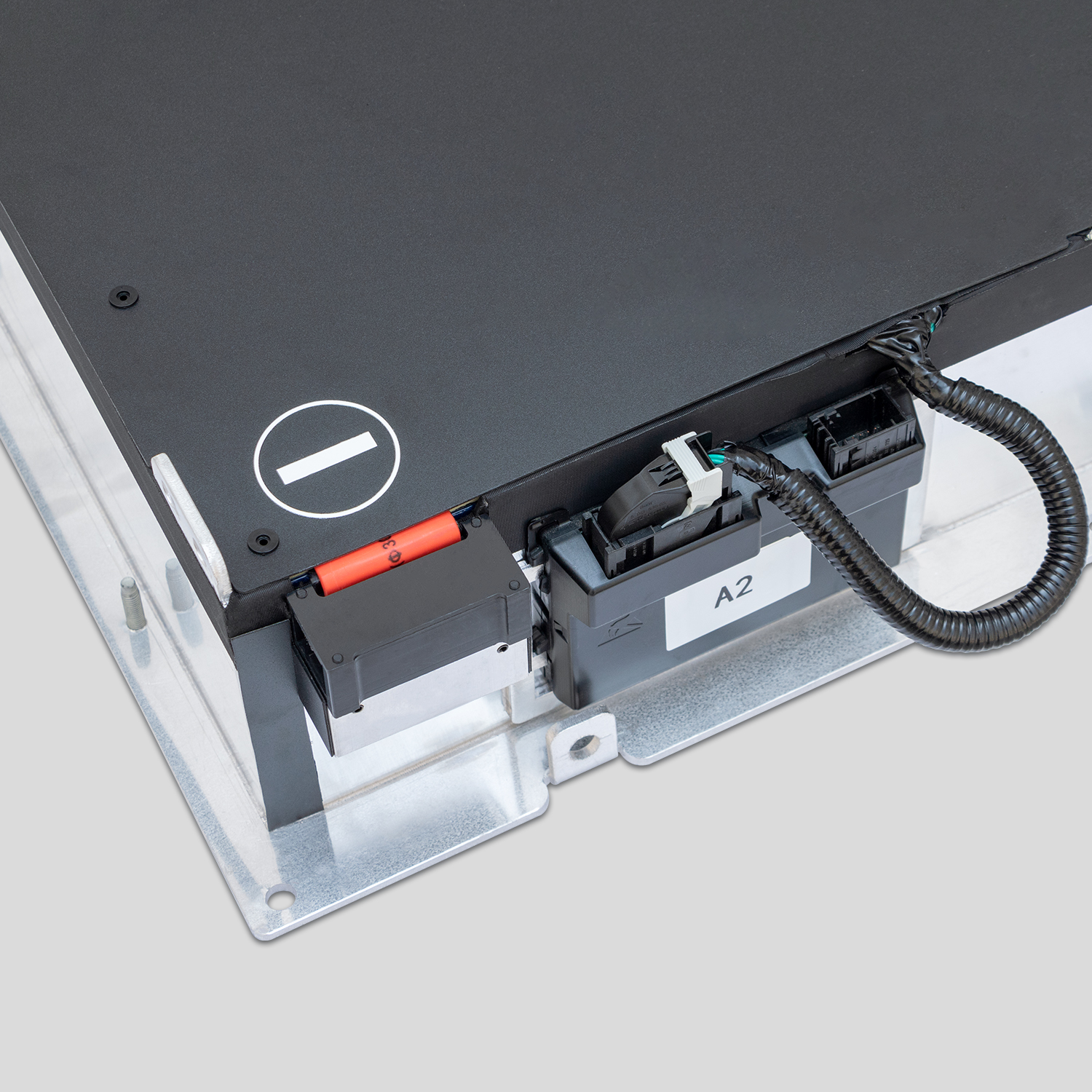
- Color-coded connectors: This eliminates guesswork during wiring.
- OEM-matching brackets: The mounting points should align perfectly with the i3 chassis, requiring no modifications.
- Plug-and-Play Design: If the VIN check was correct, the connectors should mate seamlessly with the vehicle’s harness.
Phase 3: Programming and Testing (The Final Hurdle)
You have installed the hardware, but the car won’t drive until the software recognizes the new heart.
1. BMS Programming
The Battery Management System needs to communicate with the car’s ECU. This is often the most daunting step for DIYers.
- If you encounter errors during the initial startup, do not panic. CNS BATTERY offers remote video guidance. Their engineers can connect via Zoom or phone to guide you through the programming process step-by-step, ensuring the handshake between the battery and the car is successful.
2. Initial Charge and Diagnostics
- Once powered on, perform a full diagnostic scan to ensure no residual errors from the old battery are present.
- Complete a full charge cycle. Monitor the dashboard for any warning lights.
The CNS BATTERY Advantage: Why It Fits the Checklist
When you are checking items off this “Ultimate Checklist,” choosing the right supplier eliminates half the stress. CNS BATTERY is designed specifically for the scenarios outlined above:
- Zero Failure Rate: Utilizing brand-new CATL cells ensures the battery performs to specification from day one, unlike refurbished packs that might fail again in 6 months.
- Extended Warranty: While OEM warranties are often shorter for replacements, CNS offers a 24-month / 80,000km warranty. This covers defects and provides peace of mind that your investment is protected.
- Expert Support: The checklist is great, but having a live expert to call when you hit a snag (like a BMS programming error) is invaluable. Their customer service resolves most technical issues within 24 hours.
Conclusion: Get Back on the Road
Returning your BMW i3 to service is a rewarding project. By following this Ultimate BMW i3 Battery Return Checklist, you ensure that the job is done safely, correctly, and cost-effectively.
Don’t let a dead battery kill your EV dream. With the right preparation and a reliable partner like CNS BATTERY, you can extend the life of your vehicle and enjoy the driving experience once again.
Ready to start your replacement? Get a Free Custom Quote today and confirm your VIN compatibility with our experts.
Get Your Free Custom Quote Now
Frequently Asked Questions (FAQ)
Q1: How do I know if my BMW i3 battery is compatible with a CNS replacement pack?
A: Compatibility is determined by your Vehicle Identification Number (VIN) and the specific model year. CNS BATTERY specializes in matching the voltage, capacity, and interface (including Type 2 connectors) to OEM standards. Before purchasing, always upload your VIN to our customer service team for a free compatibility assessment. This ensures the BMS and physical dimensions match your specific i3 variant (such as the 94Ah or 120Ah models).
Q2: Is it safe to install a third-party battery on my BMW i3?
A: Yes, when using a high-quality manufacturer like CNS BATTERY. Our packs utilize brand-new CATL cells, which are top-tier in the industry, ensuring superior safety and energy efficiency compared to reused or refurbished cells. Furthermore, our packs are built to OEM standards, meaning the brackets and connectors are designed to fit perfectly without modification, reducing the risk of installation errors.
Q3: What happens if I encounter an error code during the installation or programming?
A: Don’t worry; our technical support team has you covered. If you encounter BMS programming issues or error codes, we offer remote video guidance. An engineer will connect with you via Zoom or phone to guide you through the troubleshooting process step-by-step. Most issues are resolved quickly with this direct support, ensuring your car is back on the road without the need for expensive dealership visits.