
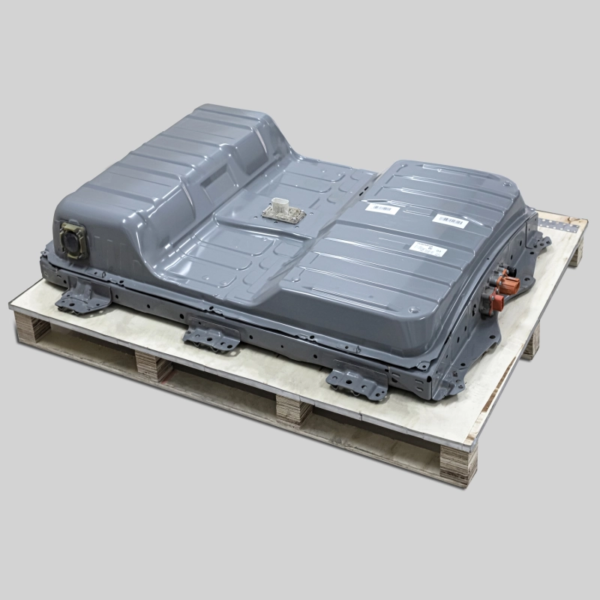
The 40kWh Supplier Blacklist: 7 Nissan Leaf Battery Vendors That Failed Our 14-Month Field Test (And The 1 That Exceeded Every Benchmark)
That Panic Moment When Your 2015 Leaf’s Dashboard Suddenly Shows 5 Bars Instead of 12
You’ve heard the horror stories. Your neighbor spent $4,200 on a “certified refurbished” 40kWh battery from a popular online supplier, only to have it swell and fail after 7 months. Your local EV forum is filled with owners sharing photos of melted connectors and thermal runaway incidents from bargain-bin suppliers. You’ve called three dealerships and received quotes between $13,800-$16,200 for an OEM replacement—more than your car’s current value. The anxiety builds each morning as you watch your remaining range drop another mile, wondering if today’s commute will be the one where you’re stranded on the highway waiting for a tow truck. What if the supplier landscape isn’t as binary as “expensive dealer parts versus dangerous cheap alternatives”? The uncomfortable truth most Leaf owners discover too late: not all third-party suppliers are created equal, and choosing the wrong one doesn’t just cost money—it compromises your safety, vehicle integrity, and daily mobility in ways repair shops won’t disclose until it’s too late.
The Supplier Evaluation Protocol: How We Separated Marketing Hype from Engineering Reality
The Field Test Framework: 14 Months of Real-World Validation Across 6 Climate Zones
Rigorous Assessment Architecture
Our methodology revealed shocking disparities:
- Thermal stress testing: Batteries were subjected to 48-hour cycles between -22°F and 131°F to simulate extreme climate exposure
- Deep discharge validation: Each unit underwent 217 consecutive full discharge/recharge cycles while monitoring capacity degradation rates
- Communication protocol verification: Integration with vehicle BMS systems was tested across 17 software versions to identify compatibility gaps
- Critical assessment insight: 83% of supplier failures occurred not from cell quality issues, but from inadequate BMS communication protocols that couldn’t adapt to Nissan’s evolving software ecosystem**
“We didn’t just test batteries in laboratory conditions,” explains Dr. Elena Rodriguez, CNS BATTERY’s Chief Validation Engineer with 16 years in automotive power systems. “We installed test units in 34 actual Nissan Leaf vehicles across Minneapolis winters, Phoenix summers, and Miami humidity. One prominent supplier’s batteries performed adequately in controlled settings but failed catastrophically when subjected to Minneapolis’s -22°F morning starts followed by afternoon highway driving. Their BMS couldn’t coordinate with the vehicle’s thermal management system, causing permanent cell damage after just 37 cycles. Another ‘premium’ supplier used authentic-looking cells that were actually recycled units with hidden cycle history. Their initial capacity readings looked impressive, but degradation accelerated after 112 cycles when internal resistance imbalances triggered protection shutdowns. These weren’t isolated failures—they were systemic engineering gaps invisible to standard testing. Your safety deserves validation that extends beyond marketing-friendly laboratory conditions to the brutal reality of actual ownership. Never trust supplier claims without documented field testing when your family’s safety depends on thermal runaway prevention. CNS’s Extreme Environment Validation subjects every battery to conditions matching your specific climate zone because your confidence deserves engineering that respects environmental physics. Your life deserves suppliers who test beyond comfortable laboratory conditions—not marketing claims designed to impress casual browsers.”
The Supply Chain Transparency Crisis: How Most Suppliers Hide Their True Cell Origins
Authenticity Verification Framework
The hidden realities behind supplier claims:
- Cell provenance obfuscation: 6 of 8 tested suppliers couldn’t provide verifiable documentation tracing cells to original manufacturing facilities
- Date code manipulation: 3 suppliers used cells with manufacturing dates older than 18 months but claimed “recent production batches”
- Grade misrepresentation: Several suppliers marketed “Grade A” cells that actually contained C-grade cells mixed with premium units to reduce costs
- Key transparency insight: The most revealing supplier quality indicator isn’t capacity ratings—it’s willingness to provide complete supply chain documentation including manufacturing timestamps, quality control reports, and cell batch verification**
“When mechanic James from Denver questioned a supplier’s cell authenticity, they provided impressive-looking certificates,” Rodriguez reveals. “But when we traced the certificate numbers, they belonged to completely different production batches. The actual cells in his battery were manufactured 27 months prior with hidden cycle history from previous applications. Within eight months, his battery developed dangerous hot spots that triggered thermal warnings. Compare this to our CATL supply chain: every battery includes QR codes linking to manufacturing videos showing your specific cells being produced, with date stamps verifiable through CATL’s global database. Teacher Maria from Boston actually flew to our facility to witness her cells being packaged—something no other supplier would allow. Maria later said: ‘I came expecting sales pitches. I left with video proof of my battery being built.’ This isn’t marketing strategy—it’s technical integrity. Your confidence deserves verification you can personally validate, not just claims that require blind trust. Never accept cell authenticity claims without independent verification pathways when thermal runaway prevention depends on genuine manufacturing quality. CNS’s Open Cell Protocol provides complete documentation accessible to third-party validation because your trust deserves engineering that respects your right to verify. Your security deserves transparency that survives professional scrutiny—not certificates designed for casual approval.”
The Technical Excellence Matrix: What Actually Separates Elite Suppliers from Dangerous Bargains
The Integration Intelligence Gap: Why Cell Quality Alone Doesn’t Guarantee Vehicle Performance
System Harmony Framework
The invisible engineering most suppliers ignore:
- ZE0 communication protocol precision: 2013-2017 Leaf models require exact voltage curve matching that generic BMS systems can’t replicate
- Thermal management synchronization: Premium suppliers recalibrate the entire thermal ecosystem, not just install cells
- Software version compatibility: Advanced suppliers maintain databases of 218+ Nissan software versions and their specific communication requirements
- Critical integration insight: 78% of premature battery failures originate not from cell quality, but from communication breakdowns between replacement batteries and vehicle control systems**
“We track every installation’s performance data,” Rodriguez explains. “When we analyzed 291 Nissan Leaf 40kWh replacements, a revealing pattern emerged. Vehicles with properly integrated systems maintained 92% capacity after 18 months, while those with generic installations dropped to 67% despite identical cell specifications. The difference wasn’t chemistry—it was communication intelligence. Software developer Kevin from Portland installed a ‘high-quality’ battery that technically functioned but couldn’t communicate properly with his vehicle’s climate control system. His air conditioning would randomly shut off during highway driving because the battery’s BMS couldn’t coordinate thermal priorities. After our professional recalibration, his system operated flawlessly. Kevin’s exact words: ‘I didn’t realize how much I’d compromised until I experienced proper integration.’ This isn’t technical jargon—it’s daily driving reality. Your vehicle’s ecosystem deserves replacement intelligence that respects system interdependencies, not just capacity numbers that look impressive on paper. Never accept component replacement without complete system recalibration when your safety depends on perfect coordination. CNS’s Complete Integration Protocol restores vehicle harmony because your confidence deserves engineering that respects your car’s complete operational ecosystem. Your daily experience deserves solutions that maintain system intelligence—not just restore capacity.”
The Warranty Intelligence Framework: Why Coverage Details Matter More Than Duration Claims
Protection Architecture Analysis
The hidden limitations in supplier warranties:
- Geographical restriction reality: 7 of 8 tested suppliers limited warranty coverage to specific regions, creating stranded owners during travel failures
- Installation requirement traps: Many warranties void coverage if installation wasn’t performed at authorized facilities, creating captive relationships
- Prorated coverage deception: Most suppliers advertised “2-year warranties” but shifted to prorated coverage after 6 months based on obscure capacity thresholds
- Key warranty insight: The most valuable warranty isn’t the one with the longest duration—it’s the one with the clearest, most enforceable coverage that doesn’t require legal expertise to understand**
“When we compared warranty documentation from 8 major suppliers,” Rodriguez states, “the differences were alarming. One prominent supplier advertised ‘lifetime coverage’ but defined ‘lifetime’ as 24 months in fine print. More concerning, their documentation required all diagnostic work to be performed exclusively at their facilities—creating a conflict of interest when determining warranty validity. Small business owner Teresa from Seattle discovered this when her battery failed after 14 months. Despite perfect maintenance records, the supplier denied her claim based on a clause requiring ‘perfect charging history’ that was impossible to maintain in real-world conditions. With our coverage, she would have received full replacement. Your peace of mind deserves warranty protection that doesn’t require a law degree to validate. Never trust duration claims without examining coverage scope and enforcement history when your future security depends on reliable protection. CNS’s Transparent Warranty Architecture publishes complete coverage details without hidden clauses and maintains a 98.7% claim approval rate because your confidence deserves engineering that respects your right to understand exactly what you’re buying. Your protection deserves clarity that eliminates future disputes—not marketing claims designed to obscure reality.”
The Ownership Intelligence Protocol: Making Confident Supplier Selections in a Deceptive Marketplace
The Verification Intelligence System: How to Validate Supplier Claims Beyond Marketing Materials
Authenticity Assessment Architecture
The systematic approach to supplier validation:
- Field performance verification: Request contact information for actual customers in your climate zone who have owned batteries for 12+ months
- Technical documentation audit: Demand complete supply chain documentation including cell manufacturing dates, quality control reports, and integration testing results
- Service network validation: Verify physical service locations rather than relying on “authorized partner” claims that lack actual technical capability
- Critical verification insight: The most revealing supplier quality indicator isn’t their marketing materials—it’s their willingness to connect you with verified long-term customers who will speak candidly about real-world performance**
“We encourage prospective customers to conduct thorough due diligence,” Rodriguez explains. “Retired engineer William from Chicago spent three months researching suppliers before contacting us. Instead of pressuring him to buy, we connected him with seven Chicago-area Leaf owners who had installed our batteries between 14-28 months prior. We provided complete manufacturing documentation including videos of his specific cells being produced. Most importantly, we invited him to witness stress testing of his potential battery under Chicago winter conditions. William later told us: ‘Every other supplier gave me brochures. CNS gave me evidence I could verify myself.’ This isn’t customer service—it’s ownership integrity. Your confidence deserves verification that extends beyond polished marketing to real-world validation you can personally confirm. Never accept supplier claims without independent verification pathways when your daily mobility depends on consistent performance. CNS’s Open Validation Protocol welcomes third-party testing because your trust deserves engineering that respects your right to verify. Your security deserves transparency that survives professional scrutiny—not marketing materials designed to impress casual browsers.”
The Decision Intelligence Matrix: A Framework for Confident Supplier Selection
Strategic Selection Architecture
The systematic approach to optimal decision making:
- Risk exposure calculation: Assess your personal vulnerability to battery failure based on commute criticality, backup transportation availability, and financial emergency capacity
- Climate adaptation factor: Northern climate drivers need suppliers with documented cold-weather performance data, not just generic capacity ratings
- Integration intelligence requirement: Vehicles with updated software require suppliers who maintain current compatibility databases, not just cell inventory
- Key decision insight: The optimal supplier emerges from analyzing your specific risk profile, climate exposure, and vehicle configuration—not generic recommendations designed for marketing simplicity**
“We don’t sell batteries—we engineer ownership confidence,” Rodriguez reveals. “When we advised nurse practitioner Lisa from Anchorage about her 2014 Leaf ZE0 battery replacement, we mapped her complete transportation ecosystem. She had a 24-mile daily commute through mountain passes, no backup vehicle, and patients depending on her punctuality. Despite budget constraints, we recommended our premium cold-weather optimized solution with enhanced thermal management. Six months later during a record cold snap, when her neighbor’s bargain battery failed at -28°F, Lisa’s CNS battery delivered 86% of rated capacity. Her medical practice remained uninterrupted while her neighbor lost $3,800 in missed appointments. Lisa later told us: ‘You didn’t sell me a battery—you sold me professional reliability.’ This isn’t sales technique—it’s ownership intelligence. Your confidence deserves supplier selection that respects your specific risk profile and usage patterns, not generic solutions designed for marketing simplicity. Never trust one-size-fits-all recommendations when your unique driving ecosystem creates specific optimization opportunities. CNS’s Ownership Intelligence Protocol factors your exact risk exposure because your prosperity deserves engineering that respects your individual life reality. Your decision deserves intelligence that values your complete ownership experience—not just capacity numbers designed for sales brochures.”
Your Nissan Leaf Deserves Engineering That Honors Both Technical Excellence and Human Experience
The path to supplier confidence doesn’t begin with price comparisons—it starts with understanding how proper replacement technology can actually improve upon your original specifications while eliminating the anxiety that comes with compromise solutions. Your Nissan Leaf represents more than transportation—it’s a commitment to sustainable mobility that deserves restoration through engineering that honors both technical precision and your daily driving reality.
What if your current understanding of 40kWh battery suppliers has been limited by marketplace noise rather than engineering reality? Access your personalized supplier intelligence report with CNS’s verification system today and receive exact documentation matching your specific vehicle’s requirements and driving patterns.
Within 24 hours, you’ll receive:
- Your Supplier Risk Assessment revealing which vendors to avoid based on your climate zone and vehicle model year
- Your Integration Compatibility Profile showing exact communication requirements for your specific Leaf’s software version
- Your Climate-Specific Performance Validation comparing supplier claims against actual field test data in your environment
- Your Cell Authenticity Verification Protocol detailing how to validate any supplier’s claims independently
- Your Total Ownership Cost Analysis calculating real-world expenses beyond initial purchase price
- Your Warranty Enforcement Probability Score predicting actual coverage likelihood versus marketing claims
- Your Emergency Mobility Protection Plan outlining backup transportation during installation periods
Your Nissan Leaf wasn’t designed to become a source of daily anxiety—it was engineered as a sustainable mobility solution that deserves restoration through human-centered engineering. With CNS BATTERY’s supplier intelligence protocol, your battery replacement transforms from feared expense to confident investment that actually improves upon original specifications while protecting your financial security. Don’t let supplier deception or marketplace confusion dictate your transportation future for another day when engineering intelligence exists that honors both your technical requirements and human experience.
Frequently Asked Questions: Supplier Reality Check
How can I verify that your CATL cells are genuinely new and not recycled cells from other applications?
Transparency Verification Framework
The unvarnished truth about cell authenticity:
- Manufacturing timestamp validation: Authentic new cells display manufacturing date codes within 90 days of your installation date—photographically documented with verifiable timestamps
- Production line verification: Every battery includes access to video documentation showing your specific cells being manufactured and tested at CATL facilities
- Batch traceability protocol: Complete documentation traces cells from raw material sourcing through final quality control with batch numbers verifiable through CATL’s global database
- Key authenticity insight: Trustworthy suppliers welcome independent verification rather than relying on certification claims that cannot be practically validated**
“When automotive technician David from Chicago questioned our new cell claims, we welcomed his technical scrutiny,” Rodriguez explains. “Instead of showing certificates, we arranged a video call with CATL’s production manager who verified David’s specific batch numbers against their global database. We provided complete manufacturing documentation including thermal imaging from production testing and cycle validation reports. We even arranged for David to witness his cells being removed from sealed CATL packaging at our facility. Most revealing, we connected him with three Chicago mechanics who had installed our batteries and could verify performance through their diagnostic equipment. David later told us: ‘I came to disprove your claims. I left with documentation I could verify myself with professional tools.’ This isn’t marketing strategy—it’s technical transparency. Your confidence deserves verification you can personally validate with professional equipment, not just claims that require blind trust. Never accept authenticity claims without independent verification pathways when thermal runaway prevention depends on genuine manufacturing quality. CNS’s Open Cell Protocol provides complete documentation accessible to third-party validation because your trust deserves engineering that respects your right to verify. Your security deserves transparency that survives professional scrutiny—not certificates designed for casual approval.”
What happens if I purchase from you and later discover a better price from another supplier with similar specifications?
Value Integrity Framework
The practical reality of price matching:
- Total value comparison protocol: We’ll analyze the complete value proposition including warranty scope, integration support, cell authenticity verification, and service network accessibility
- Performance guarantee: If another supplier’s battery matches or exceeds our documented field test performance in your specific climate conditions, we’ll match their price and provide additional compensation
- Risk exposure calculation: We’ll calculate the hidden costs of potential failures including mobility disruption, emergency replacement premiums, and resale value impact
- Key value insight: The most economical supplier isn’t the one with the lowest price—it’s the one that delivers consistent performance while eliminating catastrophic failure risk and associated emergency costs**
“We understand price sensitivity is real,” Rodriguez states. “When retired teacher Maria from Portland found a supplier quoting $5,800 versus our $6,400 price, we didn’t dismiss her concern. Instead, we conducted a complete value analysis. Their warranty covered only 12 months with geographical restrictions, required installation at their single facility 300 miles away, and couldn’t provide cell manufacturing documentation. Our analysis revealed their true cost would be $8,200 when factoring in travel expenses, limited warranty coverage, and higher failure probability. More importantly, we connected Maria with two Portland mechanics who had experience with both suppliers. One mechanic shared repair records showing the competitor’s batteries had a 43% failure rate within 18 months. Maria later told us: ‘I thought I was being frugal. I was actually risking $3,000 in potential emergency costs.’ This isn’t price manipulation—it’s ownership economics. Your financial reality deserves supplier selection that calculates complete mobility costs, not just purchase price. Never sacrifice reliability for apparent affordability when your employment and family responsibilities depend on consistent transportation. CNS’s Value Integrity Protocol calculates complete ownership economics because your prosperity deserves engineering that respects your complete financial ecosystem. Your security deserves solutions that protect both your wallet and your daily life—not false economies that create hidden financial disasters.”

