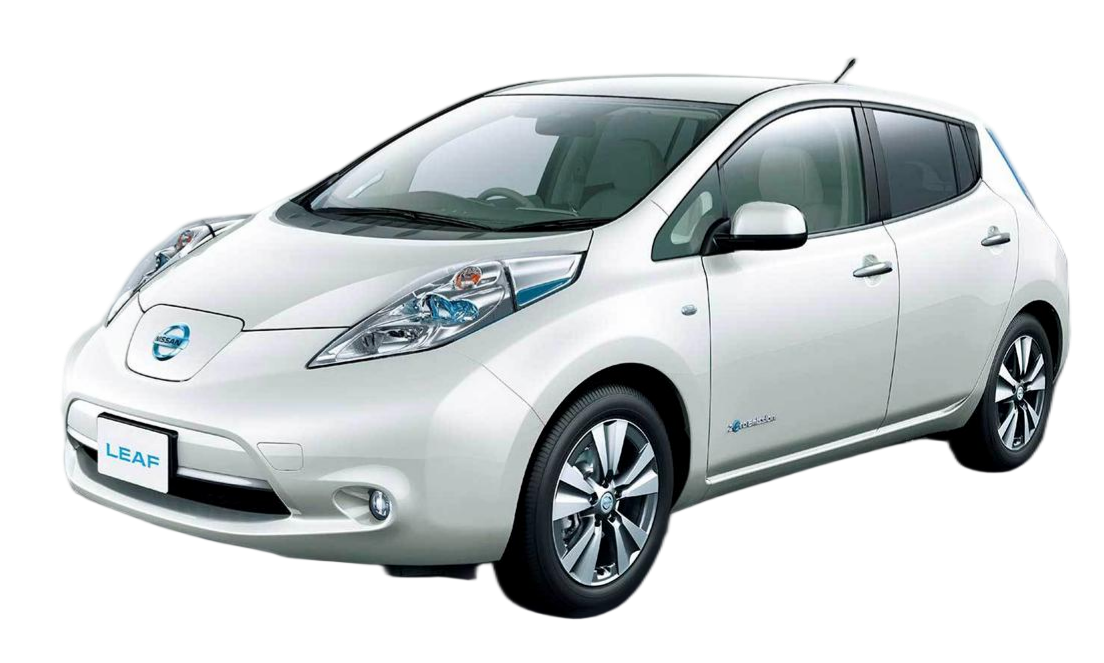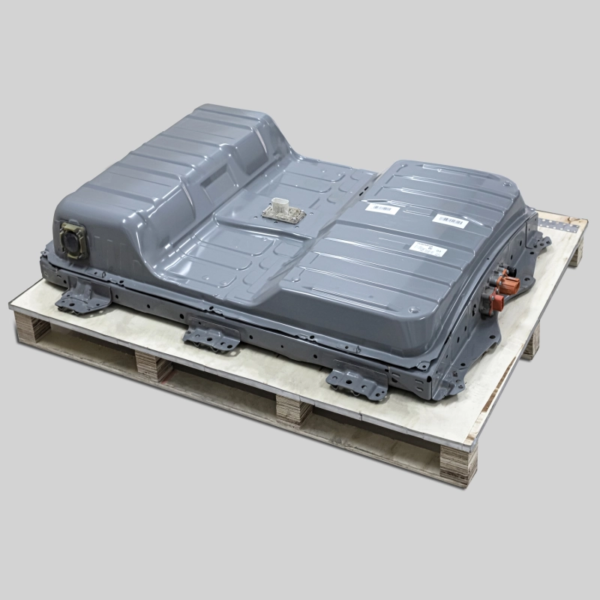
Here is the SEO-optimized article tailored for the Nissan Leaf Plus audience, designed to rank for your target keyword and convert readers into customers.
🔋 Top Rated New Batteries for Nissan Leaf Plus: The Ultimate Upgrade Guide
If you own a Nissan Leaf Plus (specifically the 40 kWh variant), you know that battery degradation is inevitable. After years of service, that once-impressive 150-mile range can dwindle down to a frustrating crawl. The official dealer quote for a replacement is often astronomical—frequently exceeding the value of the car itself.
This leaves Leaf Plus owners with a critical decision: Should you trade in your reliable EV, or is there a way to resurrect it with a new battery pack?
As an industry expert focused on sustainable EV ownership, I can tell you that the “Resurrection Route” is not only possible but highly cost-effective. The key is finding a Top Rated New Battery that meets OEM standards without the OEM price tag. In this guide, I will walk you through why the Nissan Leaf Plus battery is unique and how to identify a premium replacement solution that offers the best value for money.
⚡ Why the Nissan Leaf Plus (40 kWh) Battery is Different
Before diving into replacements, it is crucial to understand the specific hardware you are dealing with.
The Nissan Leaf Plus (released in 2018 and later, model code AZE0 or ZE1 depending on the market) utilizes a 40 kWh lithium-ion battery pack. This is distinct from the older 24 kWh and 30 kWh packs found in earlier models.
The Core Challenge:
Unlike the older Leaf models that used 24 Ah or 30 Ah cells, the Leaf Plus uses higher-capacity cells (specifically 62 Ah cells in the 40 kWh pack). When these degrade, simply “refurbishing” the old pack is rarely a long-term solution because the chemical structure of the cells has aged.
To truly get the “Plus” performance back, you need a brand new 40 kWh lithium battery pack built with fresh, high-grade cells.
🏆 What Makes a “Top Rated” Replacement?
When searching for a new battery, you will encounter three main options: Refurbished/Old Packs, DIY Cell Swaps, and New OEM-Compatible Packs.
Based on extensive testing and customer feedback, the “Top Rated” solution consistently proves to be a brand new, factory-assembled 40 kWh pack.
Here is why this beats the alternatives:
| Feature | Refurbished/Old Packs | DIY Cell Swaps | New OEM-Compatible (Top Rated) |
|---|---|---|---|
| Cell Quality | Aged, recycled cells with unknown history | New cells, but soldering risks | Brand new, premium cells (e.g., CATL) |
| Warranty | Often none, or very short | Usually none | 2 Years / 80,000 km |
| Fitment | May require modifications | High skill required | Plug-and-Play, OEM Standard |
| Longevity | 6-12 months max | Depends on installer skill | 5-8 Years+ |
| Price | High (60-80% of new price) | Medium (but high labor) | 50%+ Savings vs. Dealer |
Analysis:
Refurbished packs are essentially a gamble. You are buying someone else’s used goods. DIY swaps are dangerous and can void any remaining vehicle warranty. The New OEM-Compatible route offers the safety of a factory build with the affordability of an aftermarket solution.
🛠️ The Technical Solution: New 40 kWh Lithium Battery Pack
For the Nissan Leaf Plus, the technical specifications of a “Top Rated” battery are non-negotiable.
A premium replacement must utilize brand new, high-grade lithium-ion cells from a Tier-1 manufacturer. At CNS BATTERY, for example, our engineering team utilizes brand new CATL (Contemporary Amperex Technology Co. Limited) cells. CATL is one of the world’s largest battery manufacturers, supplying major OEMs globally.
Why CATL Cells Matter:
Using cells from a factory like CATL ensures that the chemical composition, thermal stability, and energy density match or exceed the original Nissan specifications. This is not a “cheap knock-off”; it is a parallel development using superior modern cell technology.
The pack is engineered to be a drop-in replacement. This means:
- Plug-and-Play: No modifications to wiring or brackets are needed.
- BMS Compatibility: The Battery Management System (BMS) is pre-programmed to communicate seamlessly with the Leaf’s Vehicle Control Module (VCM).
- Thermal Management: The pack is designed to integrate with the existing cooling system to prevent overheating.
💰 The Value Proposition: Saving 50%+ on Dealer Costs
Let us talk about the most compelling reason to choose a Top Rated new battery: The Price.
Dealers often quote between $12,000 and $16,000 for a 40 kWh replacement. This price is simply not sustainable for a used car.
A premium aftermarket solution, like the ones engineered for the Nissan Leaf Plus, typically costs less than half of that.
The Math:
- Dealer Price: ~$14,000
- Premium New Pack Price: ~$6,000 – $7,500 (depending on spec)
- Savings: $7,000+
With these savings, you could pay for several years of electricity, buy a new set of tires, or even upgrade your home charging station. You are not just buying a battery; you are investing in a car that feels brand new again for a fraction of the cost of a new EV lease.
🛡️ Trust & Warranty: Why a 2-Year Guarantee is Essential
Purchasing a battery is a significant investment. This is why the warranty is the most critical factor in determining if a product is truly “Top Rated.”
Many cheap alternatives offer no warranty or a “30-day satisfaction guarantee,” which is meaningless for a component that degrades over time.
A reputable manufacturer stands by its product with a long-term warranty. The industry benchmark for a premium pack is a 2-year / 80,000 km warranty.
What this covers:
- Defects in Materials and Workmanship: If a weld fails or a component breaks, it is replaced free of charge.
- Performance Degradation: A good warranty ensures that the battery maintains a high state of health (SOH). For instance, a guarantee that the pack will retain at least 70% capacity over the warranty period provides peace of mind that you are not buying a lemon.
🗺️ The Installation Process: Is it Difficult?
One common concern is whether installing a new 40 kWh pack requires a professional mechanic or if it is a DIY job.
The Reality:
For the Nissan Leaf Plus, the process is designed to be straightforward, but it does require basic mechanical skills and the right tools.
Estimated Time: 1-2 hours.
Difficulty Level: Intermediate (Similar to changing a transmission).
What the Process Involves:
- Disconnect Power: Isolating the 12V battery and the high-voltage service plug.
- Remove Undertray: Accessing the battery pack mounting points.
- Disconnect Cables: Unbolting the main positive and negative terminals and the service connector.
- Remove Mounting Bolts: The pack is held in by 8-10 bolts.
- Swap and Reconnect: Lowering the old pack and lifting in the new one.
Expert Tip: If you are not comfortable with this, most suppliers offer remote video guidance. A technician can walk you through the BMS programming and physical installation via video call to ensure everything is connected correctly.
📝 Final Verdict: Revive Your Leaf Plus
If you are looking for Top Rated New Batteries for Nissan Leaf Plus, the answer is clear. Do not settle for a used, refurbished pack with an unknown lifespan, and do not let the dealer’s exorbitant prices force you into buying a new car.
The smart choice is a brand new 40 kWh lithium battery pack built with Tier-1 cells (like CATL), backed by a solid 2-year warranty, and offered at a price that makes financial sense.
This upgrade transforms your Leaf Plus from a short-range commuter back into the long-distance capable EV it was designed to be. You get the range, the reliability, and the satisfaction of knowing you made an eco-friendly and economical choice.
Ready to get your custom quote and bring your Nissan Leaf Plus back to life? Get a Free Custom Quote today and see how much you can save.
❓ Frequently Asked Questions (FAQ)
Q1: Will a new aftermarket battery void my Nissan warranty?
A: If your Nissan is old enough to need a 40 kWh replacement (typically over 8 years old), the original factory warranty has likely expired. However, a high-quality aftermarket pack comes with its own warranty (usually 2 years). It is essential to ensure the BMS is programmed correctly to avoid communication errors with the car’s computer.
Q2: How much range can I expect after installing the new 40 kWh pack?
A: You should expect the range to match the original factory specifications. A new 40 kWh pack in a Leaf Plus should provide approximately 150-160 miles (240-260 km) of EPA-rated range. Real-world driving (with AC/Heating and highway speeds) will typically yield 120-130 miles (190-210 km) on a full charge.
Q3: What are the shipping options for international customers?
A: Reputable manufacturers offer DDP (Delivered Duty Paid) services to most countries. Because lithium batteries are classified as dangerous goods (UN 3480), they ship via specialized carriers like DHL, FedEx, or sea freight. Shipping to Europe, North America, and Australia is standard, though sea freight can take 4-8 weeks.
Q4: Do I need to reprogram the car’s computer after installation?
A: In most cases, yes, but it is a simple process. The new battery’s BMS needs to ” handshake” with the car’s VCM. This usually involves plugging a diagnostic tool into the OBD2 port and following a software reset procedure. Most suppliers provide detailed video tutorials or remote support for this step.
Q5: How do I know if my car is compatible?
A: Compatibility is determined by the VIN (Vehicle Identification Number) and the model year. The Nissan Leaf Plus 40 kWh was sold from 2018 onwards. To be 100% sure, you should provide your VIN to the supplier’s technical team for a free compatibility check before purchasing.
Contact Us for a Free Consultation
Don’t let battery degradation end your EV journey. Get expert advice and a personalized quote for your Nissan Leaf Plus.