Top Rated New Batteries for 2020 Nissan Leaf
If you drive a 2020 Nissan Leaf, you likely already know it’s one of the most reliable electric vehicles on the road. However, as your vehicle approaches the 5-year mark, you might be noticing a decline in range or receiving battery health warnings. When it comes time to replace the battery in a 2020 Leaf, the decision is critical. You need a solution that offers maximum range, long-term durability, and safety—without the exorbitant price tag of a dealership.
This guide focuses on the best available options, specifically highlighting the top-rated, brand-new battery packs that are currently transforming the driving experience for 2020 Leaf owners worldwide.
Why Your 2020 Nissan Leaf Needs a Premium Replacement
The 2020 Nissan Leaf is typically equipped with either a 40kWh or a 62kWh battery pack. Unlike older Leaf models (like the ZE0), the 2020 version (part of the ZE1 series) utilizes more advanced laminated cells rather than the older cylindrical style. This means that simply grabbing any used battery from a salvage yard is risky.
Used batteries come with hidden mileage. By 2026, many used packs from 2018 or 2019 are already significantly degraded. Installing a used pack means you are buying someone else’s depreciation. The superior choice is a brand new, factory-fresh battery pack designed to meet OEM specifications.
The Top Choice: Brand New 62kWh Lithium Battery Packs
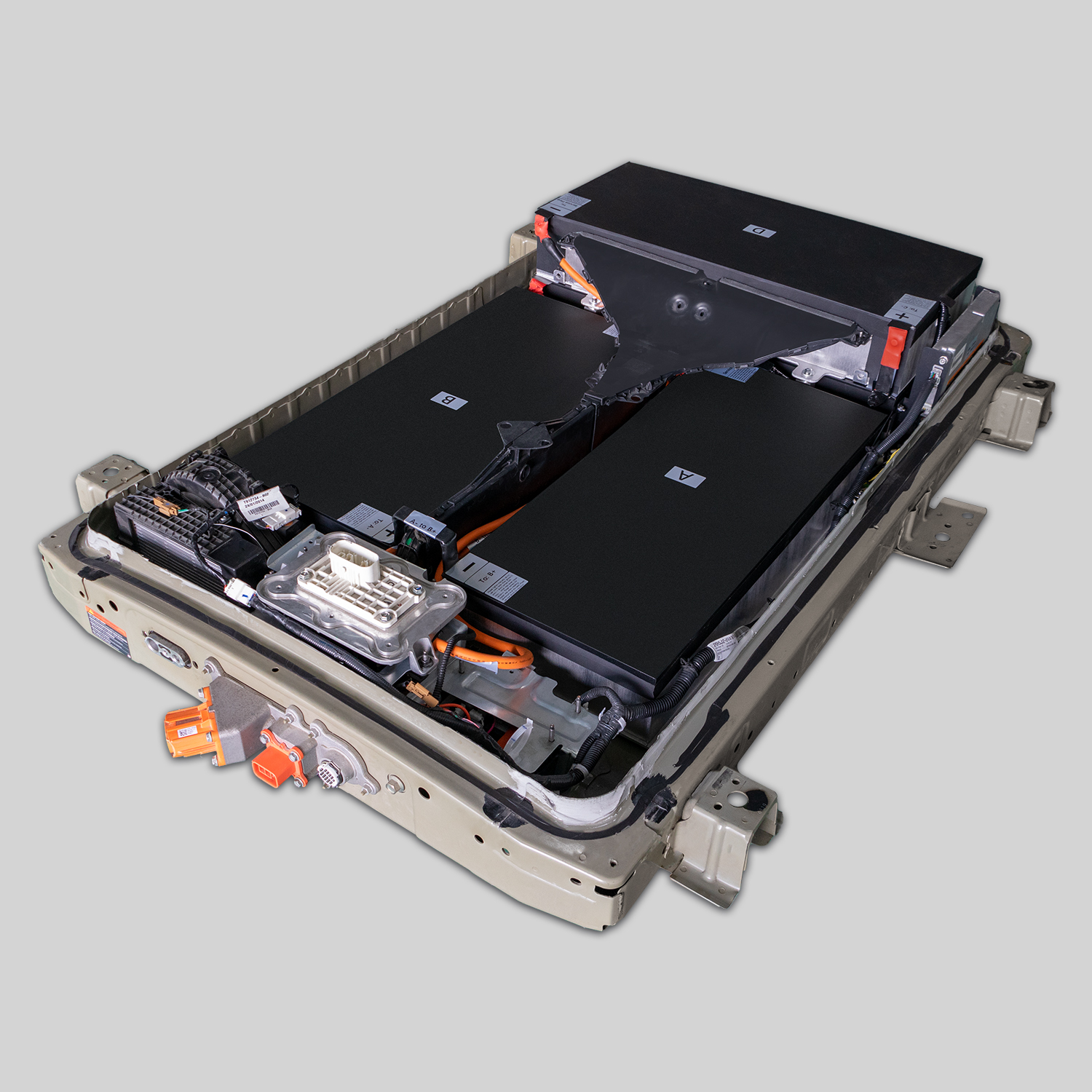
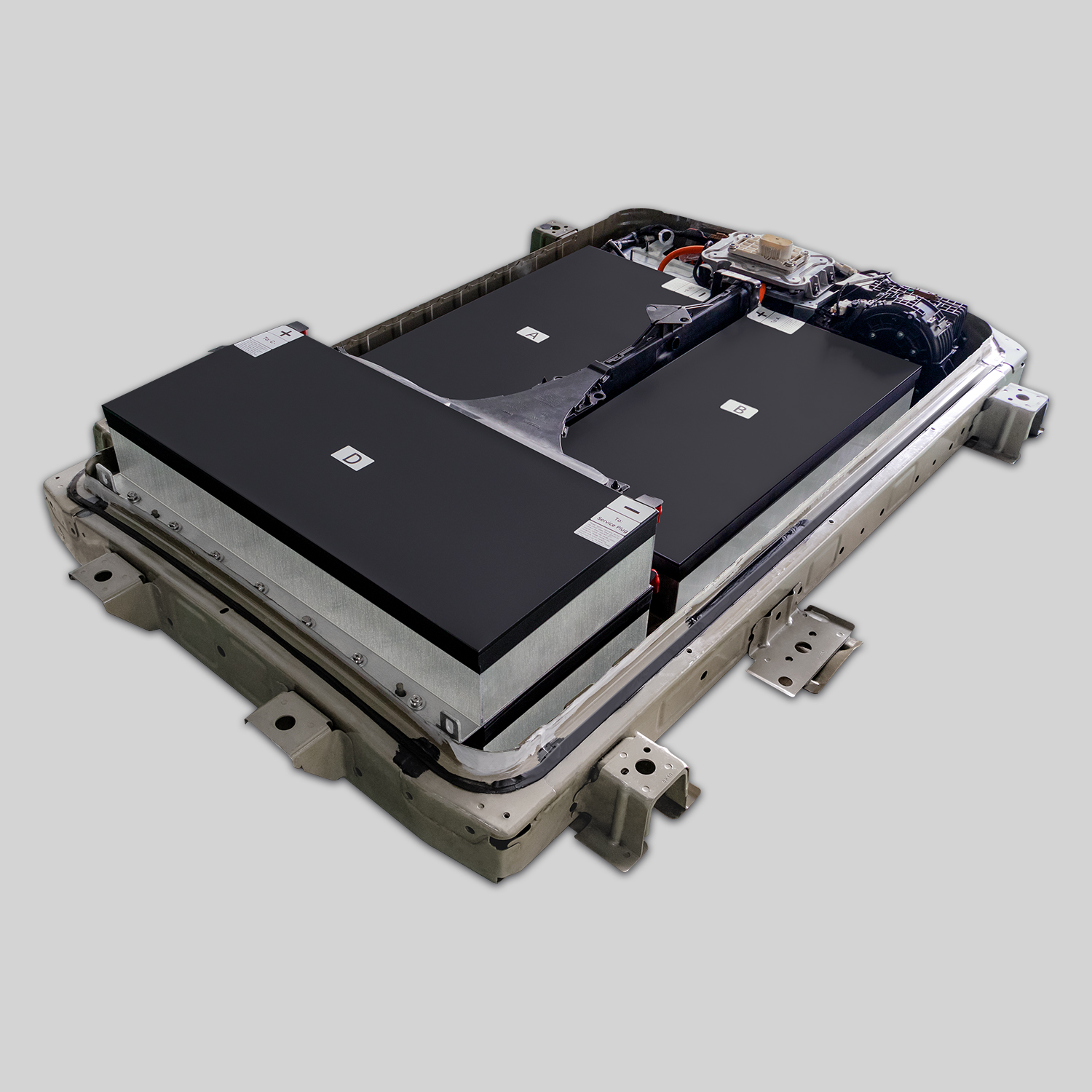
For the 2020 Nissan Leaf, the undisputed top-rated solution is a Brand New 62kWh Lithium Battery Pack.
Why 62kWh?
If your current Leaf is a 40kWh model, upgrading to a 62kWh pack is the ultimate way to “revive” your car. This upgrade can boost your range from roughly 150 miles to approximately 224 miles (EPA estimated) on a full charge. Even if you already have the 62kWh version, replacing it with a new unit restores the car to its original “like-new” performance.
Key Specifications:
- Voltage: 360V (Nominal)
- Cells: Premium Grade-A laminated cells (typically NMC chemistry)
- Capacity: 62 kWh
- Compatibility: Perfect fit for Nissan Leaf ZE1 (2018-2023+ models)
The Superiority of New Cells:
The critical factor separating a good replacement from a bad one is the cell quality. The best replacements utilize cells from Tier-1 manufacturers like CATL. These are the same quality cells used by major automakers, ensuring thermal stability and a long cycle life. Avoid “re-manufactured” or “refurbished” packs for your 2020 model, as they often use mismatched cells that can lead to swelling or BMS (Battery Management System) errors.
The Hidden Costs of “Cheap” Batteries
When searching for a replacement, you will see prices ranging from very cheap (used/refurbished) to very expensive (dealership). The “cheap” route often leads to disaster.
- Used Batteries: These are often sold “as-is.” They may have internal damage, uneven cell voltages, or be at the end of their life. A 2020 Leaf with a used battery might only last 6-12 months before failing again.
- Refurbished Packs: While cheaper than new, these involve taking apart an old pack and replacing only the “dead” modules. This creates a battery with cells of different ages, leading to imbalance and reduced performance.
The Cost-Benefit Analysis:
Purchasing a brand new pack from a reputable specialist actually saves money in the long run. While a dealership might charge $10,000-$16,000, a direct-from-manufacturer solution offers the same new technology for roughly 50% less.
Why Choose a Direct OEM-Compatible Solution?
As a specialist in Nissan EV batteries, we focus on providing OEM-compatible, factory-standard R&D solutions. This means our packs are engineered to fit perfectly and communicate flawlessly with your Leaf’s existing systems.
Here is what sets the top-rated packs apart:
- Zero Modification Installation: The pack is a direct drop-in replacement. The connectors, mounting points, and cooling channels match the original factory design exactly.
- Advanced BMS Integration: The Battery Management System is pre-programmed to communicate with the Nissan Leaf’s dashboard, ensuring you see 100% of the battery bars and accurate range estimates immediately after installation.
- Safety First: Premium packs include robust fumigation-free wooden crate packaging for shipping and meet international transport regulations (UN 38.3) for lithium batteries.
Installation and Support: A Stress-Free Process
Replacing a battery might seem daunting, but with the right support, it is manageable. Most professional mechanics can install the new pack in 1-2 hours.
What’s Included in the Service Package:
- Pre-Sales Compatibility Check: Before you buy, experts verify the fit for your specific VIN.
- Step-by-Step Guidance: Access to high-definition installation videos and PDF manuals.
- Remote Programming Support: If the BMS needs configuration, video call support is available to guide you through the process in real-time.
Frequently Asked Questions (FAQ)
Q1: Will a new 62kWh battery fit my 2020 Nissan Leaf?
Yes. The 2020 Nissan Leaf uses the ZE1 chassis code. A new 62kWh pack is a direct physical and electrical fit for this model. It is plug-and-play, requiring no modifications to the vehicle’s wiring or software.
Q2: How much range will I get with a new 62kWh pack?
You can expect a full charge range of approximately 224 miles (or about 360 km) under standard EPA testing conditions. Real-world range depends on driving style, terrain, and weather, but you should see a significant improvement over a degraded original pack.
Q3: What is the warranty on a new replacement battery?
Top-rated manufacturers offer substantial warranties to back their product. Look for a minimum of a 2-year / 80,000 km warranty. This coverage typically includes defects in materials and workmanship, and often guarantees that the battery will retain at least 70% of its capacity during the warranty period.
Q4: Is it safe to install a non-dealership battery?
Yes, if you purchase from a reputable manufacturer that uses Grade-A cells (like CATL) and adheres to strict safety standards. Reputable manufacturers undergo rigorous testing for overcharge, short-circuit, and thermal runaway protection. Always ensure the seller provides documentation for UN 38.3 testing for safe transport.
Ready to Restore Your Range?
Don’t let battery degradation limit your driving. Whether you need a direct replacement for your 40kWh model or an upgrade to 62kWh, getting a quote from a trusted manufacturer is the first step.
Get a Free Custom Quote Now
Contact Our Technical Experts