Top Mistakes in BMW i3 Battery Safety Checks
The BMW i3 is a technological marvel, but its heart—the high-voltage battery—requires specific attention to detail. Whether you are a seasoned mechanic or a DIY enthusiast, overlooking critical safety checks can lead to severe damage to the vehicle, or worse, personal injury.
At CNS BATTERY, we have spent over a decade specializing in OEM-compatible powertrains for premium brands like BMW. We have seen firsthand how simple oversights during maintenance or installation can compromise the safety and longevity of an EV battery. This guide is designed to highlight the top mistakes made during BMW i3 battery safety checks and how to avoid them, ensuring your vehicle remains a reliable and safe mode of transport.
1. Ignoring High-Voltage Safety Protocols
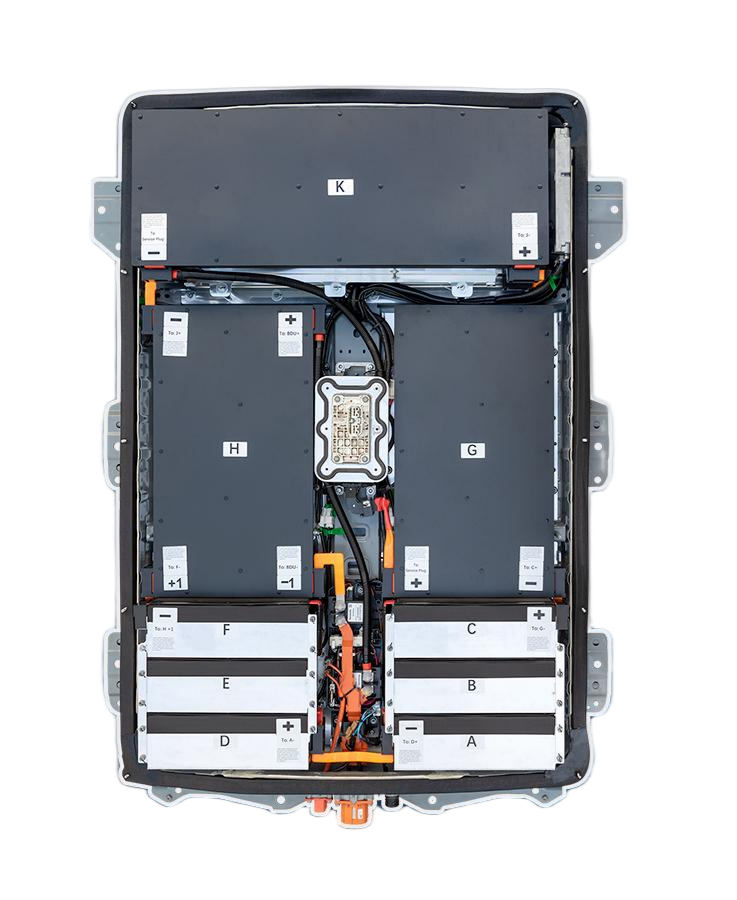
The most critical error, and potentially the most dangerous, is failing to follow proper high-voltage (HV) safety procedures. The BMW i3 battery operates at a nominal voltage of approximately 360V, which is lethal.
- The Mistake: Attempting to service the vehicle without disconnecting the high-voltage system properly. Some technicians only disconnect the 12V battery, which is insufficient.
- The Solution: Always follow the BMW i3 High-Voltage Safety Protocol. This involves:
- Switching off the ignition.
- Disconnecting the 12V battery.
- Removing the High-Voltage Service Plug (if applicable for specific model years).
- Waiting at least 10 minutes to allow capacitors to discharge.
- Verifying the absence of voltage using a CAT III or CAT IV rated multimeter before touching any orange cables.
Expert Insight: Never assume the system is safe. Even when the car is “off,” the high-voltage circuit remains live until physically disconnected.
2. Neglecting the “Before Installation” Inspection
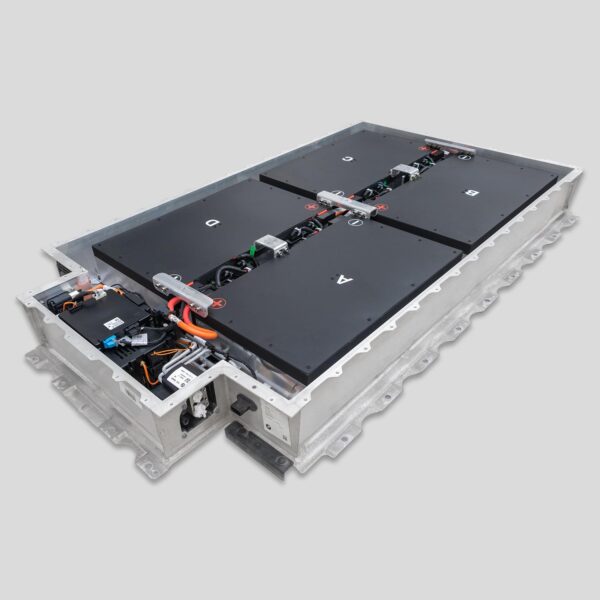
Many technicians jump straight into the swap without inspecting the battery pack beforehand. This is a gamble, especially if you are using a used or refurbished unit.
- The Mistake: Failing to check the Battery Management System (BMS) health, physical casing integrity, or coolant line condition before bolting the battery into the chassis.
- The Solution: Conduct a thorough visual and diagnostic inspection:
- Visual Check: Look for any signs of swelling, corrosion on terminals, or cracks in the housing. Even minor damage can escalate quickly under high load.
- Cooling System: Ensure the coolant inlets and outlets are free of debris. A clogged cooling channel is a silent killer of EV batteries.
- BMS Check: Use a compatible diagnostic tool to read the BMS for any historical error codes or cell imbalance before installation.
3. Improper Torque Application on Fasteners
The BMW i3 battery is a heavy component, and the chassis is designed to hold it securely. However, overtightening or undertightening the mounting bolts is a common mistake.
- The Mistake: “Hand-tightening” the bolts or cranking them down with excessive force, thinking “tighter is safer.”
- The Solution: Always use a torque wrench. The specific torque specifications vary depending on the mounting point (e.g., front subframe vs. rear crossmember), but typically range between 40 Nm to 90 Nm for structural bolts.
- Undertightening: Can cause the battery to vibrate loose, damaging the undercarriage or high-voltage connectors.
- Overtightening: Can strip the threads in the aluminum chassis or crack the battery housing, leading to coolant leaks or structural failure.
4. Mishandling the High-Voltage Connectors
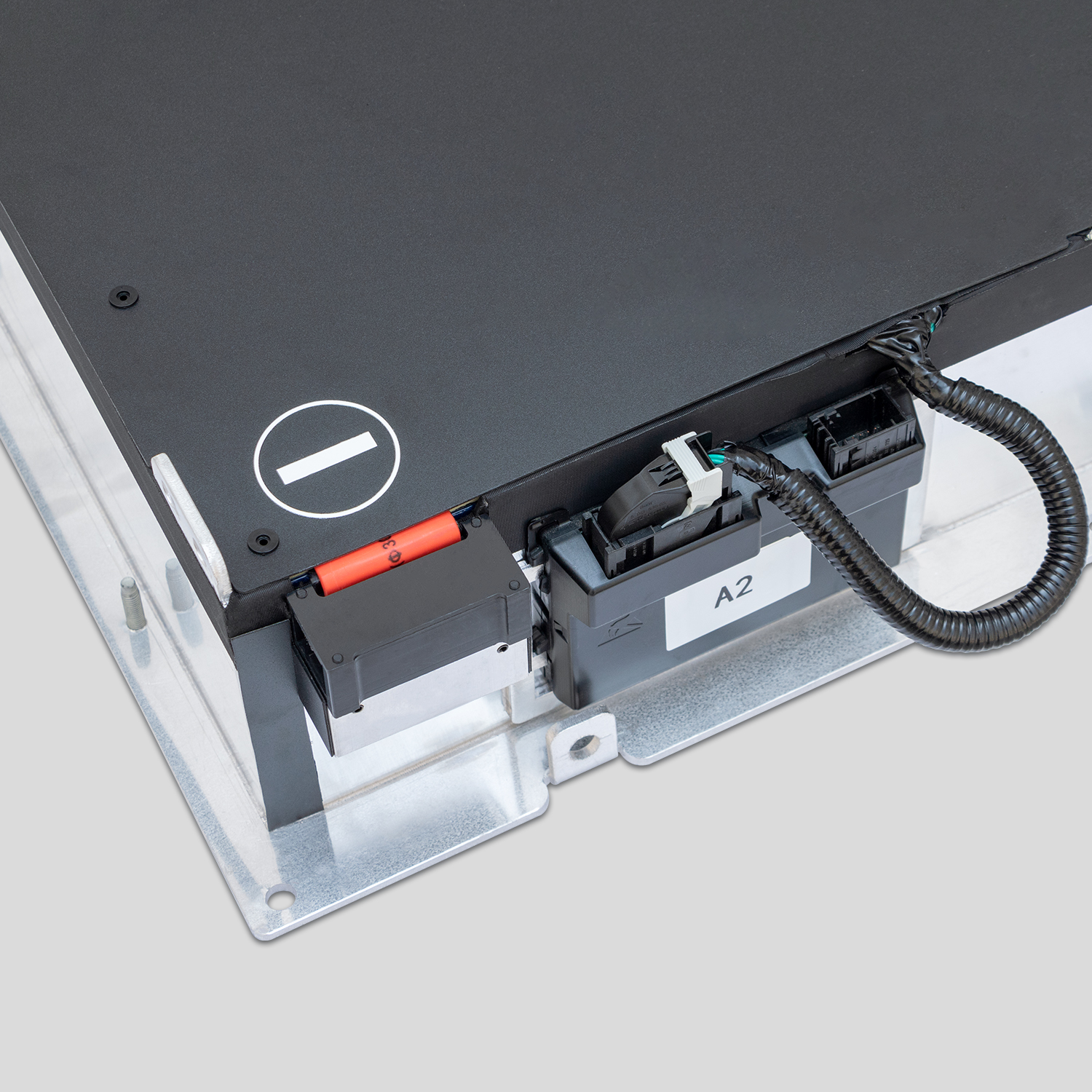
The high-voltage connectors on the BMW i3 are sophisticated pieces of engineering designed to be weatherproof and secure. Forcing them or failing to latch them correctly is a frequent error.
- The Mistake: Forcing the connector housing onto the port or failing to engage the secondary locking mechanism. This often happens when the alignment pins are not lined up correctly.
- The Solution:
- Inspect Seals: Check the rubber gaskets on both the connector and the port for tears or dirt.
- Align Correctly: Never force it. The connector should slide on smoothly.
- Lock Securely: Ensure you hear the distinct “click” of the secondary latch. This latch is crucial as it provides the waterproof seal and prevents the connector from vibrating loose while driving.
5. Overlooking the Cooling System Flush
The thermal management system is vital for the longevity of lithium-ion batteries. A mistake often made during a battery replacement is reusing old coolant or failing to bleed the system properly.
- The Mistake: Refilling the system with the wrong type of coolant (e.g., standard car coolant) or not bleeding the air from the system.
- The Solution:
- Use Correct Coolant: BMW i3 uses a specific coolant mixture (often a water-glycol mix with specific inhibitors).
- Bleed the System: Air pockets in the cooling plates can cause hotspots, leading to rapid cell degradation. Always follow the manufacturer’s bleed procedure to ensure 100% coolant fill.
6. Skipping the Post-Installation Registration
For aftermarket or replacement batteries, simply plugging in the hardware is not enough. The car’s computer needs to recognize the new BMS.
- The Mistake: Assuming the car will start and function normally without reprogramming the battery registration.
- The Solution: After installing a new battery (especially an aftermarket one like those from CNS BATTERY), you must perform a Battery Registration Reset using BMW-specific diagnostic software (such as ISTA). This resets the BMS learning values so the car knows it has a fresh battery with full capacity.
Why Choose CNS BATTERY for Your BMW i3?
At CNS BATTERY, we understand the complexities of the BMW i3 powertrain. We don’t just sell batteries; we provide engineered solutions.
- OEM Standards: Our batteries are designed to meet original factory standards, utilizing brand-new CATL (Contemporary Amperex Technology Co. Limited) cells. This ensures superior durability, safety, and energy efficiency compared to refurbished units.
- Unbeatable Warranty: We stand by our quality with an industry-leading 2-year / 80,000 km warranty. This covers manufacturing defects and performance degradation, ensuring your battery maintains at least 70% capacity over the warranty period.
- Expert Support: We know safety checks are vital. That is why we offer video call installation guidance from our technical experts. If you get stuck on a connector or a torque spec, we are just a call away.
Don’t risk your safety or your vehicle’s performance with substandard parts or procedures.
Frequently Asked Questions (FAQ)
Q1: What is the most common cause of BMW i3 battery failure?
A1: The most common cause is thermal runaway due to cooling system failure. If the coolant lines get clogged or the pump fails, the cells can overheat. This is why checking the cooling system during safety checks is non-negotiable.
Q2: Can I install a new BMW i3 battery myself?
A2: While it is technically possible for a skilled DIYer, it is highly recommended to use a certified technician due to the high-voltage risks. If you do attempt it yourself, you must have the proper tools (insulated gloves, CAT III meter) and diagnostic software to reset the battery registration.
Q3: How do I know if my BMW i3 battery needs replacing?
A3: Common signs include a drastic reduction in range (e.g., dropping below 60-70% of original capacity), the “12V battery” warning light appearing frequently (often caused by a weak HV battery not charging the 12V system), or error codes related to cell imbalance.
Q4: Are aftermarket BMW i3 batteries safe?
A4: Yes, if sourced from a reputable manufacturer like CNS BATTERY. We use brand-new, top-tier cells and rigorous quality control. However, cheap, uncertified aftermarket batteries can be dangerous due to poor BMS design and low-quality cells.
Ready to upgrade your BMW i3 with a safe, reliable, and high-performance battery?
Ensure your next battery swap is done right with CNS BATTERY. Get a free quote and speak to our technical experts today to find the perfect solution for your vehicle.