
Here is the SEO-optimized article tailored for your requirements.
Top DIY Videos for New Nissan Leaf Plus Swap
Introduction
If you own a Nissan Leaf Plus (specifically the ZE1 model with the 62kWh pack) and are considering a battery swap, you are likely facing a critical juncture. The original battery might be degraded, swollen, or simply unable to meet your daily range needs. While the idea of replacing an EV battery can be intimidating, the rise of high-quality aftermarket solutions has made this process more accessible than ever.
For many owners, the prospect of a “DIY” battery swap brings up mixed emotions: the excitement of saving thousands of dollars on labor, countered by the fear of high-voltage risks and complex programming. If you are researching “Top DIY Videos,” you are likely looking for visual proof that this process is manageable and seeking the confidence to proceed.
This guide cuts through the noise. We have analyzed the most effective instructional content available and combined it with the specific requirements of installing a modern, high-performance replacement pack. Whether you are a seasoned mechanic or a determined enthusiast, this resource will help you understand the process and connect you with the right tools and parts.
Why Visual Guidance is Crucial for Your Leaf ZE1 Swap
A Nissan Leaf battery replacement is not like changing a tire. It involves high-voltage safety protocols, heavy lifting, and electronic system integration. This is why relying solely on a text-based manual is often insufficient.
Visual learning reduces risk. By watching a professional or experienced technician perform the steps, you can identify potential pitfalls before you slide under your car. The “Top DIY Videos” for a Leaf Plus swap generally fall into two categories: general mechanical removal/installation and specific Battery Management System (BMS) programming.
However, it is vital to ensure the videos you watch match your specific hardware. Many tutorials online were filmed years ago for the older 24kWh or 30kWh models. The Nissan Leaf ZE1 (40kWh/62kWh) has a different chassis layout and connector configuration. Watching outdated footage can lead to confusion and mistakes.
The Mechanical Swap: Step-by-Step Breakdown
Before you even think about turning a wrench, you must prioritize safety. The high-voltage system in your Leaf operates at levels that can be lethal. The first segment of any quality DIY video should emphasize isolation and de-energizing the system.
Here is the standard mechanical process you should expect to see in a reliable instructional video:
- Isolation: Disconnect the 12V battery and remove the service plug (if present in your model year) to cut high-voltage flow.
- Draining: If your vehicle is equipped with a thermal management system (coolant), this must be safely drained.
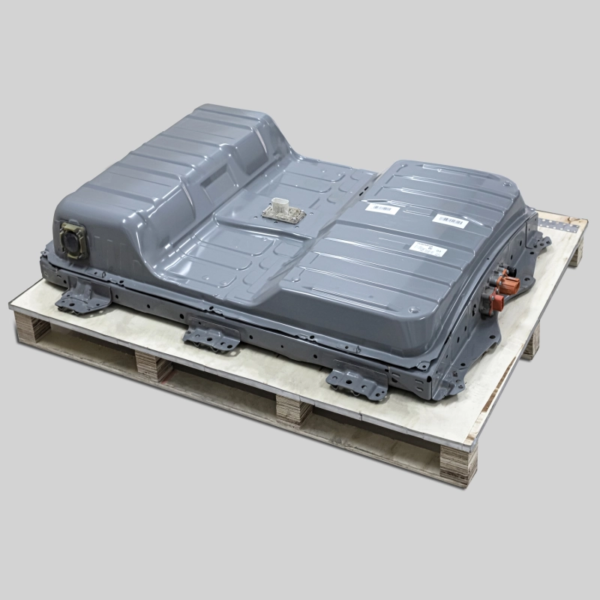
- Removal: This is the most labor-intensive part. You will need a transmission jack or a specialized EV battery trolley. The pack is heavy (approximately 300-400 kg / 660-880 lbs for the ZE1).
- Pro Tip: Watch for videos that show the correct lifting points. Damaging the battery casing can lead to water ingress or cell damage.
- Installation: Lowering the new pack requires precision. The alignment of the high-voltage connectors and coolant lines (if applicable) is crucial.
- Reconnection: Reinstalling bolts to the correct torque specification and refilling coolant.
Expert Note: If you are watching a video where the technician is not wearing insulated gloves or using insulated tools, consider that a red flag. Safety must be the priority.
The Hidden Challenge: BMS and Software Integration
The mechanical swap is only half the battle. The most common reason a DIY swap fails is due to the Battery Management System (BMS). Your car’s computer needs to recognize the new battery. If you are installing a brand-new aftermarket pack (such as those utilizing CATL cells), the BMS often needs to be programmed to match your Vehicle Identification Number (VIN).
Many generic YouTube tutorials do not cover this step because it requires proprietary software and dongles. This is where having access to a manufacturer’s specific guide is essential.
Unlike recycling old modules, a brand-new battery solution requires the BMS to be “awakened” and calibrated. If the video you are watching stops at “plugging it in,” you might be missing critical post-installation steps.
Selecting the Right Replacement Pack for Your DIY Project
When searching for videos, you will likely encounter content related to two types of replacements: used/rebuilt packs and brand new OEM-compatible packs.
- Used/Rebuilt: Videos often show “module swapping” where bad modules are replaced with salvaged ones. This is risky. You are gambling on the health of second-hand cells.
- Brand New (CATL/OEM): This is the “Leaf Plus” upgrade path. These videos should demonstrate a Plug-and-Play installation with a new BMS.
For a Leaf Plus swap, we strongly recommend opting for a brand-new solution. Why? Because you are not just fixing the car; you are upgrading it. A new 62kWh pack can restore your range to factory levels (or even exceed it with higher-density modules) and comes with a proper warranty.
Key Features of a Modern Replacement Pack:
- New Prismatic Cells: Specifically, cells from top-tier manufacturers like CATL offer superior thermal stability compared to older chemistries.
- OEM Fitment: The connectors and mounting points must match the ZE1 chassis exactly to avoid modification.
- Warranty Coverage: A genuine 2-year / 80,000 km warranty is a standard you should demand.
How to Find the Best Video Resources
Since the specific video links can change, the best strategy is to look for resources provided directly by the battery manufacturer you choose. Generic “how-to” videos are helpful for understanding the physical layout, but they cannot provide the specific programming codes or BMS setup guides.
If you are considering a high-quality replacement to maximize your Leaf’s lifespan, we provide comprehensive support documentation and video guides tailored to our specific packs. Our goal is to ensure that when you watch our instructional content, you see a process designed for safety, compatibility, and long-term reliability.
Frequently Asked Questions (FAQ)
Q1: Can I really install a Nissan Leaf ZE1 battery by myself?
Yes, many owners successfully perform the mechanical swap themselves. It is physically demanding but mechanically straightforward (unbolt and rebolt). However, the BMS programming often requires specialized tools. We recommend watching our specific installation videos to assess your comfort level. If you are unsure about the electronics, we strongly advise hiring a certified technician for the final programming step, even if you remove the old battery yourself.
Q2: What is the difference between a 40kWh and a 62kWh (Leaf Plus) swap?
The physical installation process is nearly identical for the ZE1 chassis. The difference lies in the cell density and BMS configuration. A 62kWh pack offers significantly more range. When sourcing your replacement, ensure the pack is labeled for your specific model year to guarantee connector compatibility.
Q3: Are the new aftermarket batteries safe compared to the original Nissan battery?
Yes, when sourced from a reputable manufacturer. We utilize brand-new CATL battery cells, which are manufactured to higher safety and quality standards than the original Nissan packs from the early 2010s. Our packs include robust Battery Management Systems to prevent overcharging and overheating, often exceeding the safety features of the original degraded units.
Q4: What tools do I need for the swap?
You will need:
- A transmission jack or EV battery trolley (rated for at least 500kg).
- Insulated wrenches and screwdrivers (for high-voltage safety).
- A torque wrench (to tighten bolts to Nissan specifications).
- Coolant (if your model has a liquid-cooled battery).
- A laptop with programming software (provided by the battery manufacturer for BMS setup).
Q5: How much can I save by doing a DIY swap?
By performing the mechanical swap yourself, you can save on labor costs, which typically range from $800 to $1500 USD at a repair shop. Combined with the fact that our replacement packs cost roughly 50% less than a new OEM Nissan battery, a DIY approach makes reviving your Leaf financially viable.
Ready to restore your Nissan Leaf Plus to its full potential? Don’t gamble on recycled cells. Get a free quote for a brand-new, high-capacity battery pack designed for safety and longevity.

