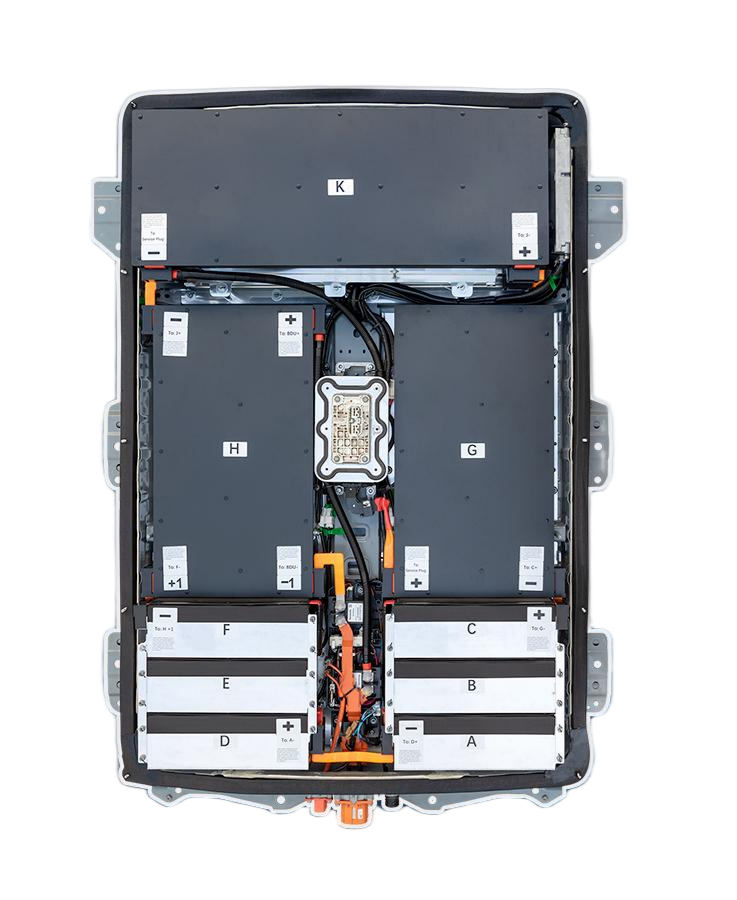
Top DIY Tools for New Nissan Leaf e+ Install
Upgrading your Nissan Leaf to the e+ specification with a high-capacity battery pack is one of the most rewarding modifications an EV owner can undertake. Whether you are aiming to extend your vehicle’s range from the standard 40kWh to the coveted 62kWh or even a custom 68kWh capacity, a successful Nissan Leaf battery replacement hinges on two critical factors: the quality of the battery pack itself and the preparation of your toolkit.
At CNS BATTERY, we specialize in providing OEM-compatible, high-performance lithium battery packs for Nissan models, including the Leaf ZE0, AZE0, and ZE1 series. While our packs are designed for plug-and-play compatibility, having the right tools ensures a smooth, safe, and efficient installation process. This guide will walk you through the essential DIY tools required for a professional-grade installation in your garage.
🛠️ Essential Toolkit for Nissan Leaf Battery Swapping
Before you slide under your vehicle, it is crucial to gather the necessary equipment. A Nissan Leaf battery replacement is a heavy-duty task that requires both mechanical and electrical tools. Using substandard equipment can lead to stripped bolts, electrical shorts, or personal injury.
1. Torque Wrench and Socket Set
The foundation of any mechanical work is a reliable torque wrench. The Nissan Leaf utilizes various bolt sizes for the undercarriage and battery tray. You will need a set of deep sockets (typically ranging from 10mm to 19mm) and a torque wrench capable of reaching at least 100 Nm.
- Why it is important: Over-tightening the battery mounting bolts can crack the housing or strip the threads in the chassis. Under-tightening can cause the battery to vibrate loose. Following the manufacturer’s torque specifications is non-negotiable for safety.
2. Hydraulic Jack and Heavy-Duty Axle Stands
The Leaf battery pack weighs approximately 250kg to 300kg (depending on the kWh rating). You cannot lift this by hand.
- Recommendation: Use a 3-ton (or higher) hydraulic floor jack to lift the vehicle and a pair of heavy-duty axle stands to hold it securely. Never rely solely on a jack.
- Safety Note: Always chock the wheels that remain on the ground to prevent the car from rolling.
3. Transmission Jack or Engine Crane
This is the most critical tool for the job. A standard scissor jack or a small trolley jack will not suffice. You need a low-profile transmission jack or a mobile engine crane.
- Function: These tools allow you to precisely lower the old battery and lift the new Nissan Leaf e+ battery into the chassis cavity. Look for a jack with a weight capacity exceeding 350kg to have a safety margin.
4. Insulated PPE (Personal Protective Equipment)
Working with high-voltage EV batteries demands strict safety protocols.
- Essential Gear: High-voltage insulated gloves (Class 00, rated for 1000V), safety goggles, and non-conductive footwear.
- Precaution: Always disconnect the 12V auxiliary battery first to ensure the high-voltage system is dormant before touching any connectors.
📦 Selecting the Right Battery Pack: CNS BATTERY Advantage
While tools get the job done, the performance of your upgrade depends entirely on the battery cells. Many DIYers make the mistake of purchasing refurbished or low-grade packs, only to face range anxiety or premature degradation shortly after installation.
At CNS, we manufacture Nissan Leaf battery packs using brand-new, grade-A cells sourced directly from CATL (Contemporary Amperex Technology Co. Limited), the same tier-1 suppliers used by major OEMs. Our packs are engineered to meet OEM standards for the Leaf ZE0, AZE0, and ZE1 models, ensuring seamless integration with your Vehicle Control Unit (VCU).
Key Specifications of Our Leaf e+ Upgrades:
- Capacity Options: 40kWh, 50kWh, 62kWh, and Custom 68kWh.
- Cell Chemistry: High-density NMC (Nickel Manganese Cobalt) for maximum energy storage.
- BMS (Battery Management System): Fully programmable to match your Leaf’s specific year and model requirements.
Unlike generic aftermarket batteries that may require complex rewiring, CNS packs are designed for direct replacement. This means your installation time is significantly reduced, and you avoid the hassle of custom bracket fabrication.
⚡ The Installation Process: A Step-by-Step Overview
Having the right Nissan Leaf battery replacement kit and tools makes the physical swap surprisingly straightforward. Based on feedback from our professional installers and DIY customers, the process typically takes 1 to 2 hours.
Step 1: Preparation and Disconnection
Park the vehicle on a level surface. Disconnect the 12V negative terminal. Put on your insulated gloves and safety glasses. Remove the underbody plastic shields to access the battery bolts.
Step 2: Lowering the Old Battery
Using your hydraulic jack, support the existing battery pack. Remove the mounting bolts and electrical connectors (HV and LV). Slowly lower the old unit using the transmission jack.
Step 3: Installing the CNS e+ Battery
Lift the new CNS Nissan Leaf e+ battery onto the transmission jack. Align it with the chassis rails. The connectors are designed to be plug-and-play, meaning they match the original factory layout perfectly.
- Connection: Attach the high-voltage (HV) and low-voltage (LV) connectors. Ensure the seals are intact to maintain the IP67 waterproof rating.
- Mounting: Slide the battery into place and torque the bolts to the manufacturer’s specifications.
Step 4: System Initialization
Reconnect the 12V battery. Turn the ignition on (do not start the car yet). The VCU will communicate with the new BMS. If you encounter any communication errors, our technical support team offers remote video guidance to assist with BMS programming.
🛡️ Why Choose CNS for Your Upgrade?
Choosing the right supplier is as important as having the right wrench. Here is why CNS BATTERY stands out in the market for Nissan Leaf upgrades:
| Feature | CNS BATTERY | Generic/Refurbished Packs |
|---|---|---|
| Cell Quality | Brand New CATL Cells | Recycled/Used/Unknown Origin |
| Warranty | 2 Years / 80,000 km | Often None or 6 Months |
| Compatibility | OEM Plug-and-Play | May require Adapter Wiring |
| Price | 50% Less than OEM | Variable, Often Hidden Costs |
Unbeatable Warranty: We back our confidence in our manufacturing with a comprehensive 2-year warranty, covering defects and performance degradation. Most generic sellers cannot offer this because their cells are salvaged.
Technical Support: We do not just sell you a box of cells and wish you luck. Our team provides detailed installation manuals, video tutorials, and direct technical support to ensure your Nissan Leaf battery replacement goes off without a hitch.
📝 Conclusion
Upgrading to a Nissan Leaf e+ battery is a fantastic way to breathe new life into your electric vehicle. By investing in the right tools—specifically a heavy-duty transmission jack, torque wrench, and proper PPE—you ensure a safe and professional installation.
Pairing those tools with a high-quality, brand-new battery pack from CNS BATTERY guarantees that your vehicle will deliver the range, performance, and safety you expect. Don’t let the complexity of the task intimidate you; with the right preparation, you can complete this upgrade in your own driveway.
Ready to start your upgrade journey? Contact our technical experts now for customization and get a free quote for your specific Nissan Leaf model.
❓ Frequently Asked Questions (FAQ)
Q1: Can I install a Nissan Leaf e+ battery (62kWh) on my older ZE0 model by myself?
Yes, it is possible. Our packs are designed for direct OEM replacement. However, due to the weight (approx. 300kg) and high-voltage risks, we strongly recommend having mechanical experience and the proper heavy-duty transmission jack. If you are unsure, consult a professional mechanic, but be aware that labor costs can be high.
Q2: What is the most common mistake during a Nissan Leaf battery replacement?
The most common mistake is not properly torquing the mounting bolts or failing to wear insulated PPE. Another frequent error is not resetting the BMS or VCU communication after installation. If your dashboard shows errors after the swap, it usually requires a simple programming reset, which our customer service can guide you through via video call.
Q3: How much does a Nissan Leaf e+ battery upgrade cost compared to the original manufacturer?
CNS BATTERY offers a significant cost advantage. While an original manufacturer replacement can cost upwards of $16,000 USD, our brand-new, CATL-cell packs typically cost around $7,800 to $8,200 USD, saving you over 50% on the purchase price.
Q4: Do I need special tools to program the new battery’s BMS?
Generally, no special hardware tools are needed for the initial connection as it is plug-and-play. However, if the car does not recognize the battery (rare with our pre-programmed units), you may need software access or remote assistance. We provide free remote video guidance to resolve any programming hiccups during installation.