Top DIY Resources for New Nissan Leaf Plus Swap
Is your Nissan Leaf struggling to keep up with your daily commute? If you own a Nissan Leaf Plus (specifically the ZE1 model with its larger battery capacity), you know the heart of the vehicle is its battery pack. When the range drops from a robust 270km+ to a mere crawl, the decision to replace it is both critical and daunting. As a seasoned EV battery expert, I’ve seen countless owners trapped by the exorbitant prices of Original Equipment Manufacturer (OEM) replacements. However, the rise of the DIY EV community has unlocked a treasure trove of resources, making it safer and more affordable than ever to perform a Nissan Leaf Plus battery swap.
This guide cuts through the noise to provide you with the most reliable, up-to-date DIY resources for sourcing and installing a new battery pack. We will focus on maximizing your range, ensuring safety, and slashing your costs by over 50% compared to the dealership.
Why the Nissan Leaf Plus (ZE1) is a Prime Candidate for Swapping
Before diving into the tools and tutorials, let’s understand why the Leaf Plus (model year 2018-2022, code ZE1) is such a popular candidate for this upgrade.
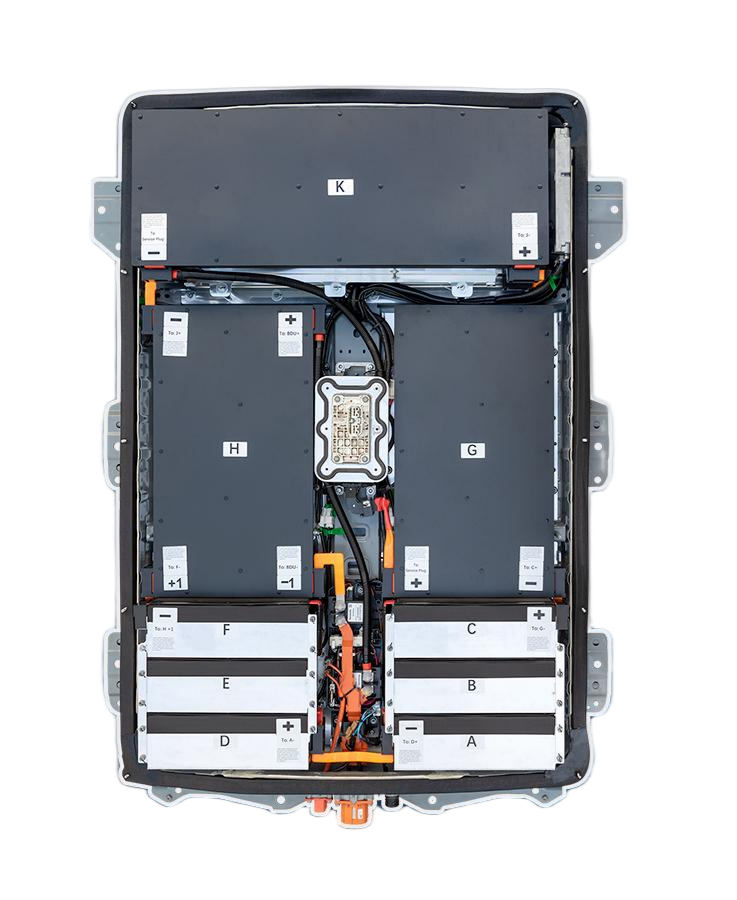
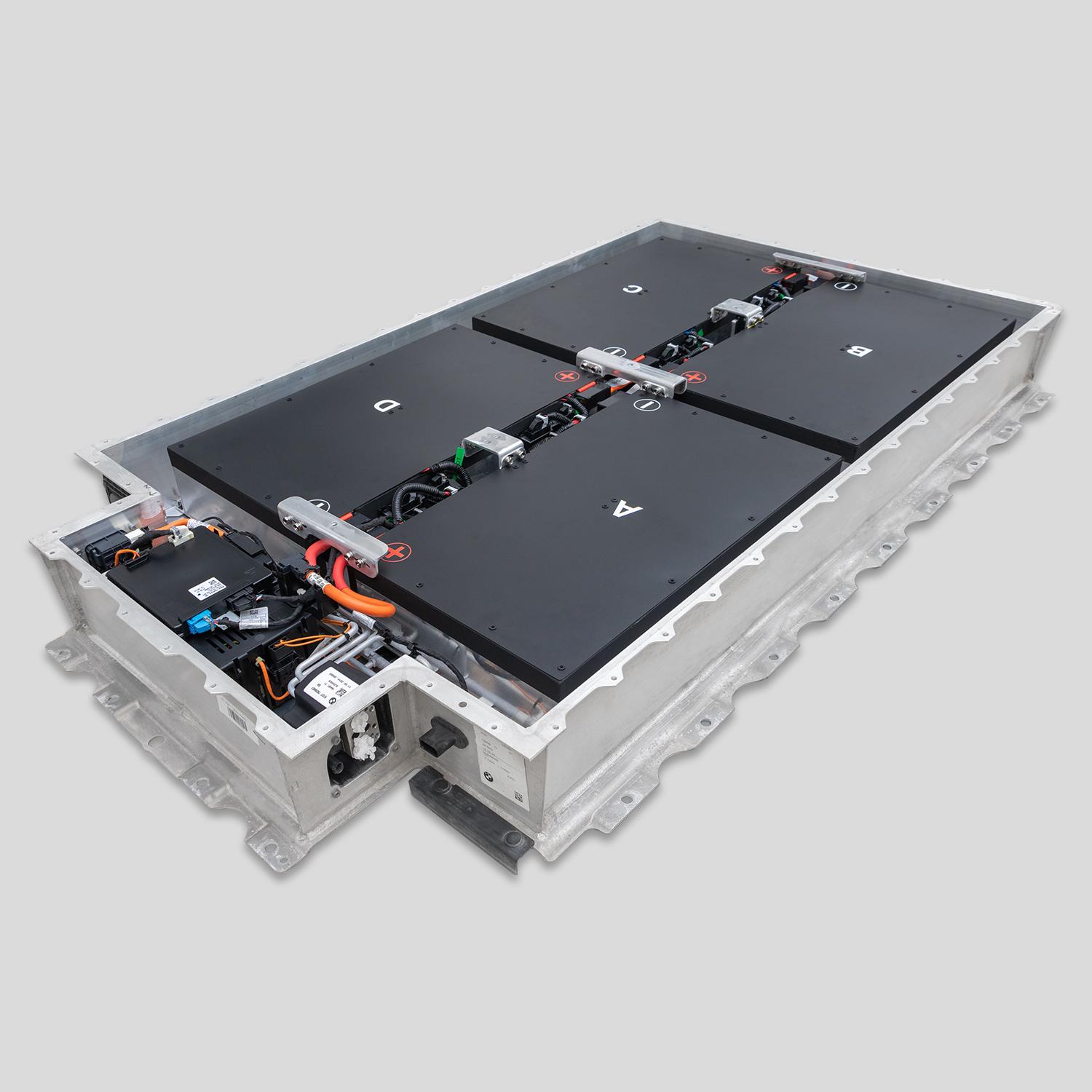
Unlike the standard Leaf models (ZE0/AZE0) that use 24 or 30 kWh packs, the Leaf Plus utilizes a 62 kWh lithium battery pack. This larger capacity relies on advanced Lithium Nickel Manganese Cobalt Oxide (NMC) chemistry. When this pack degrades, the performance drop is significant. However, because the ZE1 uses a modular design, swapping it for a new, high-capacity pack can effectively turn a 5-year-old car into a “new” EV with zero depreciation hit.
The key to a successful swap lies in two factors: battery cell quality and BMS (Battery Management System) compatibility.
Essential Online Communities and Forums
The first stop on your DIY journey should be the digital garage: online forums. These are not just chat rooms; they are databases of collective experience.
- NicoClub (Nissan Leaf Owners Club): This is the epicenter of Leaf knowledge. Search for the “Battery Replacement” section. You will find detailed threads where owners have documented their entire swap process, including voltage readings, error codes, and torque specifications for the bolts.
- Reddit (r/BattleForTheNet or r/ElectricVehicles): While broader, these subreddits often have “DIY EV” megathreads. Look for posts specifically mentioning “ZE1” or “62kWh.” Users here frequently share links to third-party vendors and warn against counterfeit battery modules.
Pro Tip: Always verify the advice given in forums with a professional source. While the community is knowledgeable, not every member is an electrical engineer.
Step-by-Step Video Tutorials: Visual Learning
For a physical task like dropping a 300kg battery pack, text instructions are not enough. You need to see the process.
- YouTube Channels: Search for channels dedicated to EV repair. Look for videos that show the disconnect sequence. It is crucial to disconnect the 12V auxiliary battery first, followed by the main contactors.
- Manufacturer Installation Guides: Reputable battery suppliers, such as CNS BATTERY, provide high-definition tutorial videos. These are often superior to generic YouTube videos because they are tailored to the specific connectors and layout of the new aftermarket packs you might purchase. A good video guide should cover:
- Power isolation procedures.
- Removal of the underbody shields.
- Unbolting the high-voltage connectors.
- Jacking points for the vehicle and the battery trolley.
The Technical Documentation: Service Manuals
You cannot perform a professional swap without the factory specs. The Nissan Leaf Service Manual is the bible for this job. Resources like “Mitchell1” or downloadable PDFs from technical libraries provide the exact torque values for the battery mounting bolts (usually around 80-100 Nm) and the specific pinout diagrams for the communication cables.
Warning: Never guess the torque. Over-tightening can crack the battery casing, while under-tightening can cause the battery to rattle loose.
Sourcing Your New Battery: The Core Decision
This is where most DIYers get stuck. You have three choices: refurbished packs, used packs, or new aftermarket packs.
Based on the search results, a significant trend is emerging toward new aftermarket packs utilizing brand-new cells from top-tier manufacturers like CATL. This approach offers a compelling alternative to the expensive OEM route.
The Aftermarket Advantage:
According to industry insights, companies like CNS BATTERY specialize in OEM-compatible packs designed specifically for Nissan and BMW. These are not recycled old batteries; they are engineered from scratch using brand-new, original battery cells.
- Cost: These solutions typically cost about 50% less than an OEM replacement.
- Performance: By using fresh, high-grade NMC cells, these packs often offer a longer lifespan and better thermal management than refurbished units.
- Warranty: Look for providers offering substantial warranties (such as 2 years / 80,000 km), which is a strong indicator of reliability and surpasses many standard industry offerings.
The Installation Process: Safety First
Once you have sourced your new 62 kWh pack, the installation begins. Here is a condensed expert checklist:
- The Lift: You will need a transmission jack or a specialized EV battery trolley capable of holding at least 400kg.
- The Drop: Remove the 32 bolts securing the battery (28 exterior and 4 interior). Keep these organized.
- The Swap: Carefully lower the old pack. Clean the mounting points thoroughly to ensure a perfect seal.
- The Rise: Lift the new pack. Crucially, ensure the high-voltage connectors and communication cables match the OEM layout perfectly. A misaligned connector can fry the BMS.
- The Test: Before lowering the car, reconnect the 12V battery and turn the key. Check for error codes. A successful “Plug and Play” installation should not require coding if the BMS is perfectly matched.
Post-Swap Calibration and BMS Programming
One of the most overlooked “resources” is BMS programming knowledge. Your car’s brain (VCU) needs to recognize the new battery’s “fingerprint.”
- If you are installing a brand-new pack, it may require a “learning cycle” or specific programming to sync the State of Charge (SOC) with the dashboard. Some advanced aftermarket providers offer remote video guidance for this step, which is a critical resource for DIYers to avoid getting stranded.
Frequently Asked Questions (FAQ)
Q1: Can I really save 50% by going with an aftermarket supplier like CNS BATTERY?
A: Yes. OEM replacements often carry a significant brand premium. Aftermarket manufacturers that utilize the same tier-1 cell technology (like CATL cells) can offer the same performance and safety standards at half the price because they cut out the middleman markup. This makes it the most cost-effective solution for a Leaf Plus swap.
Q2: Is a DIY Nissan Leaf Plus battery swap safe?
A: It is safe if you follow the protocols. The high-voltage (HV) system in the Leaf operates at around 360-400V. If you follow the lock-out/tag-out procedures (disconnecting the 12V first) and treat the orange cables with respect, the risk is minimal. However, if you are not comfortable working with heavy machinery or high voltage, hire a mechanic. If you do it yourself, always wear insulated gloves.
Q3: How long does the installation take?
A: For a professional technician, it typically takes about 50 minutes to 2 hours. For a DIYer doing it for the first time, budget a full day. This includes the time to drain the thermal coolant (if applicable), unbolt the heavy pack, and perform the post-installation diagnostics.
Q4: Will an aftermarket battery void my car’s remaining warranty?
A: Generally, no. Since the Nissan Leaf Plus is often out of its original factory warranty, this is rarely an issue. However, if you have specific concerns, reputable suppliers often offer pre-sales VIN compatibility checks to ensure the battery matches the factory specifications perfectly, minimizing any integration risks.
Q5: What is the warranty on these new aftermarket packs?
A: Leading manufacturers offer competitive warranties. For instance, CNS BATTERY provides a minimum 2-year or 80,000 km warranty (whichever comes first), covering defects in materials and workmanship. This is often more generous than warranties offered on refurbished or second-hand battery packs.
Don’t let a dead battery kill your EV dream. With the right resources and a cautious approach, you can restore your Nissan Leaf Plus to its former glory. If you need personalized advice on compatibility or sourcing a new pack, contact our technical experts for a free quote.