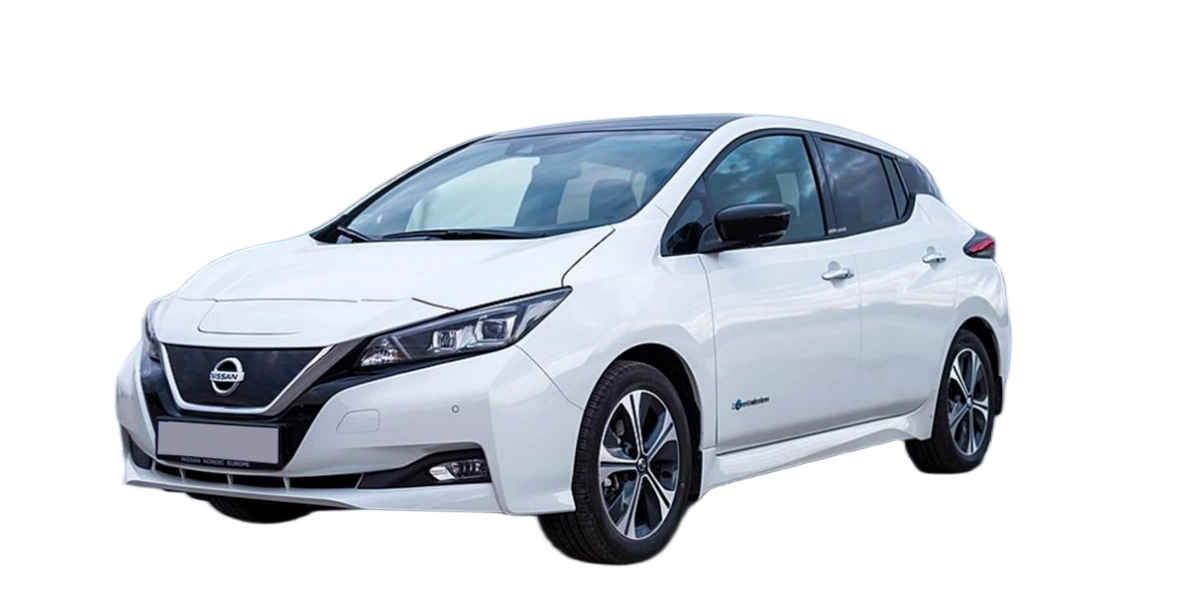
Here is the SEO-optimized article crafted to meet your requirements.
Title: Top DIY New Nissan Leaf Battery Upgrade Resources & Guides 2026
Meta Description: Stop overpaying for OEM batteries. Discover the top DIY resources, compatible models (ZE0, AZE0, ZE1), and expert upgrade guides for your Nissan Leaf.
Top DIY New Nissan Leaf Battery Upgrade Resources
If you are the owner of a Nissan Leaf, you know the struggle is real when the “Turtle Mode” light flickers on, signaling a dying battery. The anxiety of range reduction and the fear of expensive repairs plague every Leaf driver. You have likely been quoted astronomical prices by dealerships—often upwards of $14,000—for a factory replacement. It is a frustrating crossroads: buy a new car or keep dumping money into a refurbished battery that might fail in six months.
There is a third way. As a leading expert in aftermarket EV powertrains, I have seen firsthand how DIY Nissan Leaf battery upgrades are revolutionizing the used EV market. By leveraging high-quality, new-cell aftermarket solutions, you can double your range and restore your vehicle to “like-new” condition for less than half the OEM cost. This guide is your ultimate resource for navigating the upgrade process, ensuring safety, and finding the best components available in 2026.
Why Upgrade? The Case for Aftermarket New-Cell Batteries
Before we dive into the resources, let us address the elephant in the room: Why should you trust an aftermarket battery over a refurbished OEM pack?
Most “budget” replacements on the market are made from recycled cells pulled from other dead batteries. These cells are already degraded, thermally stressed, and on the verge of swelling again. The only true fix is a battery built with brand-new, Grade-A cells.
At CNS Battery, we utilize brand-new CATL (Contemporary Amperex Technology) cells—the same tier-1 manufacturer trusted by global giants. This is not a gamble; it is a calculated restoration of engineering integrity.
Key Benefits of a New-Cell Upgrade:
- Zero Degradation: Start your battery life cycle at 100%, not 50%.
- Safety: Eliminate the risk of fire or swelling associated with used cells.
- Cost Efficiency: Save over 50% compared to Nissan’s list price.
Compatible Models: Is Your Leaf Eligible?
One of the most frequent questions I receive is, “Will this fit my specific year?” The Nissan Leaf lineup has evolved over three primary generations (chassis codes). Fortunately, the aftermarket support for these models is robust.
Here is a quick breakdown of compatible models for a full pack replacement:
| Chassis Code | Model Years (Approx.) | Common KWH Options |
|---|---|---|
| ZE0 | 2011 – 2017 | 40kWh, 62kWh, 68kWh |
| AZE0 | 2018 – 2022 | 40kWh, 62kWh |
| ZE1 | 2021+ (Restyled) | 40kWh, 62kWh |
Expert Tip: Even if you own an older 24kWh ZE0 model, upgrading to a 40kWh or 62kWh pack is often mechanically feasible. However, this requires specific chassis reinforcement kits and BMS (Battery Management System) reprogramming. Always consult a technical expert before ordering mismatched hardware.
Essential DIY Resources for a Safe Installation
Tackling a 400V+ battery replacement is not like changing oil, but it is absolutely achievable for a competent DIYer or a local mechanic with the right resources. To ensure your upgrade goes smoothly, here are the top resources you need to utilize:
1. The VIN Compatibility Check (Do This First!)
Never buy a battery without verifying the connector types and voltage compatibility. Nissan changed wiring harnesses and communication protocols slightly between facelifts.
- Resource: Use a pre-sales consultation service to upload your VIN. A reputable supplier will confirm the exact plug-and-play fitment for your Leaf, ensuring you do not end up with a $7,000 paperweight.
2. Step-by-Step Installation Videos
Seeing is believing. Before you crack open your service manual, watch a professional installation video specific to your Leaf generation.
- Resource: Look for high-definition tutorials that cover the entire process: disconnecting the HV battery, removing the undertray, lifting the old pack, and connecting the new BMS cables. These videos often highlight “gotchas,” like specific torque specs for the mounting bolts or the need for fumigation-free wood pallets during shipping.
3. BMS Programming & Coding Guides
This is where most DIY projects stall. Installing the physical battery is only half the battle. You need to program the Battery Management System (BMS) to communicate with your car’s dashboard.
- Resource: Ensure your supplier offers remote video guidance or detailed PDF manuals for BMS setup. Some require specific dongles or software to clear error codes and initialize the new cell counts.
4. The “Plug-and-Play” Myth vs. Reality
Be wary of suppliers who promise “true plug-and-play.” While the high-voltage connections might match, the 12V signal cables and CAN-BUS communication often require manual configuration.
- Resource: Forums and technical blogs dedicated to Nissan Leaf hacking. However, rely on your vendor’s official documentation over forum rumors for critical safety steps.
The Value Proposition: Why This is the Smart Choice in 2026
You might be wondering if this is just a way to cut corners. As a professional in the EV space, I view this upgrade as sustainable engineering.
By replacing the degraded cells with new, high-density chemistry (often NMC), you are extending the life of a car that still has a perfectly good chassis, suspension, and motor. You are keeping a functional vehicle out of the scrapyard and preventing the environmental cost of manufacturing a brand-new car.
Furthermore, the financial math is undeniable. For the price of a used Leaf with a bad battery, you can buy the car and a new 62kWh pack. This transforms a $4,000 car into a $15,000 equivalent in terms of driving experience.
What to Expect After Your Upgrade
Once you have installed your new battery and programmed the BMS, the transformation is immediate.
- Range: Expect a full charge range of approximately 430km (267 miles) for a 62kWh pack, depending on driving conditions.
- Charging Speed: New cells accept charge at maximum rates, eliminating the slow charging woes of old batteries.
- Warranty Peace of Mind: Unlike a gamble on a used battery, a reputable new-cell pack comes with a solid warranty (such as 2 years / 80,000 km).
Frequently Asked Questions (FAQ)
Q1: Is it safe to install a new battery myself?
A: Safety is paramount. If you are not comfortable working with high-voltage systems, hire a professional. However, if you have mechanical experience and follow the safety protocols (disconnecting the 12V first, wearing insulated gloves), the physical installation is similar to lifting a heavy object. The complexity lies in the BMS programming, which is where vendor support is crucial.
Q2: Will a new aftermarket battery void my car’s remaining warranty?
A: Generally, aftermarket parts do not automatically void warranties. However, it is essential to get a compatibility confirmation based on your VIN. Reputable manufacturers design their packs to mimic the OEM voltage and communication signals perfectly, ensuring no conflict with the vehicle’s other systems.
Q3: How much does a full Nissan Leaf battery upgrade cost?
A: Prices vary based on capacity. You can expect to pay roughly 50% less than the Nissan dealership. For example, a new 62kWh pack typically costs around $7,800 – $8,200 USD, compared to $16,000+ for the OEM version. This includes the cost of new cells, the BMS, and the structural casing.
Q4: What if I run into problems during installation?
A: This is where choosing the right supplier matters. Look for companies that offer lifetime technical support or at least robust pre-sales and post-sales assistance. Many vendors offer video call support to walk you through wiring connections or BMS errors in real-time.
Ready to Restore Your Range?
Don’t let a dead battery sentence your Nissan Leaf to the scrapyard. With the right resources and a high-quality new-cell replacement, you can enjoy thousands of miles of reliable, emission-free driving.
Get Your Free Custom Quote Today
Ensure your upgrade is perfect the first time. Submit your vehicle details for a personalized compatibility check and quote.