Based on the provided web content and your requirements, here is the SEO-optimized article written in English.
🌿 Top BMW i3 Battery Environmental Tips: How to Extend Lifespan & Reduce Waste
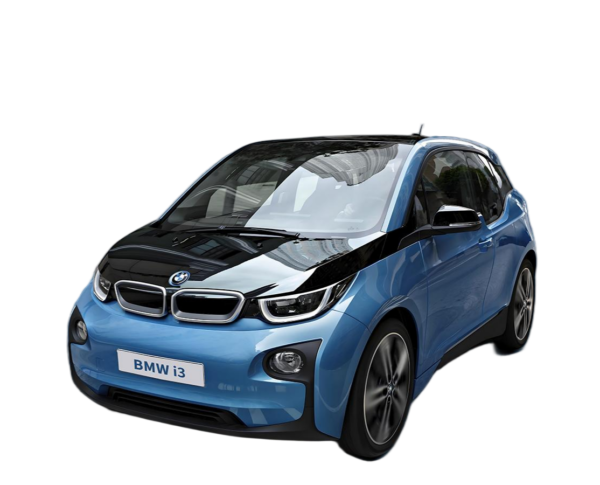
The BMW i3 is a pioneer in sustainable urban mobility. However, as your vehicle ages, the battery inevitably faces degradation. Replacing an EV battery is a significant investment, both financially and environmentally. At CNS BATTERY, we believe that maximizing the lifespan of your BMW i3 battery is the single most effective way to reduce your carbon footprint and save money.
Our mission goes beyond just selling replacement packs; we aim to educate owners on preserving their current assets. Leveraging our 10+ years of technological accumulation and expertise in OEM-compatible solutions, here are our top environmental tips to keep your BMW i3 running green for years to come.
🌡️ 1. Master the Art of Temperature Management
Temperature is the biggest enemy of lithium-ion batteries. Extreme heat accelerates chemical degradation, while freezing cold can reduce performance and cause permanent damage if charged incorrectly.
Avoid “Heat Soak” Parking
Never park your BMW i3 in direct sunlight for extended periods, especially in summer. High ambient temperatures combined with the greenhouse effect inside the car can raise the battery temperature significantly.
- Pro Tip: If possible, park in shaded areas or garages. If your car has preconditioning, use it to cool the battery before plugging in for a fast charge.
Charge Smartly in Winter
Charging a frozen battery can lead to lithium plating, which permanently reduces capacity.
- Pro Tip: Always precondition your battery while plugged in before driving in sub-zero temperatures. If your i3 is not plugged in, avoid fast charging immediately after a cold start.
🔋 2. Optimize Your Charging Habits
How you charge your BMW i3 battery has a direct impact on its chemical health. Unlike gasoline cars, “topping off” is often better for EVs.
The 20%-80% Sweet Spot
While the i3 has a great Battery Management System (BMS), keeping the state of charge (SOC) between 20% and 80% reduces stress on the cells.
- Why it works: Lithium-ion batteries experience higher stress at the extreme ends of their charge curve (0% and 100%). By capping your charge at 80% for daily use, you significantly slow down capacity fade.
Avoid “Topping Up” to 100% Daily
Only charge to 100% when you need the maximum range for a long trip.
- Pro Tip: Use the charge limit feature in your i3’s settings. For daily commuting, setting a limit of 80-90% is ideal for longevity.
⚙️ 3. Utilize Regenerative Braking Effectively
The BMW i3 is famous for its one-pedal driving capability. Using Regenerative Braking isn’t just convenient; it’s an environmental hack.
Reduce Wear on Physical Components
By using the brake paddle (or the “B” mode) to slow down, you convert kinetic energy back into stored electricity. This reduces wear on your brake pads and rotors.
- The Green Impact: Fewer brake pad replacements mean less particulate pollution on the roads and fewer raw materials mined for new brake components.
Smooth Driving = Efficient Charging
Aggressive acceleration and hard braking create heat and waste energy. Drive smoothly to maximize the efficiency of the energy stored in your pack.
🔋 4. The Environmental Case for High-Quality Aftermarket Solutions
Despite your best efforts, batteries do degrade. When the time comes for a replacement, choosing the right supplier is crucial for environmental sustainability.
Why Refurbished is Risky
Many “budget” options on the market are refurbished or repaired units made from discarded cells. These often fail prematurely, leading to a second waste cycle shortly after installation.
- The Problem: A refurbished battery might only last 1-2 years, meaning the environmental cost of mining and manufacturing is effectively doubled.
The CNS BATTERY Standard
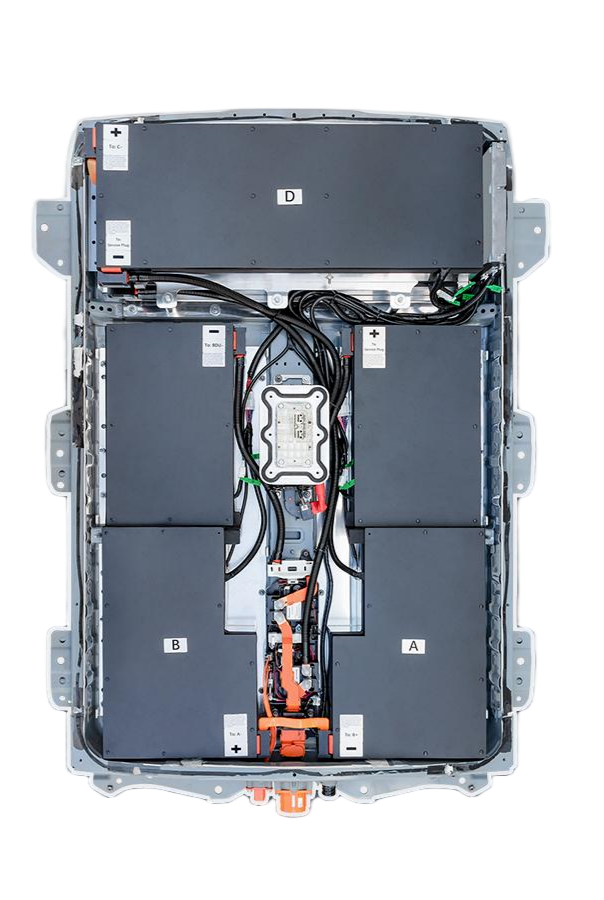
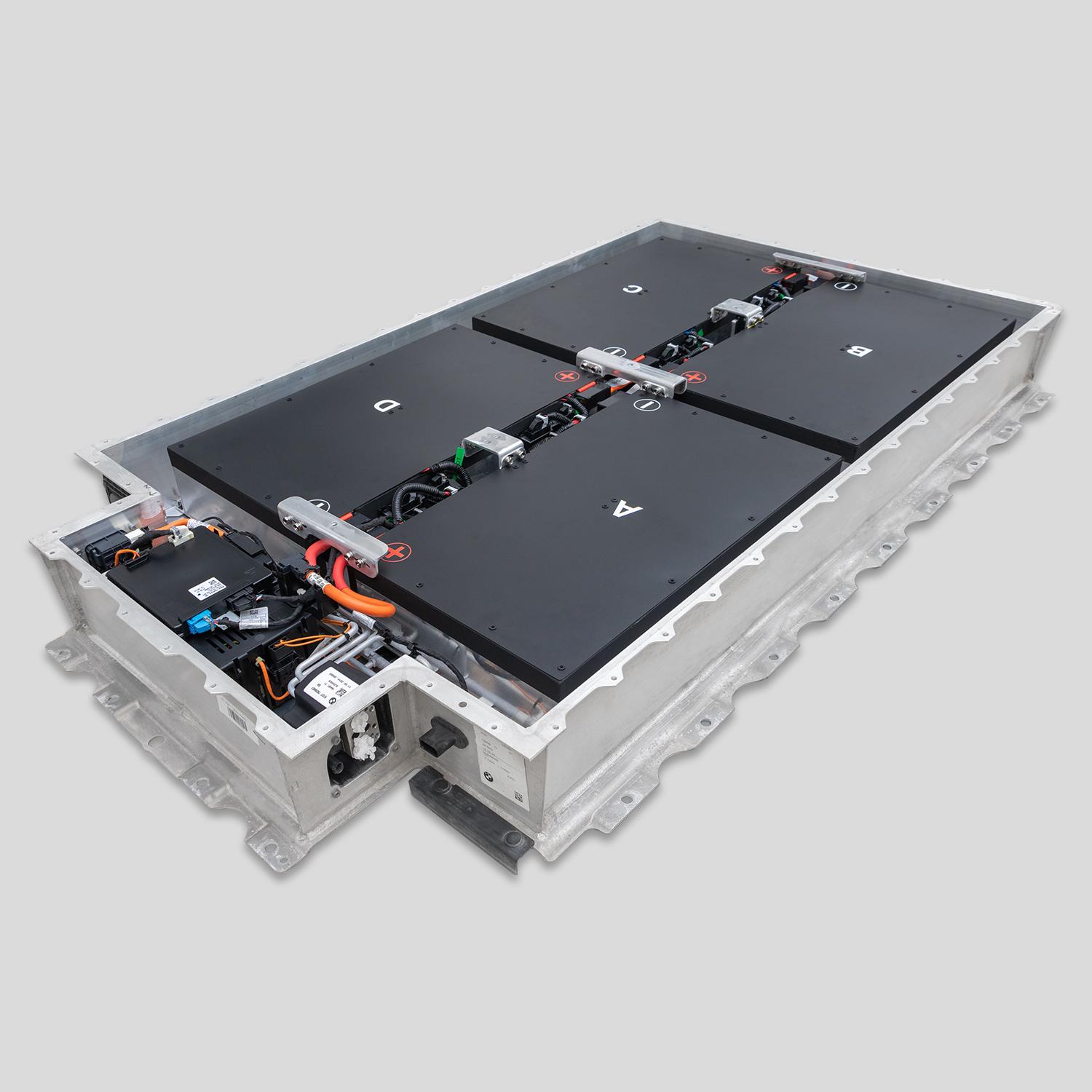
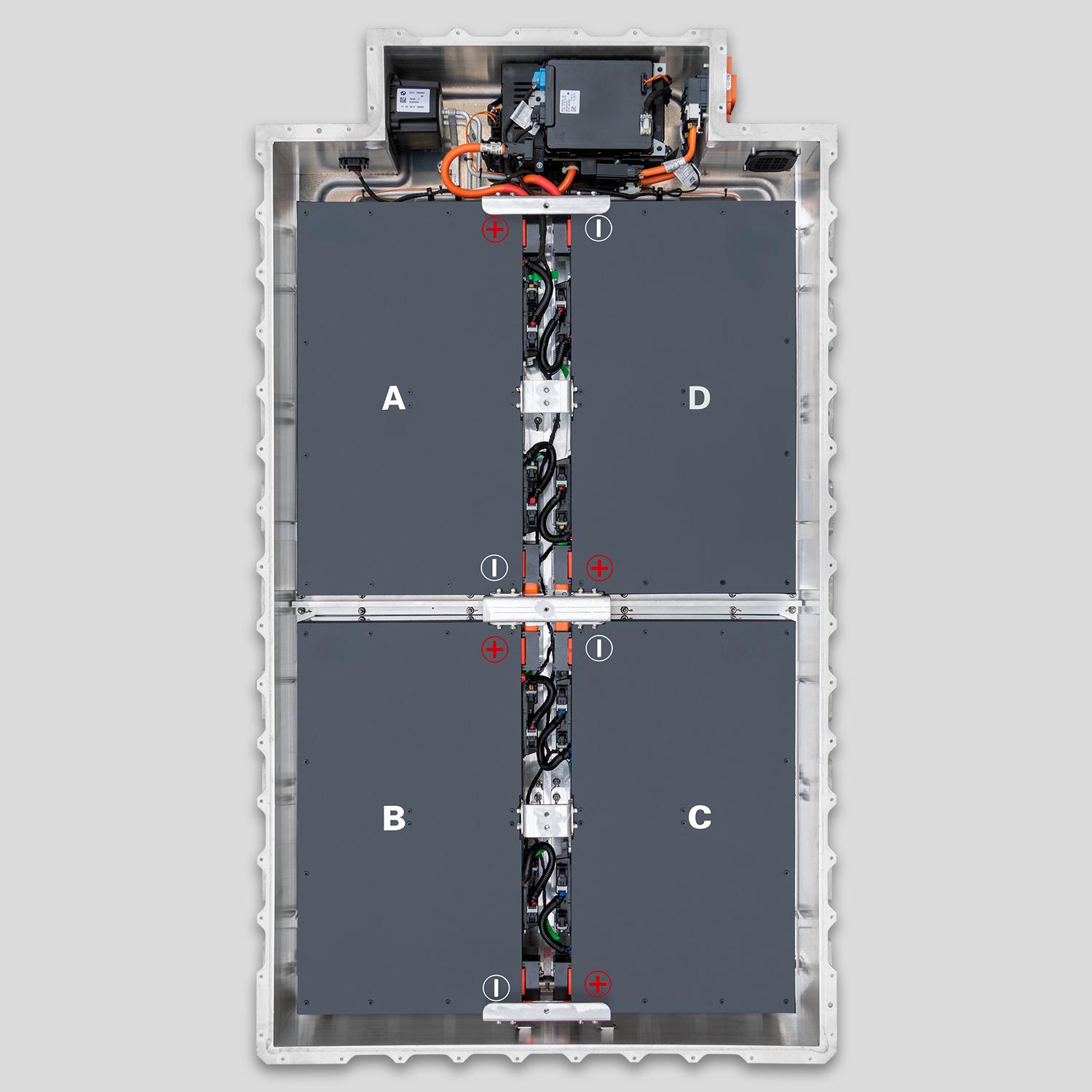
At CNS, we specialize in Original Factory Standard R&D. We use brand-new, premium battery cells (such as those from CATL) to ensure maximum lifespan and safety.
- Our Promise: By using new cells, our replacement packs are designed to last far longer than refurbished alternatives. We back this with an industry-leading 2-year / 80,000 km warranty, ensuring you don’t have to replace the battery again soon.
Expert Insight: “Buying a cheap, used battery might save money today, but it creates more waste tomorrow. Investing in a high-quality, durable solution like CNS BATTERY is the most eco-friendly choice in the long run.” — CNS Technical Expert
🛠️ 5. Maintenance and Remote Support
Regular health checks are vital. Many modern BMW i3 models can report battery health data.
Regular Diagnostics
Use your car’s onboard diagnostics or visit a mechanic to check for error codes. Addressing minor BMS (Battery Management System) issues early can prevent catastrophic failure.
Remote Troubleshooting
Before you decide to replace the entire pack, contact us. Our technical experts often solve “battery not charging” issues or software glitches via remote video guidance, saving you the need for a replacement entirely.
📝 Conclusion: Drive Green, Drive Long
Protecting your BMW i3 battery is a commitment to the environment. By managing temperatures, optimizing your charge limits, and driving smoothly, you can extend the life of your current pack.
However, when the time for a replacement inevitably arrives, choosing a durable, high-performance solution is key. CNS BATTERY offers the perfect balance of affordability and longevity. We provide Original Factory-grade precise adaptation solutions for the BMW i3, ensuring you get a reliable, long-lasting powertrain that won’t end up in a landfill prematurely.
Don’t settle for risky refurbished batteries. Choose a solution that is built to last and backed by a warranty that protects your investment.
❓ BMW i3 Battery FAQs
1. What is the best charging strategy for my BMW i3 to preserve battery health?
The optimal strategy is to keep your battery within the 20% to 80% state of charge for daily driving. Avoid letting it drop to 0% regularly or charging to 100% unless you need the maximum range for a long trip. This “sweet spot” minimizes chemical stress on the lithium-ion cells.
2. Are refurbished BMW i3 batteries bad for the environment?
While they seem eco-friendly initially, refurbished batteries made from old or degraded cells often have a very short lifespan (sometimes less than a year). This leads to double the waste, as the battery ends up in a landfill much sooner, requiring a second replacement. A high-quality new battery is often the greener choice long-term.
3. How does CNS BATTERY ensure their packs are environmentally responsible?
We use brand-new, premium cells (like CATL) instead of recycled junk. This ensures a long operational life (backed by our 2-year warranty), reducing the frequency of replacements. Additionally, our precise OEM-compatible design ensures zero failure rates, meaning fewer returns and less shipping waste.
4. Can I install a new BMW i3 battery myself?
Yes, many of our customers successfully perform DIY installations. We provide step-by-step installation videos and even offer free video call guidance from our engineers. However, if you are not comfortable working with high-voltage systems, we recommend using a certified technician.
5. What should I do if my BMW i3 battery is not charging?
Before assuming the battery is dead, try a reset or check the charging port for debris. Often, the issue is with the BMS software or a simple connection. Contact our technical support team; we can often troubleshoot the issue remotely and save you the cost of a replacement.
Ready to upgrade your driving experience with a reliable, long-lasting solution? Get a Free Custom Quote for your BMW i3 today.