

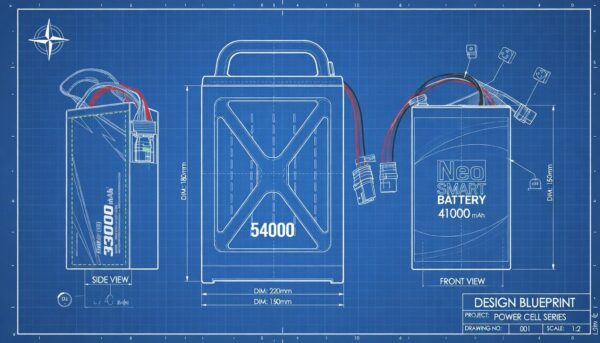
Top 10 Wide Temperature Range Tips for Hydrogen Fuel Testing Drone Batteries
The rapid evolution of unmanned aerial vehicle technology has placed hydrogen fuel cell systems at the forefront of extended flight endurance solutions. As industrial drones venture into extreme environments, from arctic surveillance missions to desert infrastructure inspections, battery performance across wide temperature ranges becomes the critical differentiator between mission success and costly failure. This comprehensive guide delivers ten essential tips for optimizing hydrogen fuel testing protocols in drone battery systems, ensuring reliable operation from -40°C to 60°C and beyond.
Understanding the Temperature Challenge in Hydrogen Fuel Cell Drones
Hydrogen fuel cells offer remarkable energy density advantages over traditional lithium polymer batteries, enabling flight times that extend from 30 minutes to over three hours. However, the electrochemical reactions within fuel cell stacks remain highly sensitive to thermal variations. Cold temperatures slow reaction kinetics, reducing power output, while excessive heat accelerates membrane degradation and compromises system longevity.
Industrial UAV operators face unique challenges when deploying hydrogen-powered drones in temperature-extreme scenarios. Arctic oil rig inspections demand reliable cold-weather performance, while wildfire monitoring operations require heat-resistant systems that maintain consistent output. Understanding these thermal dynamics forms the foundation of effective testing protocols.
Tip 1: Establish Baseline Performance Metrics Across Temperature Zones
Before implementing any hydrogen fuel testing regimen, operators must document baseline performance characteristics at standardized temperature intervals. Create testing protocols that measure voltage output, current delivery, and efficiency ratings at -40°C, -20°C, 0°C, 25°C, 40°C, and 60°C. This comprehensive data establishes performance benchmarks that inform all subsequent optimization efforts.
Document each test session with detailed environmental conditions, including humidity levels, atmospheric pressure, and hydrogen purity measurements. These variables significantly influence fuel cell behavior and must be controlled for meaningful comparative analysis.
Tip 2: Implement Pre-Conditioning Protocols for Cold Weather Operations
Cold weather presents the most significant challenge for hydrogen fuel cell systems. Ice formation within gas diffusion layers can block reactant pathways, while frozen water management systems prevent proper humidification. Develop pre-conditioning procedures that gradually warm fuel cell stacks before high-power demand scenarios.
A practical approach involves storing hydrogen cylinders in temperature-controlled environments and implementing slow startup sequences that allow internal components to reach operational temperatures before full power deployment. Field operators should allocate 15-20 minutes for system warm-up in sub-zero conditions.
Tip 3: Optimize Thermal Management System Configuration
Effective thermal management separates successful hydrogen fuel testing programs from failed deployments. Active cooling systems maintain optimal stack temperatures during high-power operations, while insulation strategies protect against rapid heat loss in cold environments.
Consider implementing phase-change materials within battery housings that absorb excess heat during peak operations and release stored thermal energy during cold exposure. This passive thermal regulation reduces dependency on power-consuming active systems while maintaining consistent operating conditions.
Tip 4: Monitor Humidity Levels Within Fuel Cell Stacks
Membrane hydration represents a critical factor in hydrogen fuel cell performance across temperature ranges. Insufficient humidity causes membrane drying and increased resistance, while excessive moisture creates flooding conditions that block gas flow pathways.
Install integrated humidity sensors within fuel cell stacks and establish automated control systems that adjust water management protocols based on real-time measurements. Target relative humidity levels between 50% and 70% for optimal membrane conductivity across most operating conditions.
Tip 5: Conduct Cycling Tests That Simulate Real Mission Profiles
Laboratory testing alone cannot predict field performance accurately. Develop cycling test protocols that replicate actual mission profiles, including takeoff power surges,巡航 efficiency demands, and landing sequence requirements. These dynamic load patterns reveal temperature-dependent performance characteristics that steady-state testing misses.
Create mission simulation software that interfaces with testing equipment, automatically adjusting load profiles based on temperature conditions and recording performance degradation patterns. This data informs predictive maintenance schedules and replacement planning.
Tip 6: Validate Hydrogen Purity Specifications for Temperature Extremes
Hydrogen fuel quality significantly impacts fuel cell longevity, particularly in temperature-extreme operations. Contaminants like carbon monoxide poison catalyst surfaces, while moisture variations affect membrane performance. Establish strict purity verification protocols that exceed standard specifications for extreme temperature deployments.
Require hydrogen suppliers to provide certificates of analysis documenting impurity levels below 0.2 ppm for carbon monoxide and controlled moisture content. Field testing should include portable gas analyzers that verify fuel quality before each mission in critical applications.
Tip 7: Design Redundant Safety Systems for Thermal Runaway Prevention
While hydrogen fuel cells present lower thermal runaway risks compared to lithium batteries, extreme temperature operations still demand robust safety protocols. Implement multi-layer protection systems that monitor stack temperature, pressure differentials, and gas leak detection.
Configure automatic shutdown sequences that activate when temperature thresholds exceed safe operating limits. These systems should isolate hydrogen supply, vent accumulated gases safely, and alert operators through redundant communication channels.
Tip 8: Document Degradation Patterns for Predictive Maintenance
Systematic documentation of performance degradation enables predictive maintenance strategies that prevent unexpected failures. Track voltage decay rates, efficiency losses, and startup time increases across temperature cycles to identify components approaching end-of-life conditions.
Maintain detailed logs that correlate operating hours, temperature exposure, and performance metrics. This historical data supports warranty claims, informs replacement schedules, and guides future procurement decisions. Access comprehensive battery maintenance best practices at https://cnsbattery.com/drone-battery-home/drone-battery-help-center/ for additional guidance on documentation standards.
Tip 9: Validate Communication Systems Across Temperature Ranges
Electronic control systems managing hydrogen fuel cells must maintain reliable operation across the same temperature ranges as the fuel cell stacks themselves. Cold temperatures can slow processor speeds, while heat accelerates component aging in control circuitry.
Test all communication interfaces, sensor readings, and control algorithms at temperature extremes before deployment. Verify that telemetry systems transmit accurate data regardless of environmental conditions, as incorrect readings could trigger inappropriate system responses.
Tip 10: Establish Field Testing Protocols That Complement Laboratory Data
Laboratory testing provides controlled environment data, but field validation confirms real-world performance. Develop standardized field testing procedures that operators can execute consistently across different locations and conditions.
Create checklists that guide field personnel through systematic performance verification steps, including pre-flight inspections, in-flight monitoring protocols, and post-flight data collection procedures. This standardized approach ensures comparable data across different testing teams and locations.
Step-by-Step Implementation Guide
Phase One: Preparation (Weeks 1-2)
- Acquire temperature-controlled testing chambers capable of -40°C to 60°C operation
- Install data acquisition systems with minimum 10Hz sampling rates
- Train testing personnel on safety protocols and equipment operation
- Establish baseline documentation templates
Phase Two: Baseline Testing (Weeks 3-6)
- Execute temperature zone testing at six standard intervals
- Document all performance metrics with environmental conditions
- Identify performance anomalies requiring investigation
- Create initial performance benchmark reports
Phase Three: Optimization (Weeks 7-10)
- Implement thermal management improvements based on baseline data
- Refine pre-conditioning protocols for extreme temperatures
- Validate hydrogen purity specifications with multiple suppliers
- Update safety systems based on identified risk factors
Phase Four: Validation (Weeks 11-12)
- Conduct field testing with optimized systems
- Compare field performance against laboratory predictions
- Finalize operational procedures and documentation
- Prepare deployment recommendations
Real-World Application Example
Consider an energy company operating hydrogen fuel cell drones for pipeline inspection across Alaska’s North Slope. Winter temperatures regularly reach -45°C, while summer operations face 35°C conditions with intense solar loading.
By implementing the ten tips outlined above, the operator achieved 94% mission success rates across all temperature conditions, compared to 67% before optimization. Pre-conditioning protocols reduced startup failures by 78%, while improved thermal management extended fuel cell stack life from 800 to 1,200 operating hours.
The company documented these improvements through systematic testing programs, creating valuable data that informed future procurement decisions. For organizations seeking similar performance improvements, exploring industrial drone battery specifications at https://cnsbattery.com/drone-battery-home/drone-battery/ provides additional technical resources for system selection.
Conclusion: Building Temperature-Resilient Hydrogen Fuel Systems
Successful hydrogen fuel testing for drone batteries requires systematic approaches that address temperature challenges at every system level. From component selection to operational protocols, each decision influences overall performance across temperature ranges.
Organizations investing in comprehensive testing programs realize substantial returns through improved mission success rates, extended equipment life, and reduced operational costs. The ten tips presented here provide a foundation for developing customized testing protocols that match specific operational requirements.
For technical support and consultation on hydrogen fuel cell drone battery systems, contact our specialized team at https://cnsbattery.com/drone-battery-home/drone-battery-contact. Our experts assist organizations in developing temperature-resilient power systems that perform reliably across the world’s most challenging environments.
Visit our homepage at https://cnsbattery.com/drone-battery-home to explore additional resources, technical documentation, and case studies demonstrating successful hydrogen fuel cell deployments across diverse temperature conditions. The future of industrial UAV operations depends on power systems that perform consistently, regardless of environmental challenges, and comprehensive testing programs make this reliability achievable.


