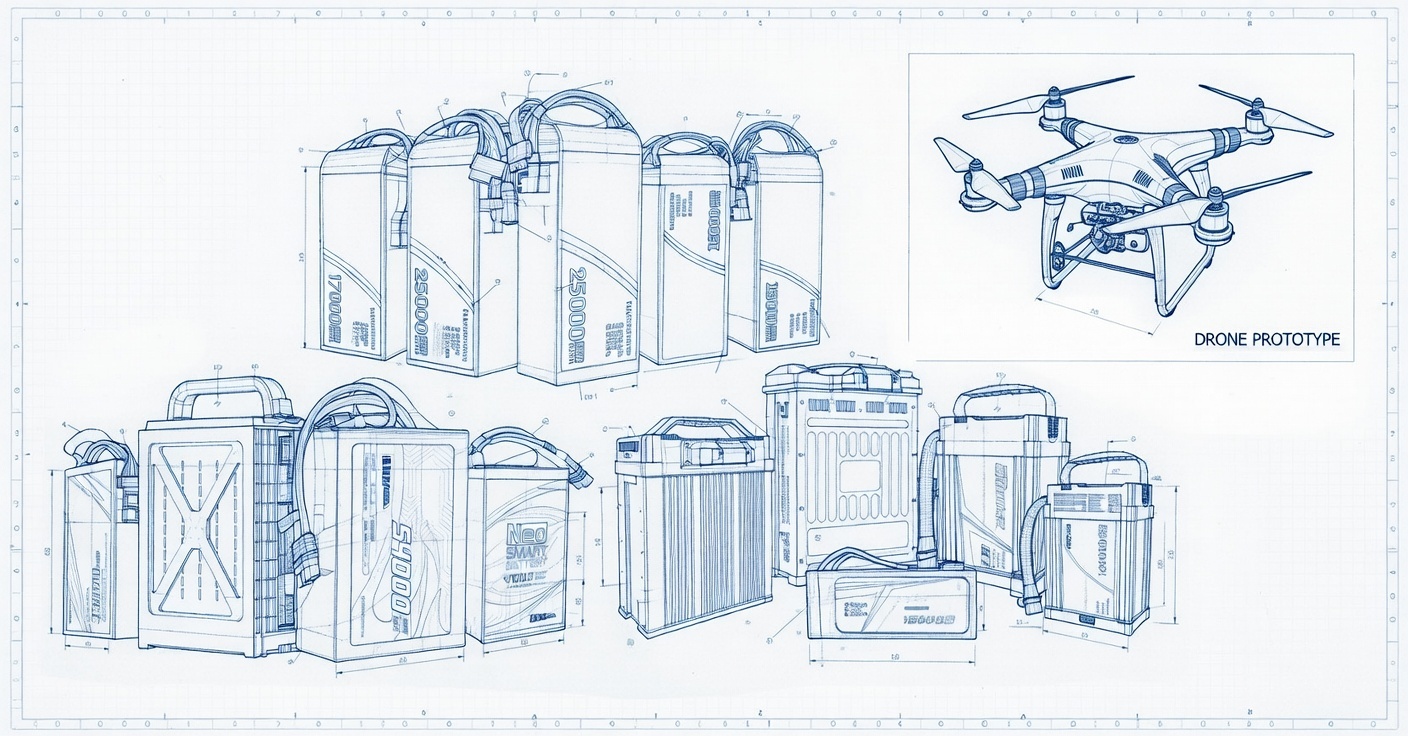
In the high-stakes world of cinematic production and aerial photography, every second counts, and every dollar spent must justify its return. For fleet managers and production houses purchasing drone batteries in bulk, the initial price tag is merely the entry fee. The real financial picture emerges over the lifecycle of the equipment. Understanding the Total Cost of Ownership (TCO) is critical for optimizing budgets and ensuring operational continuity. This guide is designed specifically for大宗采购 users (bulk purchase users) who need to look beyond the invoice price to uncover hidden costs and maximize long-term value. By mastering TCO, you can reduce unexpected downtime, extend fleet longevity, and secure a competitive edge in the bidding process for major contracts.
Why TCO Matters More Than Sticker Price
When acquiring drone batteries for a professional team, the temptation to choose the lowest upfront cost is strong. However, a cheaper battery often entails higher failure rates, shorter cycle life, and increased safety risks. For a film crew shooting on location, a battery failure isn’t just an inconvenience; it’s a halted production costing thousands per minute. TCO analysis incorporates acquisition, operation, maintenance, and disposal costs. For bulk buyers, even a 10% reduction in TCO can translate to significant savings over a fiscal year, allowing resources to be redirected towards camera gear or talent.
Top 10 TCO Tips for Drone Battery Fleets
To help you navigate the complexities of fleet management, here are ten actionable tips to minimize your Total Cost of Ownership.
1. Evaluate Cell Chemistry Carefully
Not all lithium batteries are created equal. While LiPo (Lithium Polymer) offers high discharge rates suitable for aggressive flight maneuvers, Li-ion (Lithium-ion) cells often provide higher energy density and longer cycle life for endurance shots. Selecting the right chemistry for your specific drone model and shooting style prevents premature degradation.
2. Analyze Cycle Life Expectancy
A battery rated for 500 cycles is fundamentally cheaper than one rated for 200 cycles, even if the upfront cost is double. Calculate the cost per cycle. High-quality cells maintain capacity longer, reducing the frequency of replacement purchases.
3. Account for Charging Infrastructure
Fast chargers generate heat, which degrades batteries faster. Invest in smart charging hubs that balance cells accurately and manage temperature. The cost of premium chargers is offset by the extended life of the batteries they serve.
4. Factor in Storage and Transportation Compliance
Shipping lithium batteries involves strict regulatory compliance (IATA/UN38.3). Non-compliant packaging can lead to fines or seized shipments. Budget for certified storage cases and proper labeling to avoid logistical hidden costs.
5. Implement Maintenance and Monitoring Software
Use battery management systems (BMS) that track health metrics. Proactive monitoring allows you to retire batteries before they fail mid-flight, preventing costly crashes and data loss.
6. Scrutinize Warranty and Support Terms
A comprehensive warranty covers more than just defects; it should cover capacity retention guarantees. Vendor support responsiveness is crucial during production crunches. A slightly higher price for better support often lowers TCO by reducing downtime.
7. Plan for Disposal and Recycling Fees
End-of-life battery disposal is regulated and costly. Partner with suppliers who offer recycling programs. Factoring these fees into your initial budget prevents surprise expenses later.
8. Calculate Downtime Costs
Availability is key. If a battery batch has a high failure rate, the cost of renting replacements or delaying shoots skyrockets. Reliability is a direct component of TCO.
9. Avoid Ecosystem Lock-in
Proprietary batteries can trap you into a single vendor’s pricing structure. Where possible, choose standard form factors or vendors who offer compatibility across multiple drone generations to future-proof your investment.
10. Leverage Bulk Purchase Negotiation
Volume buying should yield more than just a discount. Negotiate for extended warranties, free replacement units, or priority shipping. These value-adds significantly lower the effective TCO.
Step-by-Step Guide to Calculating Drone Battery TCO
Calculating TCO doesn’t have to be complex. Follow this streamlined process to evaluate your fleet’s true cost.
- Identify Acquisition Costs: Sum the purchase price of all batteries, chargers, and cases. Include taxes and shipping.
- Estimate Operational Costs: Calculate electricity costs for charging cycles over a year. Include labor costs for battery management.
- Project Maintenance Costs: Estimate the cost of replacements based on cycle life. Add costs for storage facilities and safety equipment.
- Include End-of-Life Costs: Add recycling fees or residual value if batteries can be sold second-hand.
- Factor in Risk: Assign a monetary value to potential downtime based on historical failure rates of the chosen brand.
- Sum and Divide: Add all costs over the expected lifespan (e.g., 3 years) and divide by the number of successful flight hours to get a cost-per-hour metric.
Comparative Analysis: OEM vs. Third-Party Batteries
A common dilemma for production teams is choosing between Original Equipment Manufacturer (OEM) batteries and reputable third-party options.
| Feature | OEM Batteries | High-Quality Third-Party |
|---|---|---|
| Upfront Cost | High | Moderate |
| Compatibility | Guaranteed | Variable (Requires Testing) |
| Warranty Support | Comprehensive | Often Limited |
| Cycle Life | Standardized | Can Exceed OEM |
| TCO Impact | Higher Initial, Predictable | Lower Initial, Variable Risk |
For critical missions where failure is not an option, OEM batteries often present a lower risk profile. However, for B-roll or secondary cameras, high-quality third-party drone batteries can offer a superior TCO if vetted correctly. The key is rigorous testing before full deployment.
Frequently Asked Questions (FAQ)
Q: How many cycles should a professional drone battery last?
A: Professional-grade LiPo batteries should maintain 80% capacity for at least 300-500 cycles under proper care. Li-ion variants may exceed 800 cycles.
Q: Does storing batteries at full charge affect TCO?
A: Yes. Storing batteries at 100% charge accelerates chemical degradation, reducing lifespan. Always store at 50-60% charge to maximize cycle life and lower replacement costs.
Q: Can I mix old and new batteries in a fleet?
A: It is not recommended. Discharge rates vary with age, leading to imbalance and potential failure. Rotate fleets in batches to maintain consistency.
Q: What is the biggest hidden cost in drone battery ownership?
A: Downtime. A single failed battery during a crucial shot can cost more than the entire battery fleet. Reliability is the ultimate cost-saver.
Conclusion and Next Steps
Optimizing the Total Cost of Ownership for film and aerial photography teams drone batteries is not just about cutting costs; it’s about investing in reliability and efficiency. By applying these ten tips and rigorously calculating your fleet’s lifecycle costs, you ensure that your production stays on schedule and within budget.
Don’t let hidden costs ground your creativity. For personalized advice on selecting the right battery fleet for your specific production needs, or to discuss bulk procurement strategies that lower your TCO, reach out to our expert team. We specialize in high-performance power solutions tailored for the demanding environment of cinematic production.
Contact us today for a customized TCO analysis: Drone Battery Contact
For more insights on maintaining battery health, explore our guide on Smart Charging Practices or learn about Safety Compliance Standards. Empower your fleet with the knowledge to fly longer and spend smarter.