Top 10 Technical Compatibility Tips for Plant Protection Drone Batteries
In the high-stakes world of agricultural aviation, every second counts during spraying seasons. For fleet managers and bulk procurement officers, the decision to invest in plant protection drone batteries is not merely about purchasing power sources; it is about securing operational continuity. When managing a fleet of agricultural UAVs, incompatible batteries can lead to catastrophic downtime, safety hazards, and significant financial loss. This guide is designed specifically for large-scale buyers who need to ensure that every cell in their inventory integrates seamlessly with their existing hardware. By mastering technical compatibility, you reduce maintenance costs, extend fleet lifespan, and maximize the return on investment for every acre sprayed.
The Critical Importance of Battery Compatibility
Plant protection drones operate in harsh environments, dealing with chemical exposure, humidity, and rapid discharge cycles. Unlike consumer photography drones, agricultural UAVs demand high-current discharge and robust battery management systems (BMS). When procuring batteries in bulk, the margin for error is zero. A mismatched battery can fry an electronic speed controller (ESC) or cause mid-air failure. Understanding the technical nuances ensures that your procurement strategy aligns with engineering realities.
Top 10 Technical Compatibility Tips for Plant Protection Drone Batteries
To help you navigate the complex landscape of UAV power systems, we have compiled the definitive list of compatibility checks. These tips are derived from industry standards and field testing data.
1. Voltage and Cell Count Matching
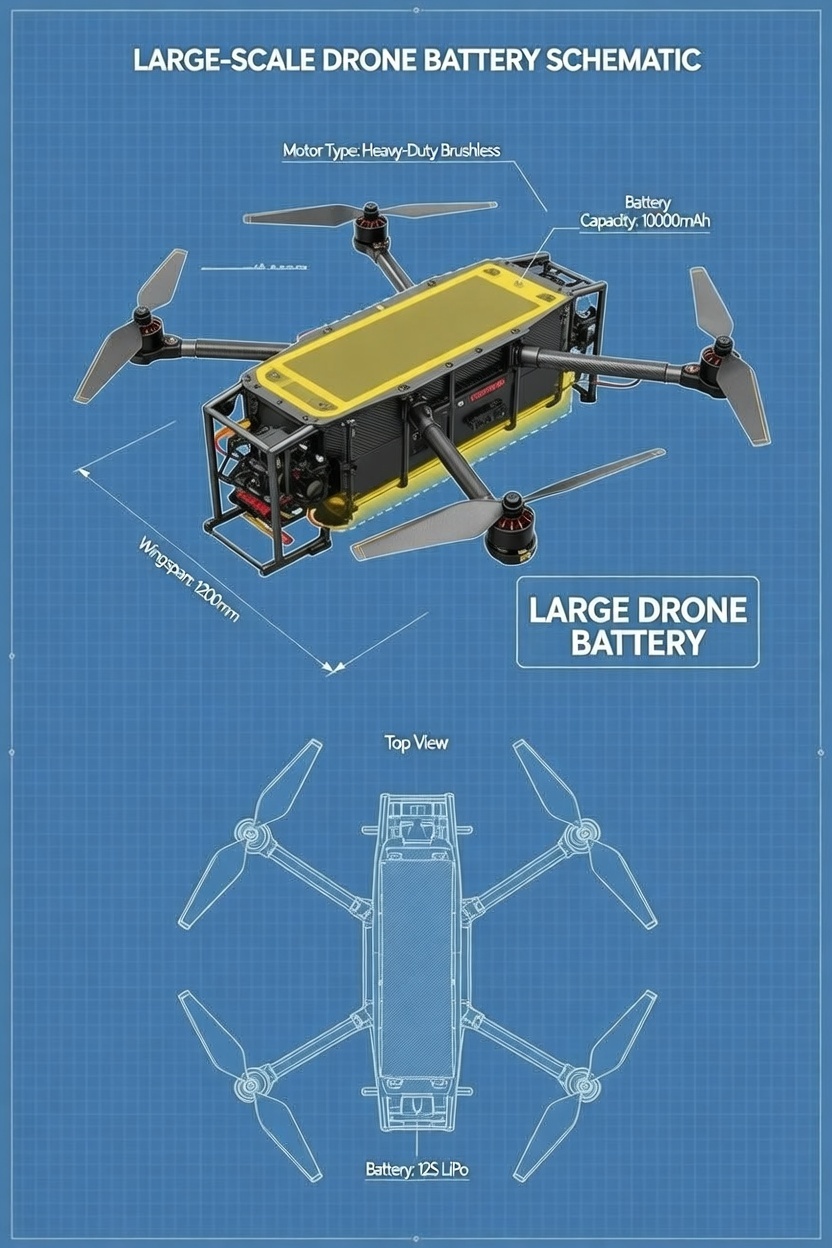
The fundamental rule of lithium polymer (LiPo) and lithium-ion battery compatibility is voltage alignment. Agricultural drones typically operate on 6S (22.2V), 12S (44.4V), or even higher configurations. Ensure the nominal voltage matches the drone’s power distribution board exactly. A deviation of even one cell can prevent the aircraft from arming or damage the power module.
2. Discharge Rate (C-Rating) Alignment
Plant protection drones require bursts of power during takeoff and when carrying heavy liquid loads. Check the continuous discharge rate (C-rating). If your drone requires 10C and the battery offers only 5C, the battery will overheat and swell. Always choose a battery with a C-rating 20% higher than the manufacturer’s minimum recommendation to ensure headroom during peak load.
3. Connector Types and Polarity
Physical connectivity is often overlooked. XT90, AS150, or proprietary connectors must match perfectly. More importantly, verify polarity. Reverse polarity protection is not universal across all drone models. A mismatched connector can lead to short circuits upon connection. For bulk orders, standardizing connector types across the fleet simplifies logistics and reduces adapter risks.
4. BMS Communication Protocols
Modern smart batteries communicate with the flight controller via CAN bus or UART protocols. If the Battery Management System (BMS) cannot “talk” to the drone, the aircraft may refuse to fly or display incorrect battery percentage data. Verify that the communication protocol matches the drone’s firmware requirements, especially for models that rely on smart battery data for intelligent return-to-home functions.
5. Physical Dimensions and Weight Distribution
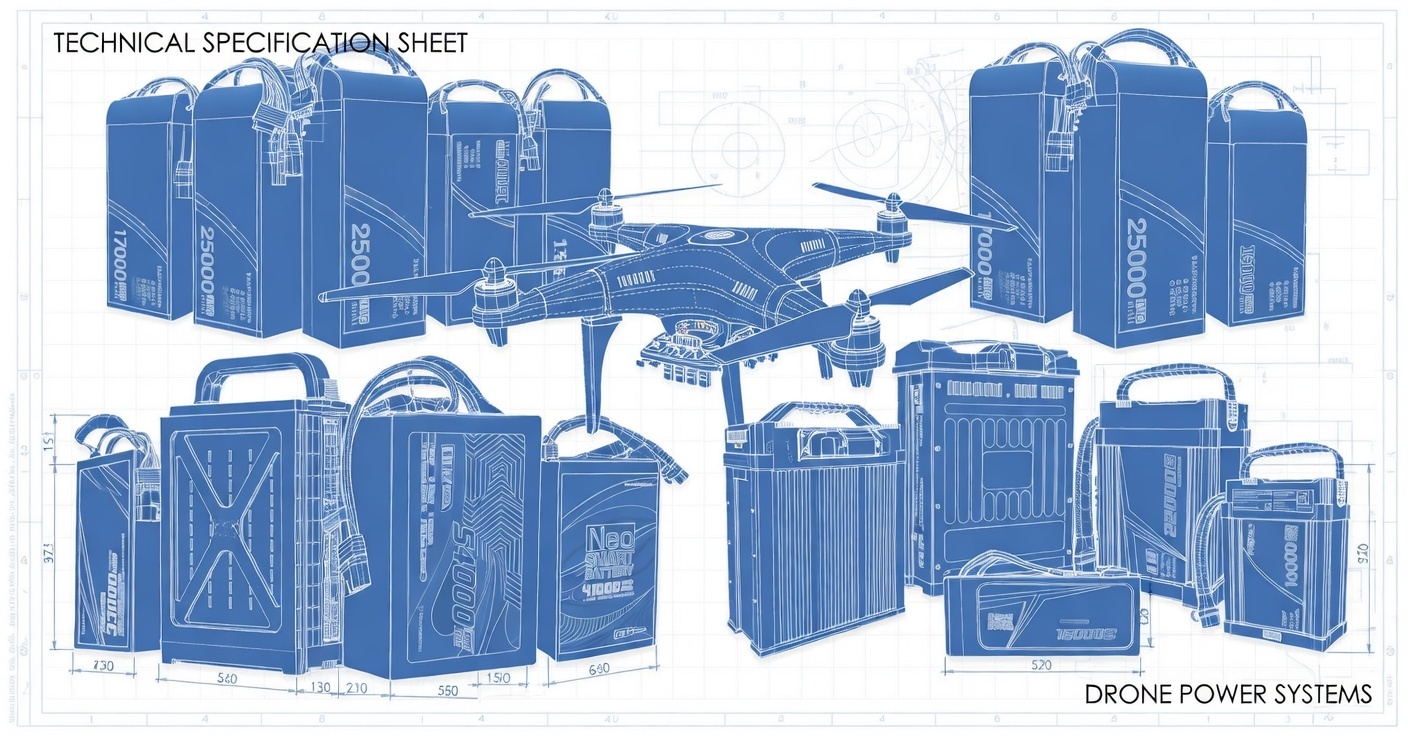
Agricultural drones are balanced precisely. A battery that is too long, wide, or heavy can shift the center of gravity, affecting flight stability and control responsiveness. Check the dimensional tolerances provided by the drone manufacturer. Even a few millimeters can prevent the battery tray from locking securely, posing a risk of the battery falling during vigorous maneuvering.
6. Charging Cycle Compatibility
Bulk users often employ multi-bay chargers. Ensure the battery chemistry (LiPo vs. Li-ion High Voltage) is compatible with your charging infrastructure. Mixing chemistries can lead to improper charging curves, reducing cycle life or causing thermal runaway. Standardizing on a specific chemistry across your procurement batch simplifies charging logistics.
7. Temperature Tolerance Ranges
Field operations occur in varying climates. Some batteries are optimized for tropical heat, while others perform better in cooler mornings. Check the operating temperature range specified in the battery datasheet. Using a battery outside its thermal limits can trigger BMS shutdowns mid-flight. For diverse geographic operations, select batteries with wide temperature tolerance.
8. Smart Battery Data Integration
For fleet management, data is key. Compatible batteries should provide accurate cycle count, health status, and error logs. Ensure the battery’s data output is readable by your fleet management software. This integration allows for predictive maintenance, helping you replace batteries before they fail during critical spraying windows.
9. Warranty and Cycle Life Expectations
Technical compatibility also extends to longevity expectations. Agricultural batteries typically last between 300 to 500 cycles depending on usage. When procuring in bulk, verify the warranty terms regarding cycle degradation. A battery that drops below 80% capacity after 100 cycles is not compatible with commercial operations, regardless of physical fit.
10. Firmware Update Support
Drone technology evolves rapidly. Ensure the battery manufacturer supports firmware updates for the BMS. Outdated battery firmware can cause compatibility issues with newer drone firmware versions. Choose suppliers who provide ongoing software support to maintain compatibility over the lifespan of your fleet.
Step-by-Step Compatibility Check Guide
Implementing these tips requires a structured approach. Follow this workflow before finalizing any bulk purchase:
- Audit Existing Fleet: Document the exact model, voltage, and connector types of your current drones.
- Request Sample Units: Never commit to a bulk order without testing samples. Perform load tests under simulated field conditions.
- Verify BMS Handshake: Connect the sample battery and check if the ground control station recognizes all telemetry data.
- Conduct Stress Testing: Fly the drone with maximum payload until the battery reaches low voltage warning. Monitor temperature and voltage sag.
- Inspect Physical Fit: Ensure the battery locks securely and does not interfere with spray nozzles or radar modules.
- Review Documentation: Cross-reference the battery spec sheet with the drone user manual.
- Finalize Procurement: Once the sample passes all tests, negotiate bulk pricing and warranty terms.
Comparative Analysis: OEM vs. Third-Party Compatible Batteries
One of the most common dilemmas for procurement officers is choosing between Original Equipment Manufacturer (OEM) batteries and third-party compatible options.
| Feature | OEM Batteries | Third-Party Compatible Batteries |
|---|---|---|
| Cost | High | Moderate to Low |
| Compatibility | Guaranteed | Requires Verification |
| Warranty Support | Direct from Drone Maker | Dependent on Battery Supplier |
| Performance | Optimized for Specific Model | Varies by Manufacturer |
| Availability | Sometimes Limited | Often Readily Available |
While OEM batteries offer peace of mind, high-quality third-party options can provide significant cost savings for bulk buyers without sacrificing performance. The key lies in rigorous vetting using the top 10 technical compatibility tips outlined above. If a third-party supplier can match the discharge rates, BMS protocols, and physical specs of the OEM unit, they become a viable strategic partner for scaling operations.
Frequently Asked Questions
Q: Can I use a higher capacity battery than recommended?
A: Generally, yes, provided the voltage matches and the weight does not exceed the drone’s maximum takeoff weight. However, a heavier battery may reduce agility and increase wear on motors.
Q: How do I know if the BMS is compatible?
A: Connect the battery to the drone and check the ground control software. If the battery percentage is displayed accurately and no error codes appear, the BMS communication is likely compatible.
Q: Is it safe to mix old and new batteries in a fleet?
A: It is not recommended. Older batteries have higher internal resistance, which can lead to uneven discharge rates if chargers are shared, and inconsistent flight times across the fleet.
Q: What is the biggest risk of incompatible batteries?
A: The biggest risk is thermal runaway or mid-air power loss. Incompatible discharge rates can cause batteries to overheat, while voltage mismatches can damage electronic components permanently.
Q: How often should compatibility be re-verified?
A: Whenever you update drone firmware or purchase a new batch of batteries. Firmware updates can sometimes change communication protocols or voltage cutoffs.
Conclusion and Next Steps
Ensuring the technical compatibility of plant protection drone batteries is a critical component of successful agricultural operations. By adhering to these top 10 tips, bulk procurement users can safeguard their investments, enhance flight safety, and optimize operational efficiency. The difference between a successful harvest season and a grounded fleet often comes down to the power source.
Do not leave your fleet’s performance to chance. If you have specific questions about battery specifications or need assistance verifying compatibility for your unique drone models, our team of experts is ready to assist. We specialize in providing high-performance power solutions tailored for agricultural aviation.
For personalized consultation regarding your fleet’s power needs, please reach out to us directly at Contact Us.
To learn more about our core offerings, visit our Home page.
Explore More Resources:
Investing in the right battery technology ensures that your drones spend more time in the air and less time on the ground. Make compatibility your priority today.