Top 10 Technical Compatibility Tips for Plant Protection Drone Batteries
Plant protection drones have revolutionized modern agriculture, enabling farmers to cover vast fields with precision spraying capabilities. However, one critical component often overlooked is the battery system. Battery compatibility issues can lead to reduced flight time, equipment damage, or even safety hazards. This comprehensive guide addresses the most common battery compatibility challenges and provides actionable solutions to maximize your drone’s performance.
Diagnosing Battery Compatibility Issues
Before implementing solutions, it’s essential to identify potential compatibility problems. Most plant protection drone operators encounter these warning signs:
Voltage Mismatch Symptoms: When your drone displays inconsistent power readings or shuts down unexpectedly during operation, voltage incompatibility is often the culprit. Agricultural drones typically operate on specific voltage ranges (22.2V to 52.8V depending on the model), and using batteries outside these parameters can trigger protection mechanisms.
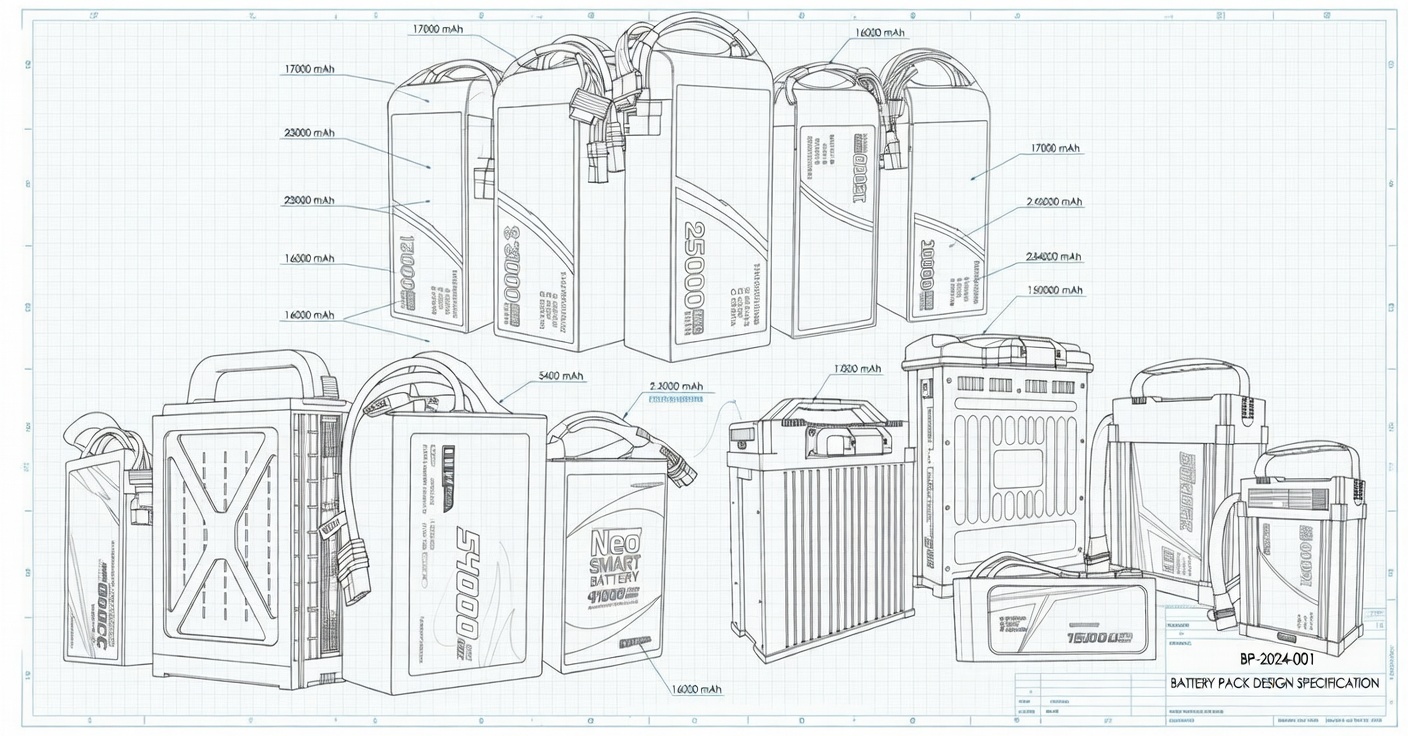
Connector Configuration Problems: Physical connection issues manifest as intermittent power loss, overheating at connection points, or difficulty securing the battery to the drone frame. Different manufacturers employ varying connector standards, from XT90 to AS150 and proprietary systems.
BMS Communication Failures: Modern smart batteries incorporate Battery Management Systems that communicate with the drone’s flight controller. When this communication breaks down, you may experience error codes, inability to charge properly, or reduced capacity utilization.
Thermal Performance Degradation: Batteries that overheat during normal operation or fail to deliver expected power in cold conditions indicate compatibility issues with the drone’s power management system.
Top 10 Technical Compatibility Solutions
1. Verify Voltage Specifications Before Purchase
Always cross-reference your drone manufacturer’s voltage requirements with battery specifications. Plant protection drones typically require 6S to 12S LiPo configurations. A mismatch of even one cell can cause the BMS to reject the battery or trigger safety shutdowns. Check the nominal voltage, maximum discharge voltage, and minimum cutoff voltage against your drone’s power system documentation.
2. Match Connector Types Precisely
Connector compatibility extends beyond physical fitment. Ensure amperage ratings match your drone’s maximum current draw. Agricultural drones often require 60A to 150A continuous discharge capabilities. Using undersized connectors creates resistance, heat buildup, and potential fire hazards. When in doubt, consult your drone’s technical manual or contact the manufacturer directly.
3. Validate BMS Communication Protocols
Smart batteries use specific communication protocols (CAN bus, UART, or proprietary systems) to share data with the drone. Incompatible protocols prevent capacity monitoring, cell balancing, and safety features from functioning correctly. Before deploying new batteries, verify protocol compatibility through your drone’s ground control software.
4. Check Discharge Rate (C-Rating) Requirements
Plant protection drones demand high discharge rates during spraying operations, especially when carrying full tanks. Calculate your minimum C-rating by dividing maximum current draw by battery capacity. For example, a 20,000mAh battery powering a drone with 400A maximum draw requires at least 20C continuous discharge capability. Underrated batteries degrade rapidly and pose safety risks.
5. Ensure Physical Dimension Compatibility
Battery compartments have strict size limitations. Measure length, width, height, and weight distribution before purchasing replacement batteries. Improper fitment affects center of gravity, flight stability, and may prevent secure mounting. Account for connector placement and cable routing space in your measurements.
6. Confirm Temperature Operating Ranges
Agricultural operations occur across diverse climate conditions. Verify your battery’s operating temperature range matches your working environment. LiPo batteries typically function between -20°C to 60°C, but optimal performance occurs between 15°C to 35°C. Extreme temperatures require specialized battery chemistries or thermal management systems.
7. Validate Charging System Compatibility
Charging infrastructure must match battery specifications. Using incompatible chargers can damage batteries or create safety hazards. Verify charging voltage, current limits, and balancing requirements. Smart chargers that communicate with battery BMS systems provide safer, more efficient charging cycles and extend battery lifespan.
8. Check Firmware Compatibility Requirements
Drone firmware updates sometimes change battery compatibility parameters. Before updating drone firmware, verify battery compatibility with the new version. Some manufacturers require specific battery firmware versions to maintain full functionality. Keep both drone and battery firmware synchronized for optimal performance.
9. Assess Cell Chemistry Compatibility
Different cell chemistries (LiPo, LiFePO4, Li-ion) offer varying performance characteristics. While LiPo provides high discharge rates ideal for agricultural drones, LiFePO4 offers longer cycle life but lower energy density. Ensure your drone’s power management system supports your chosen chemistry before making the switch.
10. Verify Warranty and Support Coverage
Compatibility issues often emerge after extended use. Choose batteries from manufacturers offering comprehensive warranty coverage and technical support. Document all compatibility verifications and maintain purchase records for warranty claims. Professional support becomes invaluable when troubleshooting complex compatibility issues.
Implementation Best Practices
Successful battery compatibility management requires systematic approaches:
Create a Compatibility Checklist: Document all specifications for your drone model including voltage, connector type, communication protocol, physical dimensions, and environmental requirements. Use this checklist when evaluating new batteries.
Maintain Battery Logs: Track each battery’s purchase date, cycle count, performance metrics, and any compatibility issues encountered. This data helps identify patterns and predict replacement needs.
Conduct Pre-Deployment Testing: Before using new batteries in critical operations, perform ground tests to verify all systems communicate properly. Monitor voltage sag under load, temperature changes, and BMS data transmission.
Establish Replacement Schedules: Plan battery replacements based on cycle counts and performance degradation rather than waiting for failures. Agricultural operations depend on reliable equipment, and proactive replacement prevents costly downtime.
Summary
Battery compatibility represents a critical factor in plant protection drone operational success. By systematically addressing voltage specifications, connector types, BMS protocols, discharge rates, physical dimensions, temperature ranges, charging systems, firmware requirements, cell chemistry, and warranty coverage, operators can maximize flight time, equipment lifespan, and operational safety.
The agricultural drone industry continues evolving, with battery technology advancing rapidly. Staying informed about compatibility requirements protects your investment and ensures consistent performance across seasons. Remember that proper battery management extends beyond initial compatibility verification to include ongoing monitoring, maintenance, and replacement planning.
Investing time in battery compatibility verification delivers substantial returns through reduced downtime, extended equipment life, and improved operational efficiency. Your drone’s battery system deserves the same attention as any other critical component in your agricultural operation.
Ready to Optimize Your Drone Battery Performance?
Every agricultural operation has unique requirements. Our technical team specializes in custom battery solutions for plant protection drones across all major platforms. Whether you need compatibility verification, custom battery configurations, or comprehensive fleet management support, we’re here to help.
Contact us today for personalized battery compatibility solutions: https://cnsbattery.com/drone-battery-home/drone-battery-contact
Explore our complete drone battery specifications: https://cnsbattery.com/drone-battery-home/drone-battery/
Learn battery maintenance best practices: https://cnsbattery.com/drone-battery-home/drone-battery-help-center/
Visit our homepage for more resources: https://cnsbattery.com/drone-battery-home
Don’t let battery compatibility issues limit your agricultural drone’s potential. Reach out to our experts and discover how optimized battery systems can transform your plant protection operations.