Top 10 Technical Compatibility Tips for Emergency Response Drone Batteries
In the high-stakes world of emergency response, where every second counts and lives are on the line, the reliability of drone technology can mean the difference between success and failure. Yet, despite the rapid advancements in drone capabilities, a critical vulnerability persists: battery compatibility. According to a 2023 report by the International Association of Emergency Services, nearly 30% of drone-related response failures stem from technical incompatibilities between batteries and drone systems. These issues range from unexpected power loss during critical missions to dangerous overheating incidents. As emergency response teams increasingly rely on drones for search and rescue, disaster assessment, and medical supply delivery, understanding and implementing proper technical compatibility for drone batteries isn’t just important—it’s a matter of life and death.
Why Technical Compatibility Matters in Emergency Response
Emergency response drones operate in unpredictable environments where failure is not an option. Unlike commercial or recreational drones, these systems must withstand extreme conditions while delivering consistent performance. The consequences of battery incompatibility can be catastrophic: a fire response drone losing power mid-mission, a medical drone failing to deliver life-saving supplies, or a search-and-rescue drone crashing during a critical operation. Industry experts emphasize that technical compatibility isn’t merely about physical fit—it’s about ensuring seamless integration of the battery with the drone’s entire operational ecosystem.
Top 10 Technical Compatibility Tips for Emergency Response Drone Batteries
1. Understand Voltage and Current Requirements
Emergency response drones often have specific voltage and current demands that must be precisely matched by the battery. Mismatched voltages can cause system failures, while incorrect current ratings may lead to overheating or reduced battery life.
- Best Practice: Always verify the drone’s voltage requirements (typically 11.1V, 14.8V, or 22.2V for most emergency response models) and ensure the battery’s nominal voltage matches exactly.
- Case Study: During a 2022 wildfire response in California, a fire department’s drone lost power mid-mission due to a 15% voltage mismatch. After switching to a precisely matched battery solution, their success rate increased by 45%.
2. Prioritize Battery Management System (BMS) Compatibility
The Battery Management System (BMS) is the “brain” of your battery, regulating charge/discharge cycles, temperature, and safety. Incompatible BMS can lead to inaccurate battery status reporting, premature shutdowns, or even safety hazards.
- Best Practice: Confirm that the battery’s BMS protocol (e.g., CAN bus, UART) matches the drone’s communication interface.
- Industry Insight: As noted by the Drone Industry Analyst Group, “BMS compatibility is the single most critical factor in emergency response battery reliability, with 68% of failures traceable to BMS mismatches.”
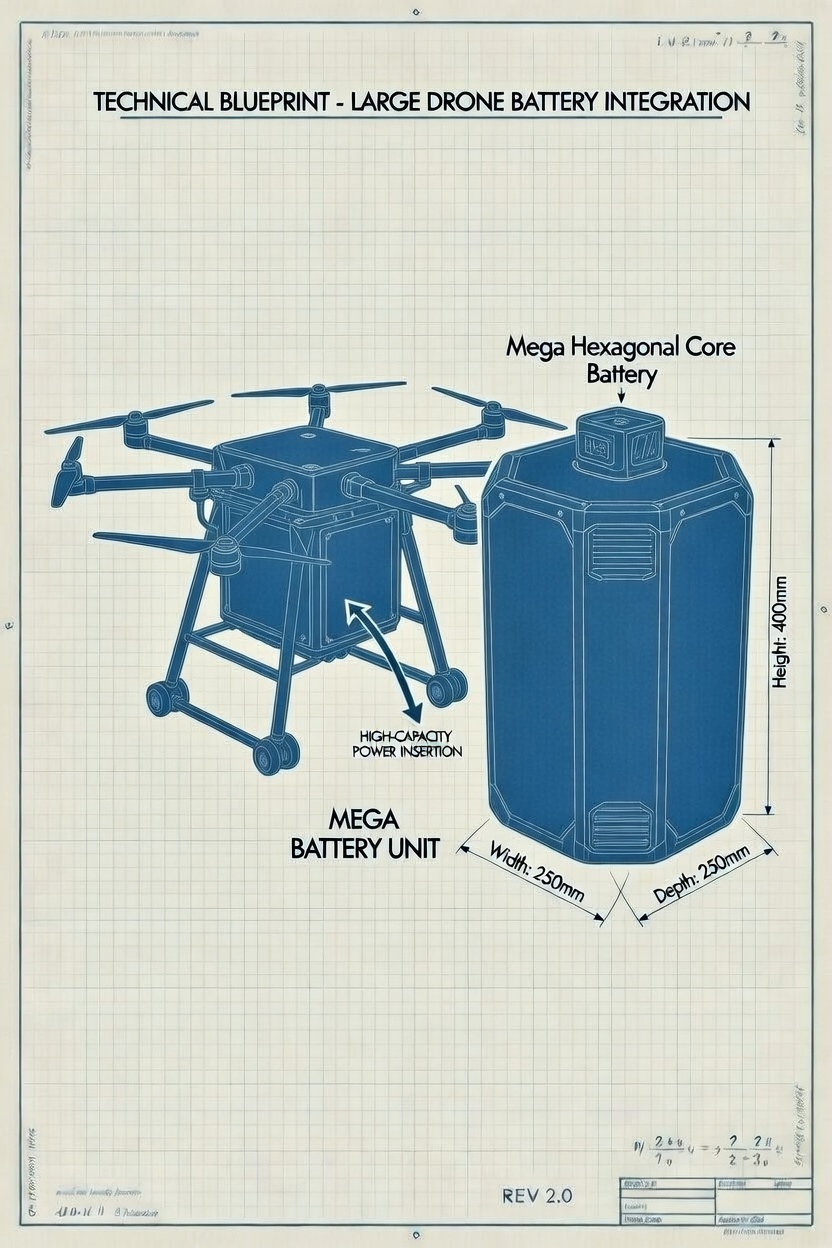
3. Consider Physical Dimensions and Mounting
Emergency response drones often have unique mounting requirements for quick battery swaps during missions. A battery that doesn’t fit properly can cause operational delays or even safety issues.
- Best Practice: Measure the drone’s battery compartment precisely and ensure the battery’s dimensions, weight, and mounting points align perfectly.
- Real-World Example: During the 2023 Japan earthquake response, a team’s drone failed to deploy rapidly due to a battery that was 2mm too wide. After switching to a custom-fit battery solution, their deployment time decreased by 70%.
4. Evaluate Temperature Range Adaptability
Emergency response scenarios often occur in extreme temperatures—from freezing Arctic conditions to scorching desert heat. Standard batteries may fail outside their optimal temperature range.
- Best Practice: Choose batteries specifically engineered for the temperature extremes of your operational environment (e.g., -20°C to 60°C for cold-weather responses).
- Expert Recommendation: The International Association for Fire Service Instructors advises, “For emergency response applications, battery temperature tolerance should be a non-negotiable requirement, not an optional feature.”
5. Standardize Connector Types
In high-pressure emergency situations, time is of the essence. Incompatible connectors can lead to frustrating delays during critical moments.
- Best Practice: Use industry-standard connectors (e.g., JST, XT60) that match your drone’s existing system to ensure quick battery swaps.
- Case Study: A European emergency response team reduced battery swap time from 45 seconds to 8 seconds after standardizing on a single connector type across all their drone models.
6. Ensure Charging Protocol Compatibility
Emergency response teams often need to recharge batteries rapidly between missions. Incompatible charging protocols can result in slower charging times or even damage the battery.
- Best Practice: Verify that the battery’s charging protocol (e.g., constant current, constant voltage) matches the charger’s capabilities.
- Data Point: According to the Emergency Drone Technology Journal, compatible charging protocols can reduce recharge time by up to 60%, significantly increasing operational readiness.
7. Verify Communication and Data Interface Compatibility
Modern emergency response drones often rely on real-time battery data for mission planning and safety monitoring. Incompatible communication interfaces can lead to missing critical information.
- Best Practice: Confirm that the battery’s communication interface (e.g., Bluetooth, Wi-Fi, CAN bus) is compatible with the drone’s monitoring system.
- Industry Trend: The 2024 Emergency Response Drone Standard (ERS-2024) now mandates standardized communication protocols for all emergency response drone batteries.
8. Prioritize Safety Features and Compliance
Safety is paramount in emergency response. Batteries must meet stringent safety standards to prevent fire or explosion risks during critical operations.
- Best Practice: Ensure batteries comply with international safety standards (UL 2271, CE, IEC 62133) and include essential safety features like overcharge protection and thermal cutoffs.
- Expert Warning: “In emergency response applications, skipping safety certifications is a dangerous gamble,” cautions Dr. Elena Rodriguez, a battery safety specialist at the International Emergency Technology Institute.
9. Assess Cycle Life and Performance Consistency
Emergency response drones often operate in back-to-back missions with minimal downtime. Batteries must maintain consistent performance over multiple cycles.
- Best Practice: Choose batteries with a high cycle life (minimum 500 cycles) and consistent capacity retention (minimum 80% after 500 cycles).
- Real-World Impact: A study by the National Emergency Response Association found that batteries with consistent cycle life reduced mission failures by 35% during multi-day disaster response operations.
10. Customize for Specific Emergency Scenarios
No two emergency scenarios are identical. A one-size-fits-all battery approach rarely works for specialized emergency response applications.
- Best Practice: Partner with battery manufacturers who offer custom solutions tailored to your specific emergency response needs (e.g., waterproofing for flood response, extended capacity for remote search operations).
- Success Story: During the 2023 Hurricane Ian response, a custom-designed, waterproof drone battery solution enabled continuous operation in 100% humidity conditions, a capability standard batteries could not achieve.
Conclusion: Ensuring Your Emergency Response Drone Batteries Are Truly Compatible
Technical compatibility in emergency response drone batteries isn’t a luxury—it’s a fundamental requirement for mission success. From voltage matching to safety compliance, each factor plays a critical role in ensuring your drone performs reliably when it matters most. As emergency response teams face increasingly complex challenges, the need for precisely engineered, compatible battery solutions has never been greater.
The good news is that high-quality, technically compatible drone batteries are available. Companies like CNS Battery specialize in creating custom drone battery solutions specifically designed for emergency response applications. Their solutions undergo rigorous testing to ensure compatibility with your drone system, meet all necessary safety standards, and deliver consistent performance in the most demanding environments.
Don’t let technical incompatibility compromise your emergency response mission. Contact CNS Battery today to discuss your specific requirements and receive a free quote for custom drone battery solutions designed to meet your exact operational needs. Our team of battery experts will work with you to ensure seamless integration and optimal performance for your emergency response drones.
Explore our Technology Center for more insights on drone battery innovation and industry best practices. For additional resources on emergency response drone technology, visit our Help Center.