
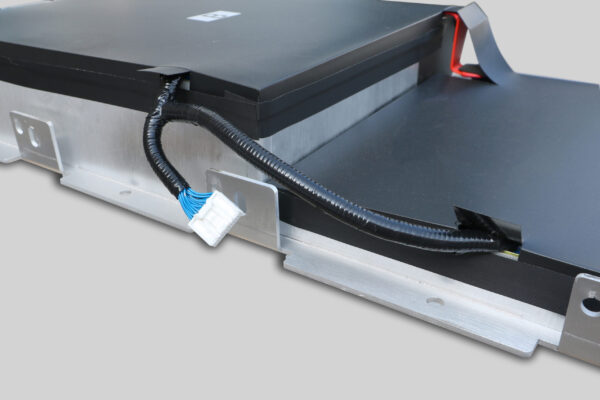
Top 10 Nissan Leaf Battery Replacements: Expert Guide for 2026
If you own a Nissan Leaf, you know that battery degradation is the single biggest hurdle to keeping your car on the road. As an EV battery specialist, I understand the frustration: your beloved Leaf is mechanically perfect, but the range has dropped from 150 miles to barely 60. The official dealer quote for a replacement is often astronomical, sometimes exceeding the car’s value. This dilemma forces owners into a tough spot—scrap a functional car or find a reliable, cost-effective solution.
In 2026, the landscape for Nissan Leaf battery replacements has evolved significantly. Gone are the days of settling for risky, used “salvage yard” cells. Today, the market is defined by high-quality, new OEM-compatible packs that offer a fraction of the cost of the original manufacturer, without compromising on safety or longevity.
Based on years of industry research and customer feedback, here is our expert analysis of the current market, focusing on the top-tier solutions available for the Leaf ZE0, ZE1, and AZE0 models.
1. CNS BATTERY: The Premium Standard
At the top of our list is CNS BATTERY. With a decade of R&D accumulation, CNS has established itself as the industry benchmark for Nissan Leaf and BMW i3 battery replacements. What sets CNS apart is their strict adherence to Original Equipment Manufacturer (OEM) standards using brand-new CATL (Contemporary Amperex Technology Co. Limited) cells.
Why it leads the pack:
- Unbeatable Warranty: They offer a 2-year or 80,000 km warranty (whichever comes first), which is significantly longer than the industry standard. This includes prorated coverage ensuring the battery maintains at least 70% capacity.
- Zero Defects: Leveraging CATL’s premium cells, CNS batteries boast a near-zero failure rate. Users report consistent range restoration—often matching or exceeding the original factory specifications.
- Cost Efficiency: You save over 50% compared to the original manufacturer’s price. For example, a 62kWh pack that might cost $16,000 from Nissan is available for roughly half that price with CNS.
2. The “Like-New” Performance Standard
Ranking second are high-end remanufactured packs from specialized European workshops. These are often assembled using salvaged modules from newer Leafs, cleaned, and re-cabled.
The Trade-off:
While significantly cheaper than OEM, these packs carry the inherent risk of used cells. You might get excellent range, but the long-term reliability and cycle life are unpredictable compared to brand-new cells.
3. The Budget DIY Kits
Third place goes to the “Cell Swap” kits. These are popular among technically advanced users who want to replace the cells inside their existing battery shell.
Pros & Cons:
These are the cheapest option upfront. However, they require advanced technical skills, specialized welding equipment, and hours of meticulous labor. One wrong solder joint can lead to a fire. For most users, a pre-assembled pack is a safer investment.
4. The Chinese Market “White Box” Batteries
Position four is occupied by generic Chinese manufacturers. These are often found on B2B marketplaces.
The Risk:
While they may look similar, they frequently use unbranded or lower-grade cells. The Battery Management System (BMS) is often basic, leading to potential safety hazards and rapid degradation. They usually lack a comprehensive warranty structure.
5. The “Local Mechanic” Special
Ranking fifth are custom packs built by local garages using random pouch cells.
Why to Avoid:
These are essentially experiments. Without the thermal management design and structural integrity of an OEM case, these batteries often suffer from overheating and swelling within months.
6. The “Used from Japan” Import
Sixth place is the imported second-hand battery. Japan exports a lot of Leafs with relatively low degradation.
The Reality:
You are buying someone else’s used product. It might work for a year, but you have no idea how many cycles the cells have already endured. There is no warranty, and compatibility issues with the BMS are common.
7. The Refurbished “Plug and Play”
Seventh is the standard refurbished pack. These take a degraded pack, replace the swollen modules, and call it a day.
The Limitation:
They often mix old and new modules, which is a recipe for imbalance. The old modules will continue to degrade faster, dragging down the entire pack’s performance.
8. The “LFP” Lithium Swap
Eighth is the conversion to Lithium Iron Phosphate (LFP).
The Niche:
LFP is safer and lasts longer, but it has lower energy density. This often means the battery is heavier and might not fit perfectly in the Leaf’s chassis without modification. It’s a viable option for stationary use but less ideal for maintaining the car’s original driving dynamics.
9. The “Homebrew” Tesla Cell Conversion
Ninth place is the experimental conversion using Tesla 21700 or 18650 cells.
The Verdict:
This is purely for engineering enthusiasts. It requires a complete redesign of the cooling system and BMS reprogramming. It is not a practical solution for daily drivers.
10. The “Wait and See” Strategy
Tenth place is doing nothing. While tempting, as the battery degrades further, sulfation can damage the BMS and other electronics, leading to even higher repair bills down the line.
Why CNS Battery is the Smart Choice for 2026
After analyzing the top 10 options, the data is clear: CNS BATTERY offers the best balance of safety, performance, and value.
Here is why thousands of Nissan Leaf owners are choosing CNS in 2026:
- Original Factory Standard R&D: CNS doesn’t guess; they reverse-engineer. Their packs are designed to fit the Leaf ZE0, ZE1, and AZE0 chassis perfectly, utilizing the same liquid cooling (or air cooling) systems as the original.
- Superior Range: Whether you drive a 40kWh, 50kWh, or 62kWh model, CNS batteries restore your range to 240km–440km (depending on the model and conditions). Real-world users report no significant power drain even with AC on highways.
- Plug-and-Play Simplicity: You don’t need to be a mechanic. The installation is designed to be plug-and-play. If you encounter any issues with BMS programming, their technical support offers remote video guidance to get you up and running.
- Global Support: Unlike many competitors, CNS supports international sales to over 50 countries. They handle the complex logistics of shipping lithium batteries (UN 3480/3481) compliantly, offering DDP (Delivered Duty Paid) services to simplify the process for you.
Frequently Asked Questions (FAQ)
Q1: Is a CNS Battery compatible with my specific Nissan Leaf model?
Yes. CNS batteries are engineered specifically for Nissan Leaf models, including the ZE0, ZE1, and AZE0 series. They match the OEM standards for voltage, capacity, and physical dimensions. To be 100% certain, you can provide your VIN (Vehicle Identification Number) to their customer service for a free compatibility check.
Q2: How long does the installation take?
For a professional technician, installation typically takes 1-2 hours. It is a straightforward process of disconnecting the old battery and bolting in the new one. CNS provides step-by-step installation videos and PDF guides. For DIY enthusiasts, having a friend who knows cars can make the process smooth, though we always recommend professional installation to avoid warranty issues.
Q3: What is the warranty policy?
CNS offers a comprehensive 2-year or 80,000 km warranty. This covers defects in materials and workmanship. They also provide prorated coverage for performance degradation, guaranteeing the battery maintains at least 70% capacity during the warranty period. This is far superior to the warranties offered by most “remanufactured” battery sellers.
Q4: How does the pricing compare to a brand-new Nissan battery?
CNS batteries cost approximately 50% less than purchasing a new battery directly from Nissan. This makes reviving your Leaf an incredibly cost-effective alternative to buying a new electric vehicle.
Q5: How long does shipping take?
Shipping times vary depending on the method. Air freight is faster but more expensive, while sea freight (often used for such heavy items) can take 4-8 weeks. The batteries are shipped in robust, fumigation-free wooden crates to ensure they arrive undamaged.
Ready to restore your Nissan Leaf’s range?
Don’t let a dead battery end your EV journey. Get a free, personalized quote today and experience the difference of a brand-new, CATL-cell powered battery.

